
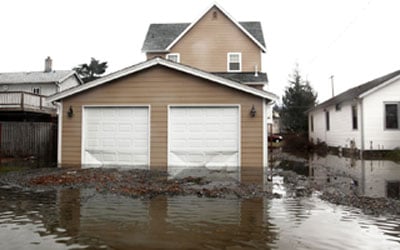
Spring in Southern California doesn’t always bring heavy storms, but when the rain does come, it comes fast. One of the first places we see the impact is in the yard. Soil gets soggy, water pools, and grass can stay soaked even after the skies clear up. While a wet lawn might seem like nothing more than a minor annoyance, it can quickly turn into more.
When water collects near a home’s foundation, it rarely stays put. It starts to creep into parts of the house, especially basements and crawl spaces. That’s when a yard issue becomes an indoor one. We’ve worked with many homeowners who had no idea their yard was the starting point of bigger indoor moisture problems. In these cases, flood damage restoration services can help stop that water from causing long-term harm.
Common Signs Your Yard Is Too Saturated
Sometimes it’s obvious. Other times, the signs of a waterlogged yard are easy to miss until the damage spreads. Watch for these symptoms:
- Puddles that sit for a few days without drying
- Muddy or sponge-like soil underfoot, even with no recent rain
- Musty or moldy smells coming from outdoor areas close to the home
- Water creeping into low parts of the house, like basement walls or crawl spaces
When the ground stays too wet for too long, it stops absorbing water properly. That means any new rain has nowhere to go, so it heads toward whatever is nearby. For many homes, that ends up being the foundation or the lower walls. What looks like bad drainage can start to crack concrete, rot wood, and create hidden water collections just inches away from the house. Sometimes, you might notice areas of your yard that never seem to dry out, even days after the rain has stopped, making grass soggy and sometimes a little smelly. This ongoing dampness lets you know that water is pooling where it shouldn’t be.
Another thing to watch for is grass or plants starting to die near your home’s foundation. Saturated soil can suffocate roots, leading to brown patches or odd changes in plant health right next to the house. These may be warning signs that water is dipping beneath the surface and finding its way to spots where it does not belong. Paying attention to landscaping changes can give you a clue about what is happening underground and save you trouble down the line.
How Yard Water Affects the Inside of Your Home
It’s tempting to think of yard flooding as a landscaping problem, but it often becomes a structural one. Oversaturated soil pushes against whatever is next to it, including the walls of nearby buildings. When soil holds water, it can leak moisture into basements, through window wells, or beneath flooring.
You might not connect the two right away. Many indoor warning signs actually start with outdoor issues, especially with ground-level water collecting outside exterior walls. Watch out for:
- Peeling or bubbling paint near the floor
- Soft spots or warping in hardwood or laminate floors
- A moldy or sour smell that doesn’t go away with cleaning
- Spots of moisture on indoor walls that aren’t close to plumbing
The longer soil stays wet around the home, the more pressure it puts on cracks or small openings. Even if the inside seems dry, there could be moisture building up behind insulation or between floor layers. Once that happens, indoor repairs often become more complex than they look on the surface. Sometimes, you might only notice a small patch of damp carpet or a strange spot in the corner of your basement, but even these little signs can hint at bigger issues hidden within your walls or floor.
It’s also common for windows in lower levels to develop condensation, especially if the area outside is soaked. If you find this moisture appears even when it’s not raining, it could be yard water creeping in. These are signs you shouldn’t overlook, since excess humidity or water inside can quickly lead to mold and other problems for your home’s air.
What Happens During Professional Water Cleanup
When we respond to cases like these, we look beyond the obvious. Surface fixes don’t go far enough because flood water often moves in multiple directions. That’s where flood damage restoration services come in, they clear out moisture both inside and outside to keep the structure from suffering more damage over time.
Here’s what usually happens during cleanup:
- We start with moisture checks to find where the water reached, even under floors or behind walls
- Air movers help dry out damp tight spaces that fans can’t reach
- Dehumidifiers pull moisture out of the air and help prevent mold
- Damaged materials like soaked insulation or warped baseboards get removed for safety
- Once everything is dry, the space is cleaned and prepped for repair
Timing matters. Drying too slowly can lead to deeper structural damage, especially if materials stay damp for days or more. By drying thoroughly and checking for hidden issues, we help protect the home from continuing problems like poor air quality or microbial growth. During this process, every area is checked to make sure there are no sneaky places for water to hide, even under large furniture or inside small storage spaces. Special equipment is used to make sure even slow leaks or humidity pockets are dried out completely, so you don’t have lingering musty smells or future mold spots.
Once the main areas are dry, sometimes extra steps are needed. If water has been sitting for a while, there may be a need for deeper cleaning or disinfecting to make sure nothing is left behind that could hurt your home’s air quality. After the wet problem is gone, repairs can start, so your house feels totally safe and back to normal.
Preventing Future Water Trouble Around the Yard
Spring isn’t always stormy in Los Angeles or Orange County, but it only takes a few strong rain days to overwhelm old drainage systems. That’s why it helps to plan around water flow long before water becomes a threat.
- Keep gutters and downspouts cleared of leaves and debris
- Make sure water from downspouts drains several feet from your home’s walls
- Trim plants, aerate soil, and check slope grading to keep water moving away from the house
- If your home has a yard drain or French drain, test it before the rainy months
Other helpful habits include checking for dips or low spots close to your foundation, since water will naturally look for the easiest place to sit. If you regularly see puddles forming right where your walkway meets the yard or along the side of your house, try to note how quickly they disappear after a rain. This will help you spot trouble early on. If your property has any retaining walls, make sure drainage holes aren’t clogged so water is not trapped on one side.
Keeping an eye on outside water flow can make a big difference. If something isn’t draining well now, it’s more likely to cause problems later. Regular checks during rainy weeks can catch pooling or runoff patterns early while the lawn is still manageable. If you know your home has had water troubles in the past, write down when and where you see puddles, even if they don’t seem serious. This can help you, or a pro, spot repeating issues before they become worse.
A Safer, Drier Yard Means a Healthier Home
Oversaturated yards don’t just stay outside. In many cases, they’re the quiet start to large indoor problems. Carpet that smells, floors that soften, or drywall that bubbles might seem like indoor issues, but the real cause may be just a few feet away in the yard.
Finding and stopping those water sources early makes the cleanup easier and keeps things from getting worse. Whether it’s better yard drainage or moisture checks indoors, staying one step ahead of spring rain helps the house stay strong and safe. When we keep water out, everything inside works better and feels more solid, no matter how stormy the spring gets.
Spring rain can lead to soggy yards and unwanted moisture inside your home, often causing early warning signs like warped floors or musty odors. These issues typically start when water pools too close to your house. We’ve supported homeowners throughout Los Angeles County and nearby areas by addressing these concerns before they become serious structural problems. To see how we can help fix and prevent moisture damage, see our flood damage restoration services. Contact Restoration Masters if you notice signs of water where it shouldn’t be.