
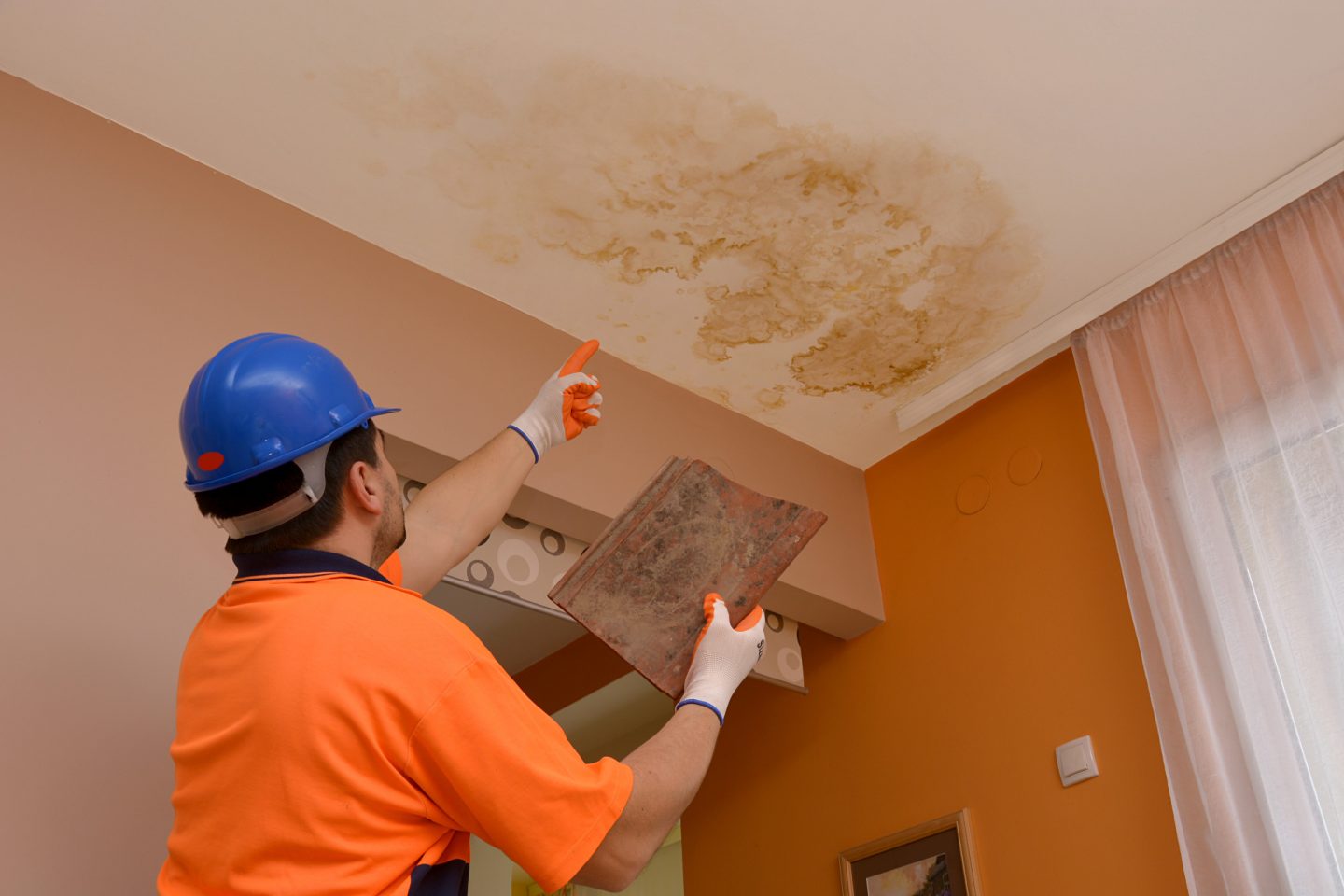
Spring weather in Long Beach can bring more than just cool breezes and occasional sunshine. It often comes with surprise rainstorms and changing temperatures that catch many homeowners off guard. In a season like this, roof leaks or broken pipes from years of wear are more common than people expect. The same goes for kitchen mishaps that spark small fires or wiring issues in older homes that haven’t been checked in a while.
When things get wet or burned, it can feel overwhelming. But knowing what to expect can give families a bit more confidence when something goes wrong. Water and fire restoration in Long Beach helps bring homes back to a livable, safe space after a problem. Whether it’s a soaked carpet caused by a dripping ceiling or smoke damage from a forgotten pan, being prepared helps keep the damage from spreading.
Common Causes of Water and Fire Damage in Long Beach Homes
Many of the problems we see start small and grow quickly. Pipes that have been slowly leaking behind the wall might finally burst during a stretch of heavy rain. Soil shifts from wet ground can push water into basements or crawl spaces. And clogged gutters from last year’s leaves can lead to water backing up under roof tiles.
Fire risk is just as common, and often starts with everyday habits. A pan left on the stove too long, a space heater placed too close to curtains, or even old plugs in worn-out outlets, these are the kinds of things that lead to smoke-filled rooms or scorched walls. Sometimes it’s not one thing but a mix of many factors that lead to actual damage.
- Leaks from older pipes, loose washers, or broken faucets
- Gutters blocked by debris and not draining properly
- Rain blowing in through older window frames
- Cooking fires started by oil splatter or overheating
- Electrical shorts in outlets or behind appliances
During spring, Long Beach weather often flip-flops between cool mornings and warmer afternoons, with bursts of wind and short but strong rains. That mix can affect weak points in roofs or foundations that haven’t had attention in a while.
What Happens During Water Damage Cleanup
The first step to handling water damage is stopping the source. Whether it’s shutting off a valve or patching a roof, we work quickly to keep the problem from spreading. Then comes the removal of any standing water, especially if it’s reached floors, carpet, or hidden corners like cabinets and closets.
Once the water is gone, the slower part begins, drying things out. Some materials soak up water slowly and hold onto it, making it harder to dry. If drywall, wood, or insulation stays too wet for too long, it can start to smell or weaken. Worse, mold might grow behind walls or under baseboards where we can’t see it right away.
- Shut off water or stop the leak
- Use fans and drying tools to move air through the space
- Check under floors and behind walls for moisture
- Remove parts of walls or flooring if they can’t be dried safely
Acting soon after water damage happens gives us the best chance to repair the space without needing to tear much out. Waiting or guessing only makes cleanup more difficult later on.
What Happens During Fire and Smoke Cleanup
Even small fires can leave behind a lasting smell or stains. Once the visible flames are gone, what’s left in the air, on the walls, and inside nearby cabinets keeps reminding homeowners of what just happened. Soot is sticky and fine, and it settles into every nearby surface, including ones you think were untouched.
Once we check for any remaining fire risk, we focus on removing soot and cleaning air passages. If smoke has traveled through the house, it may have made its way into vents, behind doors, or into fabric furniture. That lingering smell isn’t just in the air, it’s trapped in fibers and hard surfaces, too.
- Identify hidden spots where soot may go, like vents or outlets
- Carefully clean hard surfaces so residue doesn’t spread
- Use tools to remove smoky smells from air and soft furniture
- Check for damage behind walls and ceilings, especially near where the fire started
Sometimes, what didn’t burn still needs attention. Items close to the heat may be warped, melted, or coated in smoke. Soft items like rugs or bedding are often hard to save once they absorb smoke and are better replaced than reused.
How Both Types of Damage Affect the Same Area
It’s not unusual for fire and water damage to happen at the same time, especially if the fire triggered a sprinkler system or firefighters used water to stop the flames. That mix of burnt surfaces and soaked materials can create a tricky cleanup.
Kitchens are the most common place where these overlap. A pan fire might scorch cabinets, and the water used to stop it can soak into drawers, walls, and flooring in seconds. That combination creates perfect conditions for mold, smells, and warping if not handled quickly.
- Both smoke and water can seep behind surfaces, out of sight
- Drying is harder when fire-damaged materials are fragile or burnt
- The space may need repair from above (smoke) and below (water)
Leaving those damaged areas uncleaned lets smell, moisture, and weakness settle deeper into the home, which might bring bigger problems weeks later.
Why Seasonal Preparation Helps in Spring
Spring’s weather doesn’t always feel the same from morning to afternoon. That makes it a smart time to double-check parts of the home that are most affected by temperature swings or sudden storms.
It helps to look at roof edges, gutters, and drainage routes around the outside. When clear, they push water away. When blocked, they push water into places it doesn’t belong.
For fire safety, now is the time to make sure power cords aren’t wearing thin, outlets aren’t sparking, and smoke detectors still beep when tested. Spring is the start of new growth and warmer days, but it’s also the time when homes face a mix of indoor and outdoor risks.
- Clean out gutters and watch for puddles that don’t drain
- Look around the attic for signs of leaks from last season
- Test batteries in smoke and carbon detectors
- Keep space heaters stored and unplugged once weather warms up
Homes in Long Beach, especially older ones, can shift and settle during changes in humidity or heat. That makes this season a great time for walkthroughs before summer arrives.
Bringing Your Space Back to Life After Damage
Going through water or fire damage is never easy, especially when it affects rooms we use daily. The cleanup process may take time, but it’s worth it to fix problems the right way before they grow worse. Whether the damage came from above (a leaking roof) or below (a burst pipe), starting where the issue began helps keep repairs organized.
With a clear plan and a bit of patience, most homes can return to feeling like home again. Knowing what goes into water and fire cleanup lets homeowners feel more prepared, not just for fixing what was broken, but for keeping the damage from repeating down the line.
Understanding how cleanup works after a storm or small fire in your Long Beach home can make recovery smoother, especially when both water and fire damage are involved. We’ve seen how quickly issues can escalate if damp walls or smoke odors are left unchecked. For clear guidance on what to expect, see how we handle water and fire restoration in Long Beach. Reach out to Restoration Masters with your questions or to schedule help.