
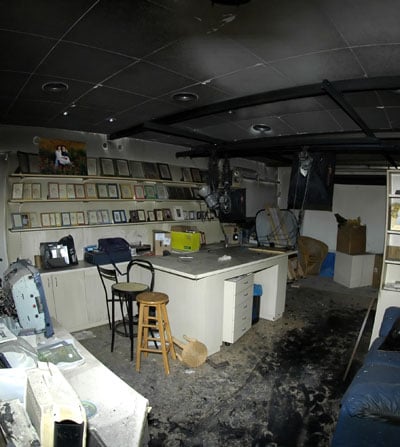
When a fire happens, the flames may be the most noticeable part, but the smoke that follows can cause just as much damage. Smoke travels through every open space, settling into fabrics, vents, and even behind walls. Long after the fire is out, the smell and staining stay behind.
Each room in a home takes on smoke in its own way. Different materials, room shapes, and airflows all affect how badly a space is damaged. That’s why smoke damage restoration is rarely a one-size-fits-all fix. Knowing what happens from room to room can help reset a home safely and thoroughly after a fire.
What Smoke Does Inside Each Room
Once smoke starts to move, it doesn’t stay in just one area. It rides warm air currents, squeezing through gaps in doors, sliding under vents, and filling open spaces. Smoke settles more in some areas depending on how the air moves and what kinds of surfaces are nearby.
- Bedrooms with soft bedding and closed doors might trap smoke deeper than you’d expect.
- Kitchens pull smoke upward, especially near warm appliances and fans. The same goes for bathrooms where steam collects.
- Living rooms often have a mix of hard and soft surfaces, which means the smoke clings in several ways at once.
- Airflow patterns in the house push smoke from high to low and from warm areas to cooler ones, coating materials unevenly.
- Wall material, flooring, and even clutter levels can affect where and how smoke builds up. This is why some rooms may look fine at a glance but smell strongly or develop sticky residue weeks later.
Each part of the house picks up its own smoke signature, and cleaning them all the same way can miss key problems.
Cleaning Up Bedrooms and Living Rooms
In bedrooms and living spaces, soft materials take the biggest hit. Smoke odor seeps into fabric quickly and holds onto it tightly.
- Curtains, blankets, pillows, and carpets often hold onto that strong smoky smell the longest. Simply airing them out rarely works.
- Upholstered furniture like couches and padded chairs, especially those rarely moved, trap smoke in deep layers of foam.
- Walls and ceilings can get covered in thin soot, a gray or black film that sticks above doorways and near vents.
- Carpets, especially older ones, may need full cleaning or even removal if they continue to smell after regular cleaning methods.
Living areas might not look as damaged right away compared to spots close to the fire, but the smell and lingering particles are just as stubborn.
Kitchen and Bathroom Restoration Challenges
Kitchens and bathrooms present their own tricky cleanups. These rooms already collect heat and moisture, so when smoke enters, it tends to linger.
- Cabinets (especially wooden ones) hold onto odor and may become sticky where soot settled.
- Vents and fans clog with particles that don’t come out easily, spreading the smell each time they run.
- Appliances, metal, plastic, and glass may look fine but can carry an oily residue from smoke, which causes smells to stick and discoloration to set in over time.
- Soot combined with steam creates a sticky layer that resists typical cleaners, especially in bathrooms around mirrors, light fixtures, or tile seams.
Because we use these rooms every day, it’s easy to notice small smells or residue left behind, which makes full cleaning all the more important in these spaces.
What to Expect in Garage or Utility Spaces
Garages, laundry rooms, and utility areas may not seem like a big concern at first, but they’re often where heavy smoke odor gets trapped the deepest.
- These rooms may have open framing, exposed insulation, or unfinished drywall, all of which absorb smoke quickly and are harder to clean.
- Stored items like cardboard boxes, gym equipment, or old clothes soak in smoke and may carry the smell long after the fire is out.
- Oil, fuel, or other materials stored in these areas can mix with smoke, creating stronger odors or residue that won’t wipe away easily.
- Lacking insulation or finished ceilings may allow smoke to reach through beams and rafters, pulling the smell into the structure itself.
Even if the fire didn’t reach these rooms directly, smoke often does, making basements, garages, and laundry rooms places that need just as much attention.
Treating Walls, Ceilings, and Air Ducts Throughout the House
No matter which room you’re in, some areas of the house take ongoing wear from smoke that you may not notice at first.
- Drywall and painted walls change slowly after exposure, often showing faint yellowing or shadows days or weeks later.
- Ceilings collect a thin layer of soot that isn’t always visible unless the light hits it just right.
- Air ducts and filters spread residue across the entire home, carrying the smell from one room to the next.
- HVAC systems pull in smoky air and circulate it, which means filters can become clogged, and the scent can keep returning long after the fire is over.
A clean surface looks simple again, but the materials underneath could still hold particles if deeper cleaning methods aren’t used. That’s why air systems are just as important as walls and fabrics.
Expert Restoration Makes the Difference
Restoration Masters provides smoke and odor removal using advanced cleaning, filtration, and deodorizing equipment. Our IICRC-certified team is prepared for emergencies with 24/7 response and understands how to address trapped smoke in walls, insulation, and personal belongings. We serve homeowners and property managers throughout Los Angeles, Orange County, Riverside County, and Ventura, tailoring every smoke damage restoration process to the unique needs of each building.
Clear the Air and Start Fresh
Smoke moves quickly and quietly, slipping into every part of a home, even areas that look untouched. What seems like a minor issue in one room can turn into a bigger problem if certain signs are missed. Smell, soot, and discoloration are all clues, but they don’t always show up right away.
Being aware of what each room collects, and how it holds that damage, can make the restoration smoother and more complete. Whether it’s a spare bedroom or a busy living room, knowing what to expect can help bring back the fresh air and comfort every home needs to feel livable again.
Every home and situation is different, which is why the right approach depends so much on what the smoke touched and how the house is built. We’ve worked across homes in Los Angeles, Orange County, Riverside County, and Ventura long enough to see how hidden damage can linger. After a fire, it helps to know what to expect from proper smoke damage restoration before smells and stains settle in deeper. We’re here to help figure out what your space needs. Contact Restoration Masters to talk about your next steps.