
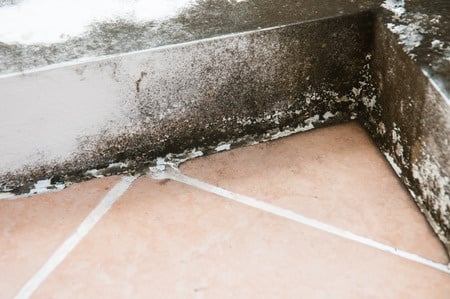
When winter settles in across Orange County, it often brings a few days of steady rain and higher moisture levels. Even though it’s not as wet as other parts of the country, those small changes are enough to cause trouble inside some homes. One thing that often surprises people is how mold can show up in places that look clean and dry on the outside.
Mold doesn’t always grow in the open. It often hides in quiet corners, behind walls, or under flooring. That’s why more homeowners are surprised during mold inspections in Orange County. Just because you don’t see a problem doesn’t mean it’s not there. We often find hidden mold in areas where water has slipped in slowly without anyone noticing.
Where Hidden Mold Likes to Grow
When we think about mold, most of us picture black spots along the ceiling or around the tub. But mold is sneaky. It shows up in places we don’t often check.
- Behind drywall or wall panels, especially where leaks or water damage happened before
- Under floor tiles in the bathroom or kitchen, where spills or steam collect over time
- Inside cabinets, under kitchen or bathroom sinks, and in laundry rooms with lingering dampness
- Around door frames, window sills, and sliding glass doors that collect condensation from rain
These spots stay warm and still, which makes them easy hangouts for mold. You may not notice anything at first, but after a while, you might pick up a strange smell or see a stain begin to grow. By then, the mold has already settled in behind the surface.
In some cases, you might even notice your allergies acting up or feel like the air in your home feels thick or musty. These can be small clues that mold is growing where you can’t see it. Mold can grow on cardboard boxes stored in garages or behind furniture that doesn’t get moved very often, too. When checking for hidden growth, consider corners of closets, cold storage areas, and even under area rugs if the space has been damp after the rain.
What Leads to Hidden Mold in Winter
Winter might not hit Orange County hard, but it still brings enough dampness to let mold form in the right conditions. The way homes are built and how we heat them in cooler months can accidentally trap moisture.
- When we close up our windows to hold in warmth, the indoor air doesn’t circulate as much
- If rainwater finds its way through a roof or cracked pipe, it can soak into the inside of a wall
- Attics and closets without vents hold pockets of still air, which lets humidity linger
These slow-build problems don’t always cause big damage right away. Even a small drip from a faucet under the sink can lead to mold if it’s left long enough. And since we’re indoors more during colder months, we might not spot the mold right away because it stays hidden behind surfaces we rarely move or check.
Sometimes, heaters and fireplaces dry out the main rooms while leaving corners or back rooms a little damper than expected. Wet shoes or clothes by the door after a rainy day can create puddles, and if they are not dried up quickly, that dampness can escape into the air and settle behind nearby furniture or entry mats. Added moisture from steamy showers or boiling pots in the kitchen, with windows closed, can linger longer as well. Many people do not realize how easily extra moisture can travel into hidden spaces over winter.
How Inspections Spot Mold You Can’t See
Even when a home looks dry and clean from the outside, inspections help us find what the eye can’t catch. Mold has ways of staying out of sight, but with the right tools and knowledge, we can find its hiding spots early.
- Moisture meters help us identify walls or floors that seem dry but are holding dampness inside
- Thermal cameras show changes in temperature, which often point to wet areas behind materials
- We pay attention to smells too, musty scents often lead us directly to hidden colonies of mold
Experience plays a big part in knowing where to look. Mold likes predictable places, and winter conditions give it a head start. Places that seem quiet or unused, like back bedrooms or garage corners, are often the first spots we check. Even newer homes aren’t fully safe if there’s been a leak or water damage in the past year.
When an inspection is done, the person doing it moves through the home carefully, looking for signs that may not be obvious. This could mean testing the humidity of certain rooms, checking behind furniture for moisture, or even gently removing outlet covers to peek inside wall cavities if a problem is suspected. No spot is too small to check, especially during or after wet winter weeks. The inspection may also involve asking about any new smells or changes since the rainy season began, since these clues help narrow down where mold might be waiting.
What Happens After Hidden Mold is Found
Once we find mold, the biggest goal is stopping it from spreading. That starts with figuring out how much of the area is affected and how deep the issue goes.
- Some drywall or flooring may need to be removed if it soaked up too much moisture
- Dehumidifiers help remove the damp air that feeds mold
- Air filters and dryers help clear up nearby areas and prevent mold spores from floating into other rooms
We always try to move quickly once mold shows up. Waiting longer only gives it more time to grow. Even when the damage looks minor, we know from experience it can grow quietly behind the surface if all the moisture isn’t dealt with properly. Cleaning early saves space, materials, and stress.
After the first cleanup, the area might be sealed off for a little while to keep mold spores from spreading around the home as everything dries out completely. Professionals will use special coverings and safety equipment to make sure that dust and mold stay under control. Once the area is dry and any bad materials are taken out, things like walls or flooring are replaced and cleaned so the space feels fresh again. This helps keep your air cleaner and stops mold from getting another chance to move in.
Keeping Mold from Coming Back
Stopping the current problem is one part, but keeping mold away for good means changing how moisture enters and sits in the home.
- Fixing small leaks and sealing off any drafty window edges keeps moisture from creeping in again
- Good airflow makes a big difference, especially in rooms that stay shut or don’t have fans
- Doing quick checks after big rainstorms helps catch problems early
Mold doesn’t need flooding to grow. It just needs moisture and a quiet corner. Getting habits in place, like cracking doors open, using vents, or drying up sitting water, can help stop issues before they build up again. And after a wet winter, it’s always smart to check the usual spots before signs return.
Another good habit is to move furniture and storage boxes every once in a while, especially if they touch outside walls or are kept in darker spaces. Wiping up spills right away and letting in fresh air whenever you can helps keep these problem spots dry. If you ever smell musty air or notice wallpaper peeling, it’s worth checking right nearby, as that can be an early hint that moisture and mold are starting up again.
Clear Air and Fewer Surprises
Finding hidden mold early through mold inspections in Orange County helps homeowners catch small problems before they become something bigger. It’s not always about major leaks or huge repairs. Sometimes it’s a slow drip or forgotten spot that makes the difference.
A mild winter can still bring just enough rain and cool temps to stir up moisture around windows, inside walls, or under sinks. Staying ahead of mold gives you peace of mind, cleaner air, and fewer surprises as we head into spring.
Dealing with persistent musty odors or extra moisture in your home can be a sign of hidden mold. Even small leaks or humid corners may create the ideal environment for mold to grow out of sight. Our team at Restoration Masters knows exactly where to look and how to handle it safely before it spreads further. We offer expert help with mold inspections in Orange County and will guide you through every step of the process. Contact Restoration Masters today to get started.