
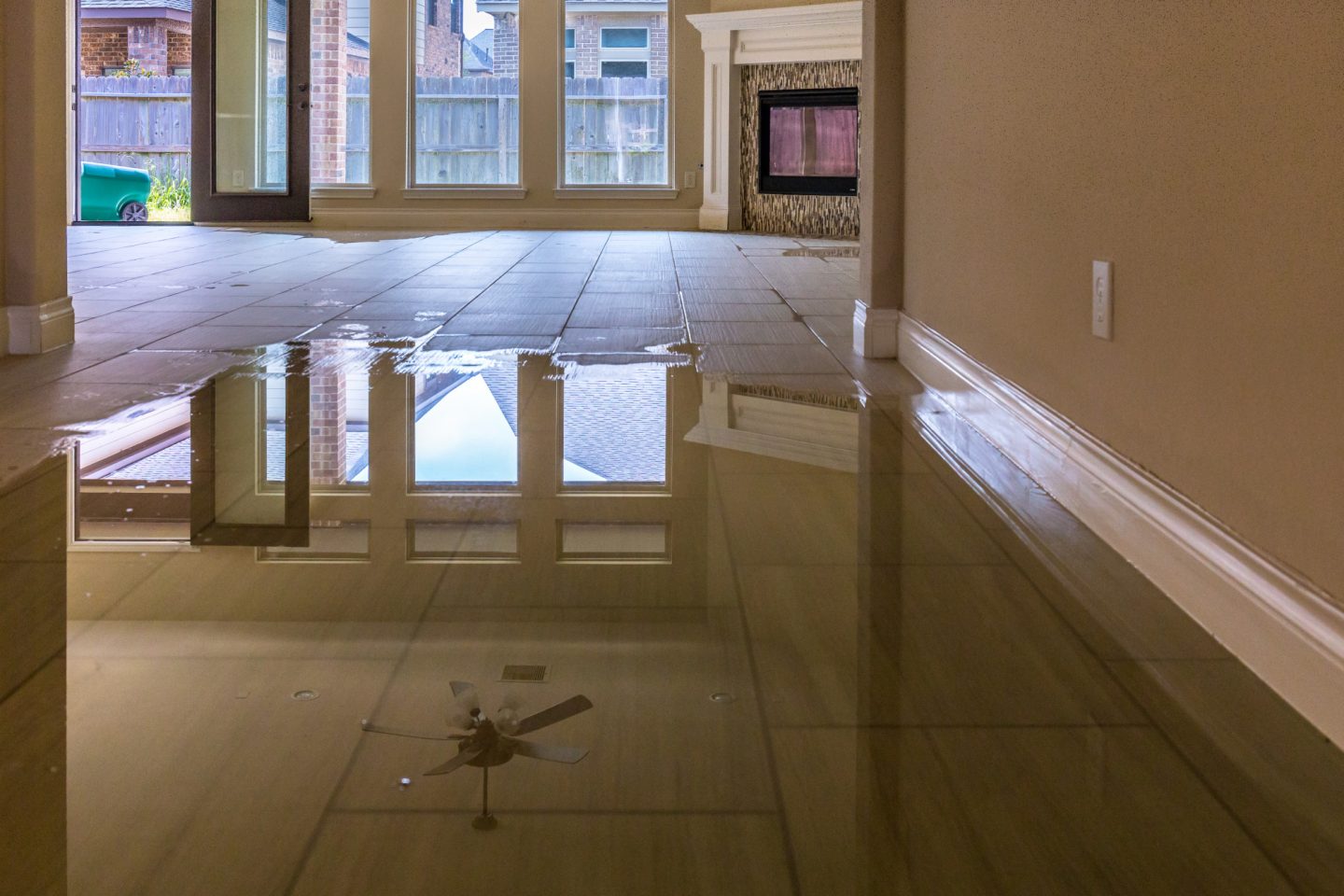
Even in a place like Orange County, where winters are typically mild, water damage can still catch us off guard. A handful of rainy days or a quick overnight storm is often all it takes to push older roofs and hidden pipe systems past their limit. Add in a clogged gutter or a bathroom left running too long, and suddenly, you’re dealing with water in places it doesn’t belong.
The tricky part is that water moves fast. It often ends up in spots we don’t see right away, under the floor, inside the walls, or soaking through insulation. Many homeowners don’t realize how fast water damage restoration in Orange County becomes necessary after roof leaks, pipe bursts, or even minor flooding. Knowing what to look for and how the process works can help protect your home before that damage becomes harder to handle.
Where Water Gets In and How It Spreads
During winter, we tend to see the same trouble spots in local homes. Once water finds a way in, it can travel farther than expected.
- Roof leaks are common during short but heavy storms, especially on homes with older or flatter roofs
- Clogged or broken gutters send water spilling down walls and straight into siding or foundations
- Aging pipes can crack under the pressure of cooler night temps or just years of wear
- Overflow from tubs, sinks, or toilets that aren’t watched closely can seep deep before anyone notices
Once water slips inside, it spreads quickly. It often travels behind drywall, beneath floors, and into the spaces where insulation or support beams sit. You might not see the full damage for days, especially if it stays tucked behind cabinets or under rugs. If action isn’t taken fast, that small puddle turns into deeper, hidden damage. Water is quick to find the easiest path, often soaking into materials before you even notice it’s there. Sometimes the only sign comes days later, when the damage has already started to spread and cause more problems.
What Happens to Your Home Materials
Different parts of a house react to water in different ways. Some materials absorb moisture in just an hour or two, which can cause long-term damage if it isn’t dried out right.
- Drywall weakens, crumbles, or grows soft in the middle of a wall
- Carpet and padding trap moisture beneath the surface, often hiding signs of water entirely
- Insulation behind the walls holds moisture and loses its ability to protect from the cold
- Wood flooring can warp or swell, and that can leave the boards uneven or cracked
One of the first things people notice is a smell. A musty odor that lingers even with the windows open is a strong clue water may be stuck somewhere inside. You might also see bubbling paint, soft patches in the walls, or edges of flooring starting to lift. Sometimes the damage starts small, but if things stay wet for too long, problems like mold or internal rot begin to appear. These gradual interior changes are easy to overlook at first, especially if the space is used less often. With certain materials, like dense insulation or thick carpet padding, the water can stay hidden for days while still doing damage.
Clearing Out the Moisture the Right Way
Getting rid of water isn’t just about grabbing some towels or setting up a few fans. It’s about finding where the moisture went and making sure it’s completely gone.
- Strong air movers push dry air into wet areas behind walls or under flooring
- Dehumidifiers pull moisture out of the air to speed up the drying process and stop mold from growing
- Meter checks tell us if materials still hold hidden moisture, even when the surface feels dry
Drying everything out the right way makes a big difference. Rainwater or flood water can carry bacteria, so surfaces have to be cleaned safely after drying. Soft materials that stayed wet too long might need to be thrown out to keep air quality safe. Faster response times mean less has to be removed and more can be saved. This careful approach is the reason why it’s important not just to dry the spots you can see, but to also check for risks and moisture that has traveled elsewhere in the house. Sometimes, a room looks dry, but hidden pockets of moisture are waiting where mold can grow.
Repairs and Clean Up After Drying
Once everything is fully dry and clean, the next step is fixing what’s been damaged. Some parts of the home hold up well through water, but others need replacing to stay safe.
- Wet drywall or ceilings are often cut out and swapped with fresh panels
- Flooring that buckled or warped might be taken out and replaced so it doesn’t trip or break
- Trim, baseboards, or cabinets that soaked up water may be removed and rebuilt
Repairs aren’t just for looks. When left missing or damaged, they can leave space for air leaks, moisture buildup, or pests to get in. Putting things back carefully helps the home stay steady, dry, and strong in the long term. It’s about more than patchwork, it’s about getting the structure back where it needs to be. Looking after these details is what keeps a house comfortable and sturdy, even after unexpected water trouble. Each finished repair helps keep problems from returning and helps your home look and feel the way it should.
Why Local Knowledge Helps in Orange County
We’ve seen how weather in Orange County can throw curveballs. Some parts of the region get quick bursts of strong rain, even when the rest of the month stays dry.
- Homes near the coast tend to hold more moisture in the air during winter months
- Certain neighborhoods with older plumbing are more likely to deal with pipe leaks after temperature changes
- Heavy rains can block storm drains, and that causes water to rise closer to doors, garages, or yard drains
Knowing how water moves in this area, and which homes are most likely to be at risk, helps everything move faster. The right people know where to check and how to spot the hidden signs that matter. That local understanding, especially during damp, cool winter conditions, helps catch mold before it spreads and keeps the damage from getting worse. This extra awareness of the area’s weather and construction styles can mean quicker solutions and better protection from future water problems.
Getting Your Home Back to Normal
When water damage is handled the right way, everything feels a lot better. The floors are solid again, the air smells fresh, and the space feels clean. That comfort comes from knowing the drying, cleaning, and repairs were done fully and not halfway.
Each winter might bring rain, even if not very often, and it doesn’t take much to cause trouble indoors. Watching for early clues, like peeling paint, soft flooring, or unexplained smells, can help stop bigger problems before they start. Being ready and staying alert makes all the difference in keeping a home safe and steady this season and the next.
Dealing with soggy floors or musty smells after a winter storm can be overwhelming, but our team at Restoration Masters is here to help you identify trouble spots and dry things out the right way. We understand how quickly water can spread through homes in Orange County after sudden rain or hidden leaks. From soaked drywall to warped floors, we’ve handled it all and are ready to guide you through every step. For fast, reliable help with water damage restoration in Orange County, just reach out to Restoration Masters to get started today.