
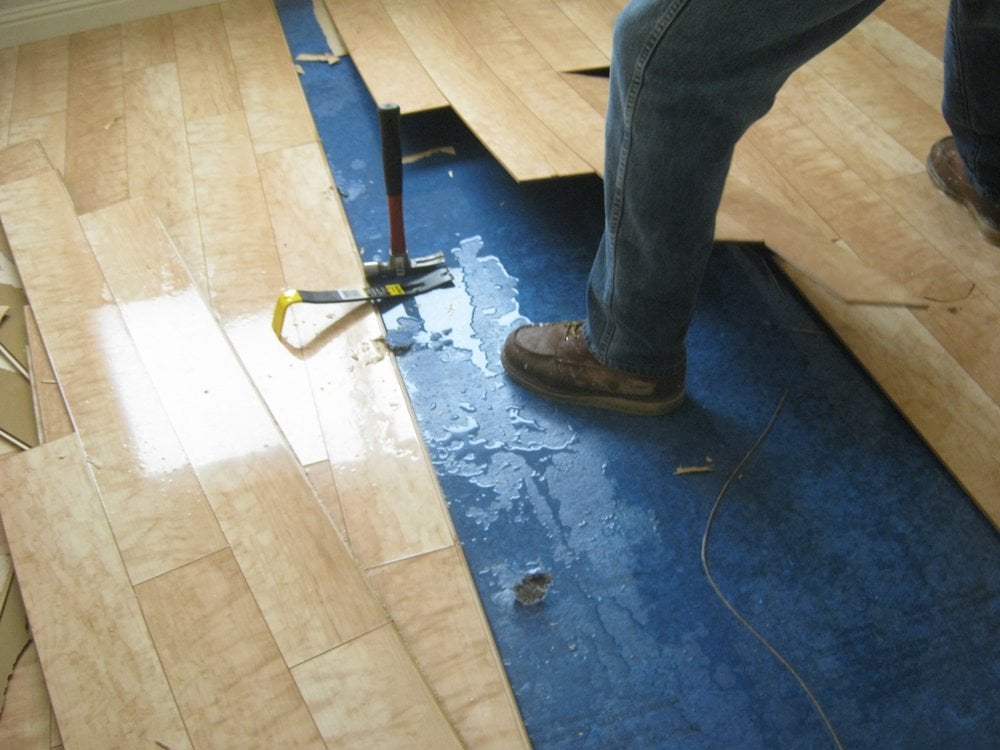
Spring storms in Los Angeles can cause more damage than we realize, especially in the hidden corners of our homes. Laundry rooms often take the hit. Between appliances, pipes, and limited airflow, it’s easy for water to sneak in and stay there. These small, quiet leaks might not seem like much at first, but they can cause big trouble later on.
Water damage in Los Angeles homes doesn’t always start with a burst pipe or a flooded basement. Sometimes, it begins with a puddle under the washer or a slow drip behind a wall. Laundry spaces are often built near the edge of the house, in garages, basements, or side rooms where we don’t spend much time. These spots don’t always get great ventilation, and when moisture gets trapped there during LA’s changing spring weather, it can slowly spread into nearby walls and floors without us noticing.
Why Laundry Rooms Are Prone to Moisture Buildup
Laundry areas are used often but rarely inspected. All the water coming in and out, along with the heat from dryers and packed-in storage, creates a lot of chances for hidden moisture.
- Washing machines and utility sinks can leak or overflow, especially when they’re older or used heavily. That water might collect under the machine where it’s hard to see.
- Dryer vents that get clogged with lint can make the room feel more humid than usual. If there’s not enough airflow, that extra humidity sticks around.
- Water hoses and pipes behind machines get worn out over time. They can crack, loosen, or drip without making a big mess, but that slow drip can do damage if left alone.
When these problems go unnoticed, they start to feed into larger ones. And because laundry rooms tend to be small and tucked into corners, we don’t always catch the signs right away.
How Moisture Travels Beyond the Laundry Area
One of the trickiest things about water damage is how far it can travel. It doesn’t stay just in the laundry room. Once moisture finds its way under flooring or behind drywall, it spreads into nearby parts of the house.
- Water that soaks into tile or laminate can move into the hallway or rooms where the floor connects.
- Constant dampness under a washer or utility sink can eat away at subflooring, even if it looks clean on top.
- In some cases, walls between the laundry and an adjoining bathroom or bedroom can hold onto moisture, and signs like peeling paint or bubbling surfaces might show up there first.
In older homes, this spread is more common. Materials may not be sealed as tightly, or ventilation might not be strong enough to help leftover moisture dry out.
Subtle Signs Water Damage Is Already Present
We don’t always see water damage right away, but the signs usually show up if we know where to look. In laundry rooms, things can happen gradually without making noise or setting off alarms.
- A musty odor that doesn’t go away, even after cleaning, could mean water is trapped in the walls or floor.
- Paint or wallpaper that peels, bubbles, or feels soft to the touch is a sign that something is hiding underneath.
- If outlets in or near the laundry room stop working or feel warm, it’s worth checking behind the wall. Moisture and wiring don’t mix well.
- Baseboards may pull away or crack if water gets underneath them, especially near the floor where spills tend to settle unnoticed.
Even small clues like these often point to a larger problem just out of sight. It’s easy to miss them when we’re just trying to get the laundry done and move on.
When Spring Weather Makes It Worse
Spring in Los Angeles brings extra humidity and heavier storms, which can add to problems in laundry areas. All that extra rainwater can enter places where walls or seals are already weak.
- Cracks in foundation walls or small gaps where the laundry room connects to a garage or backyard can let in water from outside.
- Some laundry spaces are located below ground level or in converted spaces where drainage and moisture control weren’t built in from the start.
- Rainwater that pools outside can seep through concrete or floors and find its way under machines and storage bins, feeding slow-spreading damage.
- Homes with basements or lower-level laundry rooms have a higher chance of seeing moisture return after a big storm, especially if the water isn’t cleared quickly.
What makes spring tricky is that the warmer temperatures can dry up surface moisture but leave deeper water trapped below where we can’t see. That hidden moisture sticks around and spreads quietly unless it’s found early.
Keeping Laundry Areas Dry Before Problems Grow
Catching problems in laundry rooms isn’t hard, but it does take a little attention. We don’t always think to inspect behind the washer until something goes wrong. Spring is a great time to do a quick walk-through and check for spots where water might be hiding.
- Look behind and under machines at least once a season, especially after a heavy rain.
- Check walls and corners where laundry rooms connect to garages, outdoor walls, or other areas with poor airflow.
- Keep an eye on the floor during and after a wash cycle. A small puddle might point to a larger issue inside the hose or under the appliance.
- Smell the air. If your laundry room smells damp or stale, there might be moisture trapped somewhere nearby.
- Turn off appliances and touch the walls near outlets or switches. If the wall feels cool or soft, that could mean water is inside.
These quick checks take just a few minutes but help prevent damage that might take weeks to notice otherwise.
Staying Ahead of Water Damage Before Summer Heat Hits
Laundry rooms don’t usually bring to mind water damage, but they’re often one of the first areas in a home to show signs. By the time bigger damage shows up elsewhere, the problem in the laundry room has usually been there for a while.
Spring in Los Angeles, Riverside County, or Ventura is a key time to catch moisture while it’s still minor. A leak left alone until summer heat arrives can become a big headache. Regular checks in laundry areas this time of year can help spot damage before it spreads into other parts of the home and before it becomes harder to clean up.
Noticing damp air, peeling paint, or a musty smell in your laundry room this spring could be an early warning of bigger problems. Moisture can easily slip behind walls and under floors, and in Los Angeles homes, wet weather combined with warm temperatures can make things worse. Paying attention to subtle signs now helps prevent serious damage from spreading into other rooms. Our team at Restoration Masters is ready to take a closer look and help you address any water damage in Los Angeles before the summer heat sets in. Contact us today to schedule an inspection.