
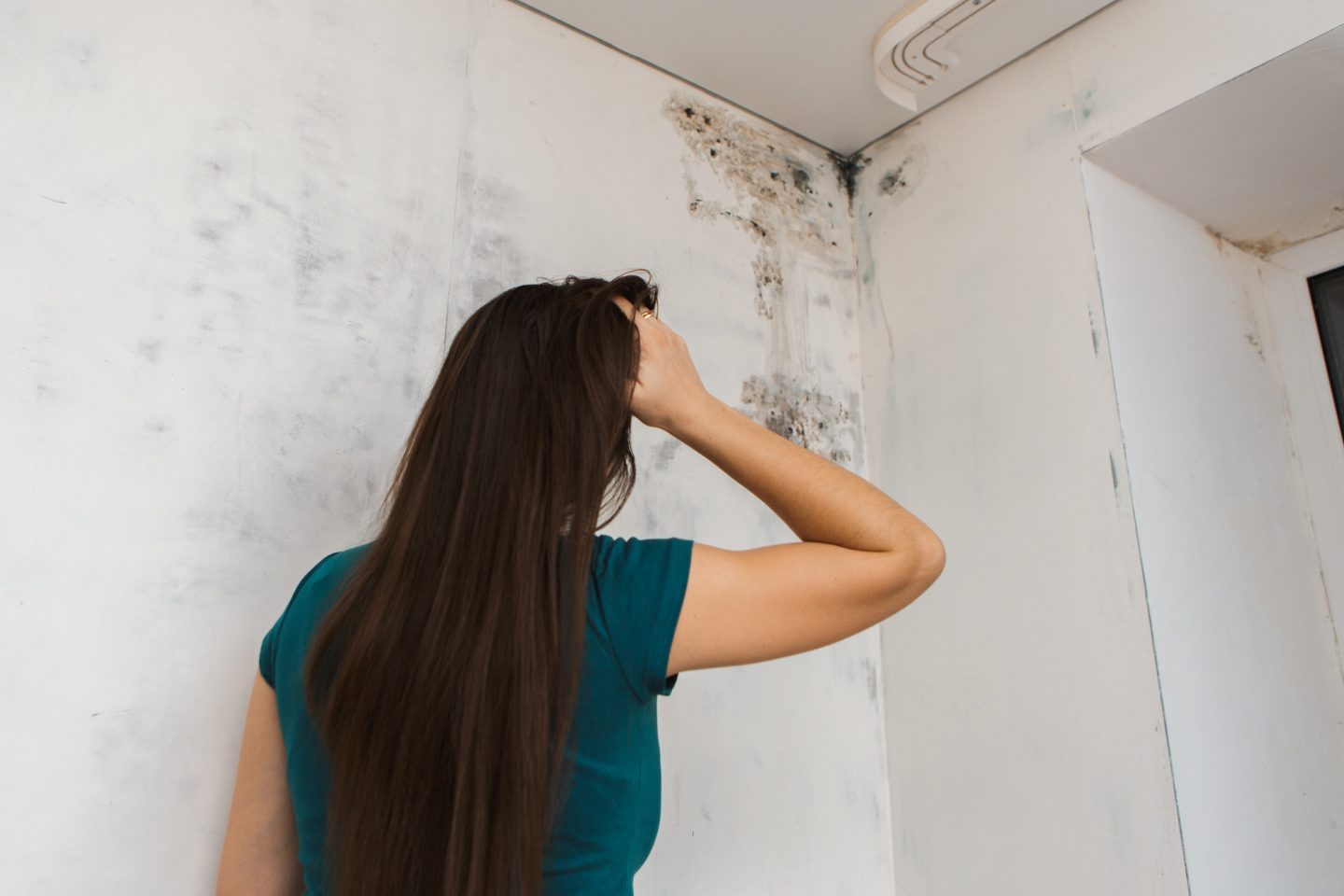
When winter comes to Los Angeles, we all feel the change. Nights get cooler, and by the end of December, most of us start using the heat more often. That warm air feels great, especially in the mornings and evenings, but it can bring some unexpected issues along with it. One of those problems is mold.
Heating raises the temperature inside the house, but when that heat mixes with leftover moisture in the air or hidden damp spots, it can create a good place for mold to grow. Mold remediation in Los Angeles becomes especially important during this time of year because of how winter heating changes the air inside our homes. Even small things, like humidity from a shower or laundry, can hang in the air longer when the house stays closed up for warmth.
Let’s walk through how mold builds up during the cooler months, what spots to check, and why it’s smart to act fast when something seems off.
How Heating Can Make Mold Worse
Heaters warm the inside air, but when that warm air hits something colder (like a window, wall, or floor), it can leave behind water droplets. That’s known as condensation. It doesn’t take much. A steamed-up window or a cool ceiling corner can trap moisture. And every time that happens, it adds to the overall dampness inside the house.
- Older buildings or rooms without proper airflow tend to hold that extra moisture longer
- Spaces that stay closed or sealed up during cold weather can turn into places where mold grows quietly
- Materials like wood, drywall, or carpet hold heat and moisture well, which helps mold spread more quickly
Once mold starts, it doesn’t need much to keep going. As long as the area stays warm and damp, the problem can grow fast.
Common Places Mold Hides During Winter in LA
Not every mold problem starts in plain sight. When we heat our homes in the winter, it’s easy to overlook the quiet corners where mold could already be starting. We’ve seen how something as simple as furniture placed against a wall can block air and trap moisture.
- Behind bookshelves or couches placed along exterior walls where heating doesn’t reach
- Garages, laundry rooms, or basements that collect water during rainstorms then stay warm and closed up
- Cracks or leaks near windows or ceilings that may have picked up rain earlier in the season
Some areas don’t feel overly damp, but inside the walls or under the floor, things might tell a different story. Mold doesn’t need standing water, it just needs enough humidity in the wrong place at the wrong time.
Signs There May Be a Mold Problem
Mold isn’t always easy to see, and it often doesn’t come with loud warning signs. But there are subtle clues we watch for when indoor heat may be making a quiet mess.
- A musty or earthy smell that doesn’t go away, even after cleaning
- Dark spots on walls, ceilings, or around baseboards, especially near bathrooms or kitchens
- Sneezing, eye irritation, or coughing that feels worse indoors and better when outside
Sometimes just walking into a room and feeling like the air is heavy can be enough to raise concern. When those feelings happen more often during winter, it’s worth checking the usual places.
Why Professional Mold Cleanup Matters
Killing surface mold or wiping down a spot on the wall might seem easy enough, but it’s usually not the full answer. The tricky part is what we can’t see. Mold often hides under paint, behind drywall, or inside insulation. Regular cleaning doesn’t stop it from spreading deeper.
- We use moisture meters and inspection tools to spot hidden growth where air doesn’t move much
- Damaged framing or drywall may need to be removed and replaced, not just scrubbed
- Cleaning without the right setup can spread mold spores to other rooms or into the air
There’s a real risk of missing parts of the problem or making it worse if it’s handled without the right equipment. Taking care of mold the right way often means going beyond what’s visible.
Restoration Masters uses HEPA air filtration, EPA-registered antimicrobial agents, and advanced containment procedures during our mold remediation in Los Angeles. Our trained specialists identify sources of hidden moisture and mold, perform detailed inspections, and handle repairs for both residential and commercial buildings. These steps help ensure that indoor air quality is safe and mold does not return after cleanup.
Keep Mold from Coming Back After Remediation
Once mold is gone, the goal is to keep it that way, especially during winter when heating is still needed every day. Moisture control is the key.
- Always turn on fans in the kitchen or bathroom to move extra humidity out
- If windows stay foggy or damp for long periods, open them a little to let fresh air in
- Walk around your home once a week to check for water stains, paint bubbles, or soft spots near sinks and basements
It’s often the little things (dripping faucets, poor sealing around windows, or vents that stay closed) that allow moisture to sneak back in. Taking care of those as soon as they show up helps keep your home dry.
Our Restoration Masters team is available 24/7 throughout Los Angeles, Orange, Riverside, and Ventura counties, making it easy for you to get help when winter humidity and warmth make mold a concern. From thorough inspections to full repairs, we help keep your space healthy in every season.
A Safer, Drier Home All Winter Long
Winter in Los Angeles may not mean ice or snow, but it still affects how our homes feel and function. Heating helps us stay cozy, yet it can easily raise humidity indoors in ways we don’t always notice right away.
Once that extra moisture meets a cool surface, mold gets a chance to settle in. That’s why paying attention to stuffy rooms, strange smells, or hidden damp patches can make a big difference. We don’t need to wait for major signs. Catching those early hints keeps things from getting worse.
Staying alert to small changes helps keep our spaces comfortable, healthy, and safe, not just during December but all the way through the rainy months ahead.
Worried about mold after turning on the heat this winter? Indoor warmth and hidden moisture can cause damage in tightly sealed spaces, but catching issues early makes all the difference. Discover how we approach mold remediation in Los Angeles with the attention your home deserves. Call Restoration Masters today to schedule a consultation.