
Water damage has a way of showing up right when you least expect it. This is especially true in Santa Monica during winter. The cooler months can bring rainstorms, ocean air, and a drop in temperatures that put older pipes and rooftops under extra pressure. We see it every year. A small leak during a windy storm or a pipe that freezes overnight ends up soaking walls, floors, or ceilings.
By the time signs appear, like a musty smell or bubbling paint, the damage may have spread. In this blog, we’ll talk through what water damage often looks like in local homes, how quickly it can progress, and when it might be time to look into water damage restoration in Santa Monica. Understanding what to watch for can help keep your house dry as winter continues.
What Water Damage Looks Like in a Santa Monica Winter
Santa Monica doesn’t get snow, but that doesn’t mean winter is worry-free. Rainstorms here can be sudden and strong, and that mix of coastal air and aging infrastructure leads to some specific challenges.
- Roofs on many homes in this area are flat or low-pitched, and that means water doesn’t always run off fast. During a heavy storm, water can pool and sneak in through weakened spots.
- Older windows and siding can allow water seepage, especially if caulking has worn down or if there’s a crack somewhere water can squeeze through.
- Some buildings near the coast deal with extra humidity and salt in the air, which can wear down exterior surfaces faster.
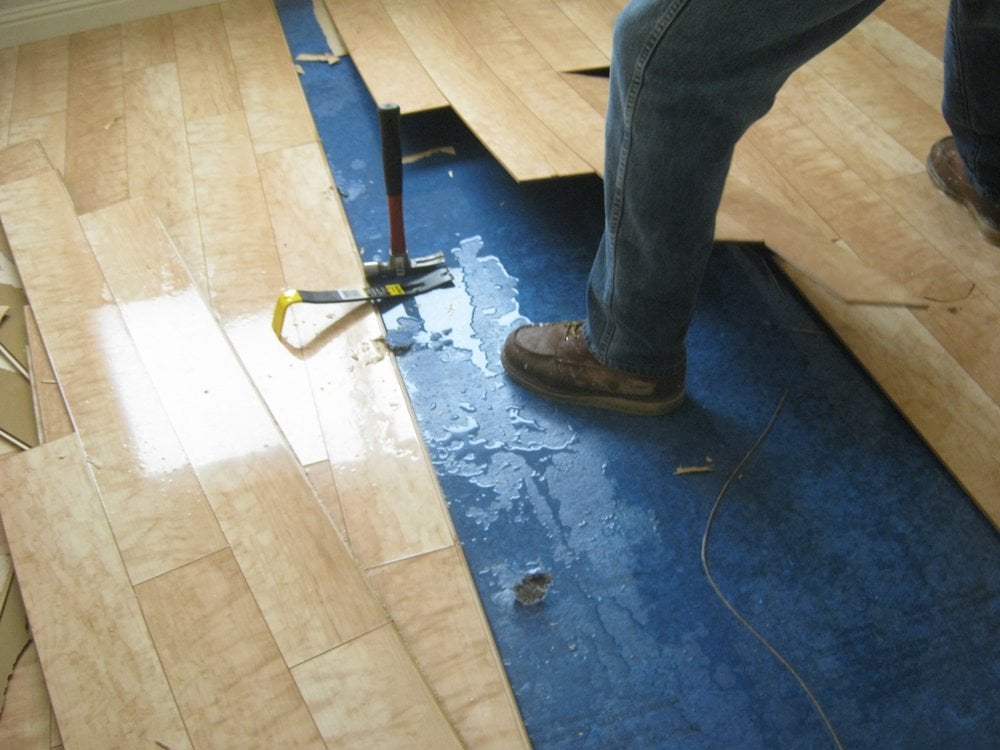
Even without a major flood, damage can build silently. Paint may start to peel for no clear reason. You might notice a musty odor that’s hard to place. Your floors could feel soft in places. These small things can point to water hiding in places you can’t see.
How Fast Water Damage Spreads If Left Alone
Once water gets inside a wall or under a floorboard, it doesn’t just sit still. It starts to spread. The longer it goes untouched, the further it moves and the more damage it causes.
- In a matter of hours, water can travel behind baseboards, soak insulation, and weaken drywall.
- Within a day or two, soft spots may form, and surfaces may bubble or warp. Sometimes a spot that looks dry on the surface hides soaked wood or carpet underneath.
- In damp coastal air, mold tends to grow quickly. Once it sets in, cleanup becomes a lot harder and takes longer. The risk gets even bigger if the ceilings or floor framing is involved.
That’s why acting quickly makes such a big difference. Even a slow drip can become a big job if it’s left alone too long, especially near the beach where heat and moisture sit in the air.
When Should You Call for Professional Help?
It might be tempting to dry things out with a towel or an air fan, especially when water doesn’t look too bad. But the signs that it’s time to call someone can sometimes be easy to miss.
- If water has been standing for more than just a few hours, there’s a good chance it’s already worked its way into materials beneath the surface.
- Baseboards starting to peel away from the wall, spots on the ceiling, or areas that feel spongey under your foot usually mean the damage has reached deeper layers.
- A strong musty smell that sticks around, even after opening windows, often points to water trapped behind walls or under flooring.
Even if everything looks dry, we’ve seen many homes where moisture hides below the surface and creates trouble later. If you’re not sure, it’s always better to check early than wait.
What Restoration Work Usually Includes
Once the problem is found, the cleanup process begins. It’s more than just drying things out. Water damage restoration can touch many parts of the home depending on how far the water has gone.
- First comes removing the standing water using pumps or vacuums that work quickly and cover more area than regular household tools.
- Next is drying everything down with strong fans and dehumidifiers. This helps remove moisture that can linger even when surfaces feel dry.
- After drying, it’s important to check for hidden problems like mold, rot, or warped wood. These spots may not be easy to see unless someone knows where to look.
- Any damaged material, like baseboards, drywall, or insulation, may need to be replaced. But this only happens once moisture levels are safe again.
Every home is different. Some jobs need just a few repairs. Others involve larger fixes, especially if water made it into hard-to-reach places.
Why Local Knowledge Makes a Difference
Knowing how water behaves in this area helps speed things up and can make a big difference in the final outcome. Local homes come with their own set of patterns, risks, and quirks.
- Many Santa Monica homes were built decades ago, which means older plumbing systems or outdated roofing materials can become weak links in the winter.
- The coastal air adds moisture to the equation, and that changes how buildings hold onto or let go of water.
- Heavy local rain can overwhelm storm drains and create ponds around homes. A crew who knows how this happens can check places that others might overlook.
When the people responding already understand regional weather patterns, building styles, and which spots tend to trap moisture, they’re ready to act faster and more accurately.
Restoring Santa Monica Properties with Confidence
Restoration Masters offers 24/7 rapid water removal and structural drying services in Santa Monica to help limit moisture damage after unexpected leaks or storms. Our IICRC-certified team uses advanced inspection tools to find hidden dampness inside walls, ceilings, and floors. We are familiar with coastal climate challenges and residential construction in Santa Monica, which helps us respond quickly to both small and widespread water emergencies.
Keep Your Home Safe Before the Next Rain
Not all water damage begins with a burst pipe or a major flood. Sometimes it slips in through small cracks, faulty caulking, or an aging roof. The winter season in Santa Monica can bring waves of wet weather, and the signs of trouble aren’t always visible right away.
By staying alert to the early signs like mild odors or small stains, it’s easier to stop larger problems from forming. That awareness, combined with quick action and the right help, can go a long way in protecting your home as the season moves ahead.
Worried about damp smells, soft spots in the floor, or peeling paint in your Santa Monica home? These could be early signs of hidden moisture. At Restoration Masters, we have extensive experience serving properties along the coast and understand how quickly water can spread. Discover how we approach water damage restoration in Santa Monica and learn which steps can protect your home. Noticing changes or feeling unsure? Reach out to us today.