
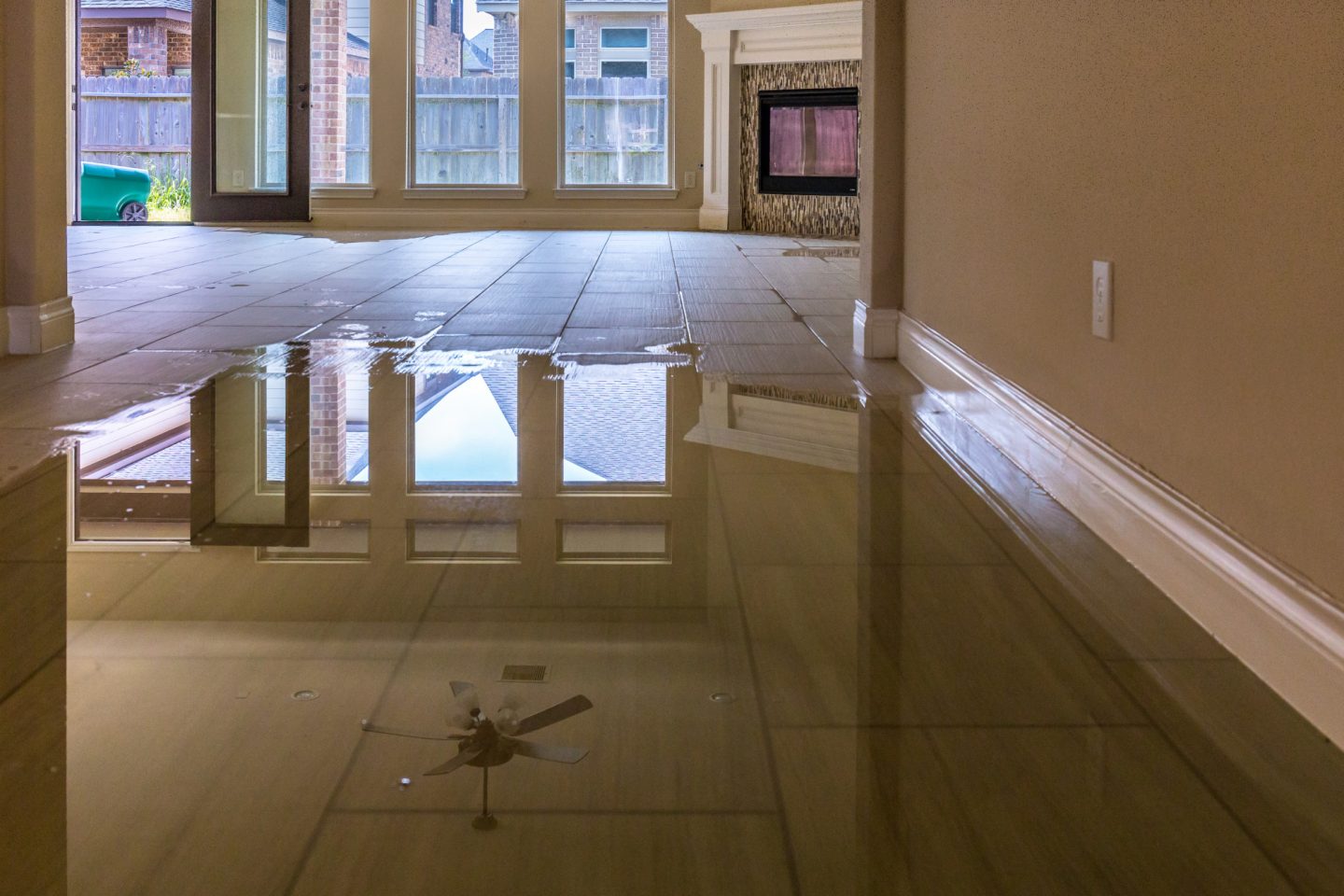
When spring storms roll in, commercial spaces across Los Angeles, Orange County, Riverside County, and Ventura face more than just puddles outside the door. Floodwater can find its way into buildings quickly, especially those with busy work areas filled with electronics, tools, and machines. Once water reaches these valuable items, damage can happen fast.
That’s why commercial flood damage restoration is so important. It helps stop damage from getting worse, protects equipment used every day, and sets the stage for getting the space back into shape. Fixing the structure matters, but saving the tools and systems inside is just as important to keep business moving forward.
Why Floodwater Is a Hazard for Business Equipment
Floodwater isn’t just water, it can carry dirt, grime, and small bits of debris. When this mix gets into motors, control panels, or hard-to-reach spaces, it can leave lasting harm.
- Water seeps into wiring and control boards, which may short out or stop working altogether
- Rapid changes in humidity and temperature around a flood can cause moisture to collect inside devices
- Dirt and grit brought in by stormwater can clog air vents, stick to parts inside machines, or speed up rust on metal pieces
Even if the outside of equipment looks fine, water can creep through joints, ports, or small cracks. Appliances or devices left in damp rooms can keep soaking up moisture long after the water is gone. Over time, this hidden moisture can keep causing harm, showing up as strange noises, power issues, or unexpected shutdowns. Even small pieces of electronics are sensitive to damp settings, and sometimes a problem doesn’t appear until days or weeks later, when the equipment fails unexpectedly.
First Steps When a Commercial Property Floods
When water enters a building, the first move should always focus on safety. Wet floors, live wires, and soggy walls can create all kinds of risks if not handled with care.
- Cut power to the area, using the main shut-off switch if needed
- Keep people out of affected zones until it’s safe to walk through
- Take pictures or notes about what equipment was affected and where water reached
Once the area is secure, professionals can begin pumping out standing water. This part often needs to happen fast, especially around critical gear like network servers, printers, lab stations, or shop machines. Making a quick list or map of the most important devices lets the cleanup team start where it matters most, saving time during a stressful moment.
How Restoration Protects and Saves Equipment
After the water is cleared, drying begins. But drying is more than just opening a few windows. Special equipment helps reduce air moisture and dry out items from the inside.
- Dehumidifiers pull moisture from the air to stop rust and reduce dampness
- Air movers push dry air through tight spots and help dry surfaces faster
- Cleaning steps remove dirt from buttons, vents, or cases without leaving water behind
If the equipment shows early signs of damage but hasn’t been ruined, careful cleanup can sometimes help restore it to working condition. This process doesn’t just protect devices, it keeps downtime shorter and saves critical tools from needing full replacement. Making sure everything is fully dry, not just on the outside but inside vents and ports, is one of the most important steps for protecting electrical equipment after a flood.
Damage isn’t always clear at first, so restoration pros often use tools that measure moisture hidden inside panels or under casings. After cleaning, technicians often monitor humidity and check connections to make sure the machines are truly ready to use. These little details make a big difference in keeping equipment safe and preventing future breakdowns from water that lingers unseen.
Structural Factors That Affect Equipment Recovery
Not every commercial space is designed to handle heavy water. The way a building is laid out can make a big difference in how quickly the area dries and how much equipment remains safe.
- Items stored on the floor, especially in lower spaces like basements or ground-level rooms, often suffer more
- Older properties or ones with poor drainage may pull water deeper into floors or walls, trapping it near wires or storage units
- Closed-off rooms may not get enough airflow during drying, slowing down the whole process
Understanding how the building moves air and where water tends to collect helps us figure out the right cleanup steps. That gives equipment the best chance of staying usable or being recovered. Large open rooms might dry quickly, but storage areas, closets, or small server rooms may trap moisture and require extra care. Pieces like cables, power strips, and extension cords should always be checked separately, since these can wick up water and hide damage.
Walls that share space with exterior landscaping or weather-facing doors might leak more during heavy rain. Finding and fixing these weak spots now makes it easier to keep equipment safe if a storm returns later in the season. Even carpeting or mats put down for comfort can hold gallons of water underneath, so these items are checked and dried or replaced as needed during equipment recovery. Taking the time to note where water usually pools in your building helps spot hidden risks in the future.
Helping Businesses Bounce Back Faster
Every minute counts when a workspace is out of order. Once equipment is lost, it can be hard to keep up with day-to-day work. Flood recovery that focuses on machines, electronics, and specialized setups helps businesses get going again.
- Saving tools and machines helps staff return to work faster and stay productive
- Restoring equipment avoids delays that come from waiting for replacements
- Early commercial flood damage restoration can stop problems from spreading into other areas like storage or office space
A smart response keeps repairs focused and improves the odds of getting everything back in place without unneeded surprises weeks later. Each business has unique tools and setups, so professionals usually ask for input from staff about what equipment is most critical. This helps set priorities and makes sure nothing is missed. Even furniture can hide dampness that puts nearby equipment at risk, so items are lifted, checked, and moved as part of the recovery plan.
Supply closets, conference tables, and break rooms might not seem directly connected to your main operations, but when they’re wet, they can cause problems for electronics nearby. Printers, backup systems, and smart controls for lights or doors are often placed in out-of-the-way spots. In a flood, these can suffer damage if restoration doesn’t reach every corner. Careful walkthroughs by both staff and restoration specialists help spot forgotten devices.
Getting Back on Track After Spring Flooding
Spring is known for sudden weather shifts in Southern California. One day might be clear, the next full of wind and rain. That unpredictability means buildings need to be ready for anything, especially when storms hit hard.
Quick action and simple planning go a long way after a flood. By focusing on drying the space and protecting equipment quickly, we can make it easier to repair what matters most. Safeguarding machines, cleaning up right away, and knowing how to spot hidden water damage are all small steps that help keep things running during a tough season. It also helps to have a plan in place for the next storm, with lists of key gear, basic supplies for protection, and reminders to check trouble spots around doors and low windows.
At Restoration Masters, we understand how sudden flooding can disrupt your business operations, particularly when valuable equipment is involved. Taking immediate action can make all the difference, and following the right procedures protects your most important assets. For businesses across Southern California faced with everything from waterlogged electronics to concerns about hidden issues, our priority is ensuring a smooth, efficient recovery. Learn how our commercial flood damage restoration service can help you take control of water issues at your property. Contact us today to discuss your needs.