
Damage inside a home often looks simple at first. A little water in the hallway, a scorched patch on the wall, or a cracked window might not seem like a big deal. But these problems can spread quietly, turning small worries into bigger repairs. That’s where a damage restoration service comes in, helping to handle not just one mess, but many types of issues that can happen after water, fire, or unexpected events hit a home or business.
We’re going to walk through the most common kinds of damage we deal with and how the cleanup process helps make a space livable and safe again.
Water Damage: More Than Just a Puddle
Water might look harmless, but it doesn’t stay on the surface. Once it leaks into your walls or floors, it can start doing serious damage fast. We usually see water issues after storms, pipe breaks, drains backing up, or appliances failing. But no matter how it starts, the key is to get it out quickly.
• Walls and baseboards soak up moisture and may start to swell or crumble.
• Wood flooring can warp, buckle, or separate as it absorbs water.
• Carpets trap water deep underneath, even if the top looks dry.
• Furniture and belongings sitting in water don’t just get wet, they can be ruined if not dried fast.
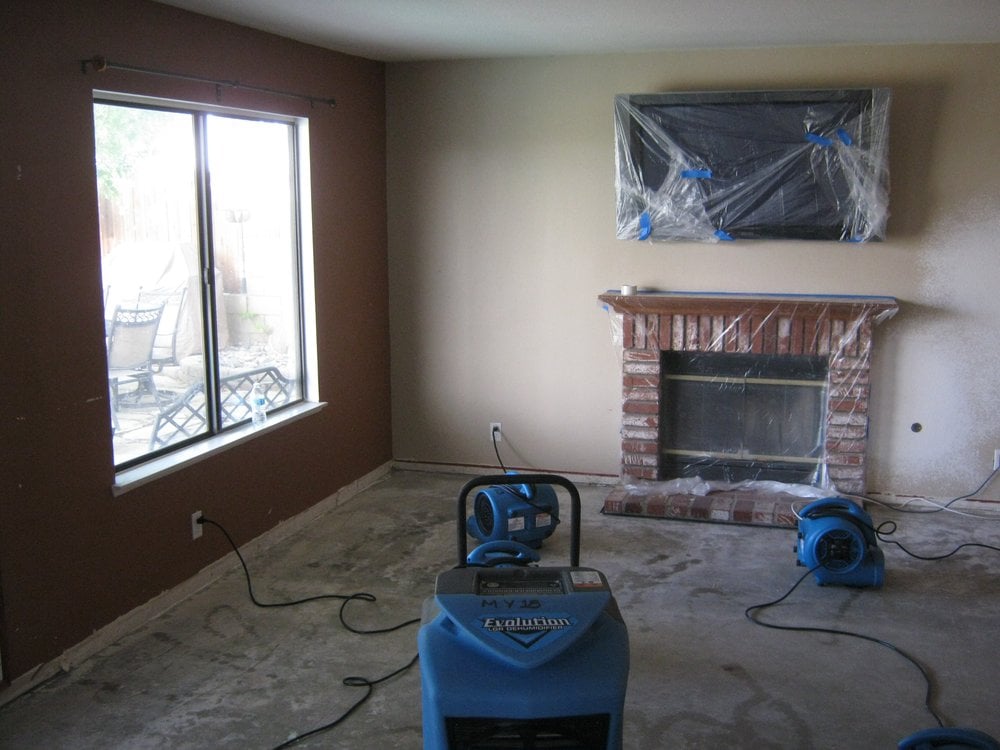
One of the bigger concerns with water is mold. If moisture stays around long enough, mold starts to grow, often hidden inside walls or under flooring. That’s why part of a good damage restoration service includes drying every layer, not just what you see. Fans, dehumidifiers, and moisture readers help make sure the space is ready for rebuilding, not just surface cleaning.
You might not notice at first just how much water is sitting inside your home after a spill or a leak. Sometimes, a puddle sneaks underneath cabinets or appliances and spreads out where you can’t spot it easily. High humidity in some rooms can also mean that even after a mess is cleaned up, a little moisture remains trapped inside walls or floors. This is why professionals check not just the outside layer, but the inside too.
Anyone who’s dealt with water issues knows the importance of acting fast. The longer water lingers, the more chance mold and structural damage have to set in. When surfaces start to discolor, smell musty, or feel soft, these are signs water has gotten somewhere it shouldn’t.
Fire and Smoke Damage Doesn’t Stop at the Flames
Fires are scary on their own, but the smoke that follows can reach places the fire didn’t. Heat, soot, and smoke will travel through vents and fill every open room.
• Smoke odor can latch onto curtains, furniture, clothes, and carpets.
• Soot leaves dark film on ceilings, around vents, and behind doors.
• Appliances and light fixtures may melt internally, even if they seem untouched.
• Wiring and plastic surfaces might be damaged by heat without obvious signs.
A fire in the kitchen can leave smoke in the upstairs bedroom, depending on how the air flows. We take the damage from smoke seriously because it can cause breathing issues and keep a space smelling burned long after the fire is out. Part of our restoration work involves checking areas that may look clear on the outside but might be stained, damaged, or unsafe underneath.
When a fire is put out quickly, the surface may only show minor damage. However, smoke and soot find their way into furniture, air ducts, closets, and everywhere air can move. Even small fires can leave behind sticky residue that turns walls and ceilings grey or black. Ash and smoke also absorb into fabrics, making it hard to get rid of the burned smell with just air fresheners or regular cleaning.
Restoration teams are trained to clean and remove soot and smoke in places homeowners might miss, like behind electrical covers, inside vents, and in the space above ceiling tiles. Special cleaning methods and air purifiers help remove particles from the air so the home doesn’t just look clean but smells and feels clean too.
Mold: The Sneaky Aftermath
Mold often shows up after water damage, but it doesn’t always come right away. It takes hold in hidden places, under carpets, behind drywall, or inside ceilings. Warm, damp spaces like bathrooms and basements make it worse.
• Mold can grow fast wherever moisture stays trapped, even if you can’t see it.
• It often gives off a musty smell before any green or black spots appear.
• Some people feel symptoms from mold in the air, even when it’s not visible.
Getting rid of mold means more than wiping a surface. The source of the moisture has to be fixed, or it’s likely to return. We focus on drying out affected spaces fully, removing damaged materials, and cleaning all surfaces where spores might be hiding. It’s quiet work, but if we leave it too late, the smell and health concerns can grow quickly.
Sometimes people do not realize how long mold has been growing because it often forms in dark or rarely used parts of the house first. Small leaks beneath sinks and inside closets provide just enough moisture for mold growth without showing visible signs for weeks. Even if only a small patch is found, it may be a hint that there is more hidden just out of view.
Proper mold cleanup requires a mix of drying, disinfecting, and sometimes removing drywall or carpet. Professional teams use testing tools to make sure mold isn’t still present in the air. They pay attention even after the visible mold is gone to keep spaces safe for everyone inside.
Storm and Weather Troubles
Around Los Angeles and nearby counties, winter storms can bring heavy rain and harsh winds that put pressure on homes. While big water events make the news, smaller weather damage is more common.
• Wind can rip shingles off rooftops or knock branches into siding.
• Heavy rainfall sneaks into attics, basements, and crawlspaces through tiny cracks.
• Damaged windows or loose flashing around chimneys can let water in every time it rains.
That kind of damage doesn’t always show up right away. Wet spots in ceilings or along baseboards could take a few days to appear. If it’s not addressed, the water can continue to move deeper into the structure. When we clean up after weather damage, we look at both the surface and what’s underneath to catch the problems early.
Severe weather isn’t always predictable. Sometimes, just one windstorm or hail shower can send debris hurtling against the house, break roof tiles, or even blow off gutters. This opens more spots for water to get inside with every future rain. And in Southern California, sudden rain after a dry spell can quickly show where the roof or siding has weak spots.
That’s why restoration work after storms often includes inspection for hidden leaks, checking roof spaces and foundations, and working fast so wet areas don’t have a chance to get worse. Fixing these problems early helps avoid more costly repairs later on.
Vandalism, Accidents, and Other Surprises
Damage doesn’t always come from storms or leaks. Sometimes it’s something unexpected, like a break-in, a small fire from a candle, or a car accidentally hitting the garage. These events can leave all kinds of surprises behind.
• Windows or doors may be smashed, letting in water or pests.
• Graffiti on walls needs careful cleaning to avoid leaving stain marks.
• Structural parts of the home, like fences, railings, or garage doors, may need repairs to stay safe.
• Vehicle impacts or heavy falls can crack support beams or shift walls out of place.
When this kind of unexpected damage happens, fast cleanup helps prevent more problems later. Rain can come through a broken window and create mold. Paint can become harder to remove the longer it sits. By stepping in early, we make sure the space stays secure, clean, and ready for regular use again.
These unexpected issues can also leave parts of the house exposed. A broken window might invite dust, rain, or even pests. Any accident, like a piece of furniture falling or a bike crashing into drywall, might seem simple but can open up spots where water or dirt can get in. Quick repairs and careful cleaning are important to keep other problems from showing up later.
Trusted Solutions for Property Damage Recovery
Restoration Masters provides full-service cleanup and repairs for water, fire, mold, and storm damage across Los Angeles, Orange County, Riverside County, and Ventura. Our IICRC-certified team uses advanced equipment to handle everything from hidden leaks to major fire or flood damage, and we offer 24/7 emergency response for urgent cases. Each cleanup is backed by inspection and drying methods designed to address moisture deep inside walls and flooring, not just what’s visible on the surface.
Getting Life Back After the Mess
Damage can come in a lot of forms. It isn’t always big or dramatic, and it doesn’t always look serious at first glance. But over time, water, smoke, mold, or a break-in can create problems that affect how safe and comfortable a space feels.
By understanding what a damage restoration service really covers, we can help keep the process of recovering from a problem more manageable. Whether it’s storm leftovers, fire smells, or water under the floors, knowing what to look for means a better chance of getting back to normal. We’ve seen how quickly damage can grow when it’s not handled early, which is why we treat every sign, no matter how small, with care from the start.
When water, fire, or storm damage hits your property in Los Angeles, Orange County, Riverside County, or Ventura, knowing what type of restoration your space needs is the first step. Temporary solutions often miss underlying problems like lingering moisture or smoke residue. Our dedicated local team at Restoration Masters manages everything from burst pipes to shattered windows and comprehensive fire cleanup. Not sure how to start? Our damage restoration service addresses common issues many owners overlook early on. Reach out to Restoration Masters so we can guide you through your next steps.