
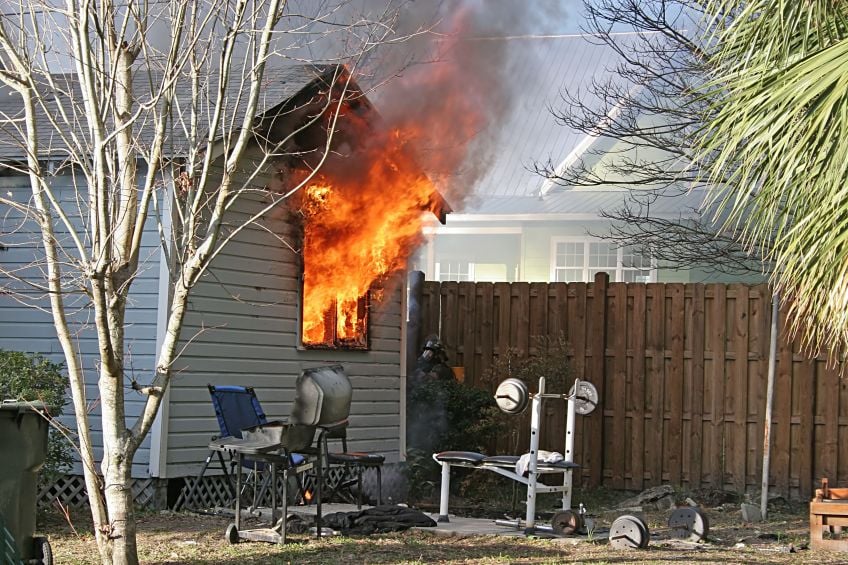
Walking into a home after a fire can be overwhelming. Everything feels off. There’s the smell, the damage, the layers of soot waiting on every surface. Even if you’ve never experienced a fire firsthand, it’s not hard to imagine how out of place and unsettled things can feel. Knowing where to begin can be hard, but the right first steps make all the difference. That’s why calling in fire damage restoration contractors as soon as possible really helps. We know what to watch for from the start and how one problem can lead to another if it’s not caught in time.
Fires don’t only burn what you can see. Heat, smoke, and water leave behind other hidden dangers. Getting a good handle on those right away can prevent more damage and make the cleanup smoother from the start. Every home is different, and sometimes the impact isn’t clear until the inspection is underway. By taking a careful, thorough approach, we can spot things others might overlook, which can be very reassuring at a tough time.
First, They Check for Structural Safety
The first thing we check is whether the building is safe to walk through. Fires weaken parts of a home in ways that might not show right away. Even if it looks like the flames missed some areas, heat can still make beams or upper floors tough to trust, sometimes causing problems that only show up later.
- We look at ceilings and support beams to check if they’re cracked, sagging, or split
- We check stairways, railings, and flooring to see if they’re still strong enough to walk on
- If anything seems unstable, we bring in an expert to look closer before any cleanup starts
- We pay attention to door frames and windows that don’t close right, as this might mean shifting after heat exposure
Safety always comes first. If we move too fast, we risk causing more damage or making things worse. By carefully checking the stability of each area, we make sure everyone inside stays protected, and this gives us a better plan for safe cleanup too.
Next, They Look for Hidden Heat and Smoke Damage
Fire leaves behind heat and smoke damage that can reach places the flames didn’t touch. These areas are easier to miss but just as important to find early on. Smoke has a way of drifting into the cracks, and intense heat often travels along beams and pipes, sometimes in unexpected ways.
- Smoke can slip into wall spaces and rise into attics, leaving behind stains or a strong smell
- Cabinets, light fixtures, and ceiling corners often hold in heat and discolor over time
- We use special tools like thermal cameras to pick up heat still trapped in odd spots
- Light smoke can even settle behind electrical sockets or inside ventilation ducts
These extra checks mean we don’t accidentally skip damage hiding just under the surface. It’s not just about what burned but where the heat and smoke traveled. Catching smoke damage early makes a big difference in how much of the property can be restored and helps with future air quality.
Then, They Inspect for Water and Mold from Firefighting
The water used to put out the fire can create its own problems. It can sink into places that weren’t touched by flames and lead to mold before anyone notices. Liquid can move fast through a house, flowing down through the smallest cracks and often resting in low spots that escape notice at first.
- We check ceilings and walls that look bulged or saggy
- We look under floors, behind cabinets, and inside crawl spaces for signs of water pooling
- Wet spots get dried out right away before mold starts to grow
- We listen for squishy floors or notice a musty odor, which can signal trouble before it’s visible
Finding and drying that water fast helps stop more damage, especially during the cooler and damp weeks of early spring in places like Los Angeles, Orange County, Riverside County, and Ventura. Mold can start quickly if those hidden areas aren’t handled right after the fire. Taking these careful steps saves time down the road, and helps families feel safer moving back into their homes.
Sorting Through Smoke and Soot Cleanup
Soot moves through a home fast after a fire. It doesn’t just settle in the burn area, it clings to surfaces, sometimes far from where the flames were. Because every fire is different, we need to pay attention to the type of soot and how it has spread.
- We focus on greasy soot in kitchens and powder-like soot on walls and shelves
- Light switches, electronics, and countertop corners are often full of it
- The way we clean depends on the type of smoke (wet or dry) and how long it’s been sitting
- Soot can hide inside drawers or coat inside air vents
Without the right approach, soot can smear or dig in deeper when rubbed. Timing and technique matter when tackling this kind of cleanup. The right tools and gentle tactics mean more surfaces can be restored instead of replaced.
Salvaging What Can Be Saved
After we’ve gone through the structure and surfaces, we start looking at what can be kept. It’s hard emotionally, but moving calmly and carefully through this part helps get things back to normal. Having a system means we’re less likely to lose important things and can help owners know where their belongings stand.
- We sort items into three groups: safe to use again, good if cleaned carefully, and too damaged to keep
- Jewelry, hard plastics, and some electronics can often be cleaned
- Photos, fabrics, and books are trickier and need gentler cleaning or drying methods
- We keep detailed lists so nothing gets lost or thrown out unnecessarily
We’re always careful during this part of the process, making sure not to cause more damage by handling things too quickly. Having a plan during sorting helps protect anything that matters most. Sometimes, items have sentimental value even if they are small, so we pay attention to what owners want to prioritize wherever possible.
Why the First Look Matters Most
Those first few hours and days matter. By checking things in the right order, we stop small problems from becoming big ones. Every step builds on the last, and skipping one could leave behind hidden trouble. A careful inspection also gives everyone a little peace of mind, knowing nothing critical gets missed.
Fire damage restoration contractors start with safety, then move to smoke, heat, water, and belongings, step by step. That order helps shape the full cleanup plan and gives everyone a clearer path forward. No step is rushed, and every detail is noticed because sometimes the little things have the most impact. A smart first look leads to a cleaner, safer space, and gives families one less thing to worry about while picking up the pieces.
At Restoration Masters, we understand how overwhelming fire damage can be, especially when it affects your home or business in Los Angeles, Orange County, Riverside County, or Ventura. Getting reliable support right away can make a big difference in salvaging your belongings and restoring your sense of security. By choosing trusted fire damage restoration contractors, you can prevent further complications and take the first steps toward recovery. Reach out to our team today to get started.