
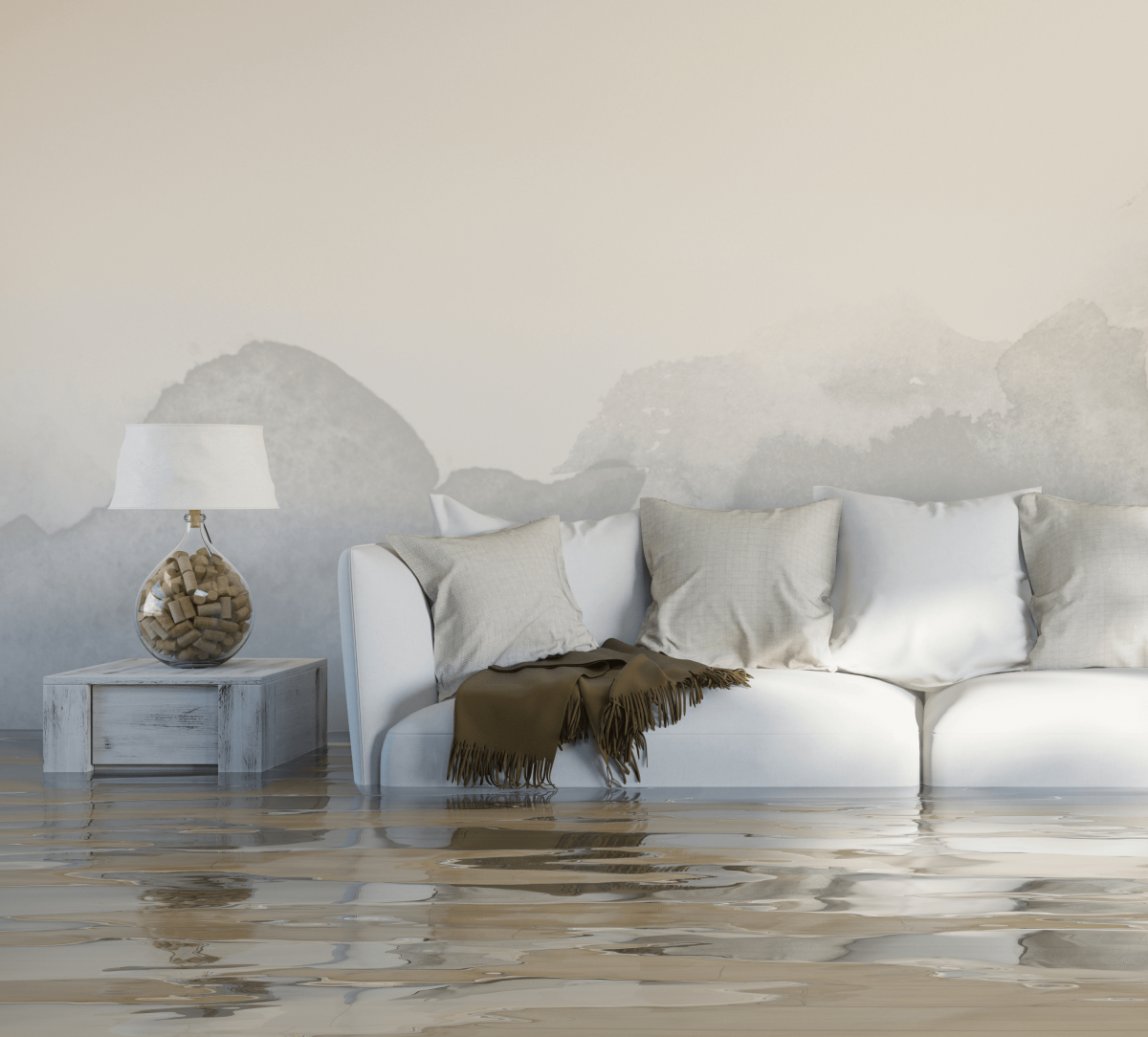
When a garage floods, it can turn into much more than a puddle problem. In places like Los Angeles and across Ventura or Orange County, heavy rain in late fall often pushes water right into residential garages. Backed-up drains, uneven driveways, or sudden downpours can quickly leave behind wet tools, soaked drywall, and soggy cardboard boxes.
That kind of water does not just dry out on its own. It can seep deeper into materials, grow mold, or even start to smell if left sitting too long. This is when flood damage restoration services really help clean things up the right way. Knowing how to respond can make a big difference. These steps walk through what happens after a garage overflows and what to expect next.
Assessing the Situation Safely
Before doing anything else, the first step is to check the space (only once it’s safe). If water is still coming in or standing deep, it’s better to stay out. We never want to walk into electrical dangers or stir up bad air. Once everything calms down, we can step in and look around.
Start by noticing what areas of the garage are wet. Some things are easy to spot, like waterlines on the wall or soaked rugs. Others may not stand out right away. It helps to pay close attention to:
- Wood framing and baseboards that look darker or feel soft
- Storage bins or boxes pushed into corners
- Tools or outlets that might have come in contact with water
Looking for any signs of damage right away helps set priorities. One thing we always check is whether any water reached wiring or electrical panels. If anything feels unsafe, we treat it carefully and bring in the right help.
Removing Water and Damp Materials
Once we know it’s safe, the next job is getting water out. This step is more than just mopping up. When water has soaked in deep, we use pumps, heavy-duty vacuums, and fans to start drawing it out fast. The longer water sits, the more damage it can do.
During this step, we often have to move or toss damp items. Flooded carpet, wet drywall, or sagging cardboard cannot stay in place. We remove these materials to keep things from getting worse. That’s especially true for anything that could grow mold or hold onto smells long after the floor looks dry.
If we find soaked insulation, flooring, or wall panels, we cut those out completely. Leaving them in place risks having to redo everything later.
Cleaning and Drying the Garage Properly
After water is gone, the space has to be cleaned and dried out thoroughly. Floodwater does not just bring in moisture (it can carry dirt, bacteria, or runoff from streets). Every surface that got wet should be scrubbed with products that clean and sanitize.
Even when a garage looks dry, moisture can be hiding in less obvious spots. We check behind cabinets, under stored boxes, or behind any wall gaps. Mold loves dark corners, especially where air doesn’t move well.
We bring in fans and dehumidifiers to speed up drying and keep air moving. Moisture meters help track progress so we know when things are staying dry for good. During this process, flood damage restoration services help keep moisture from slipping into nearby rooms or crawl spaces. Restoration Masters uses EPA-approved disinfectants and advanced air movers to improve indoor safety and ensure all traces of floodwater are dealt with properly.
Inspecting for Hidden Damage
Some water damage doesn’t show up until days later. That’s why we check for anything we might have missed once the garage is clean and dry. Water has a way of sneaking through cracks or down into floors, especially in older buildings.
We keep an eye out for:
- Cracked or crumbling drywall
- Warped shelves or baseboards
- Rusted electrical outlets or fuse boxes
- Flooring that feels spongy
It’s not just about the garage, either. Water sometimes flows toward living areas or seeps into wall framing. Hidden moisture can build up behind insulation or under tile. A good inspection now means fewer surprises later, especially with winter coming.
Repairing and Preventing Future Flooding
After all the cleanup, it’s time to repair and protect. We may need to patch or replace drywall, redo damaged flooring, or install new insulation. If wiring was exposed to water, it should be checked and repaired before using it again.
Once the damage is fixed, we think through how to stop the next flood. We have seen a lot of garages in Los Angeles, Orange County, and nearby cities overflow from the same spots year after year. A few small changes can help protect the space from the next heavy rain:
- Clear out clogged drains or gutters
- Add weather stripping to the bottom of the garage door
- Seal any cracks in the walls or concrete floor
Stopping the water before it floods in again gives the repairs a better chance to last long-term. Restoration Masters provides 24/7 emergency flood response and complete reconstruction service to restore your garage to pre-damage condition and improve your overall property resilience.
Staying Ahead of Garage Water Damage
Fast action is one of the best ways to limit how much damage water does. When garages overflow, catching the problem early gives us more time to fix what we can and reduce the risk of mold, bad smells, or deeper repairs later on.
Flood damage restoration services do more than clean up soaked items (they help unravel where the water went and what it touched). When cleanup is done right the first time, there is less chance of problems popping back up once cooler, wetter weather settles in. That peace of mind matters, especially heading into winter.
Water can accumulate quickly in garages throughout Los Angeles, Orange County, Riverside County, and Ventura, especially when drainage fails or heavy rain hits. We know how quickly damage can worsen, which is why our team is committed to drying out your space thoroughly and addressing hidden risks. Our team manages cleanup from start to finish, and you can learn more by visiting our flood damage restoration services page, and contacting Restoration Masters for the expert support you deserve.