
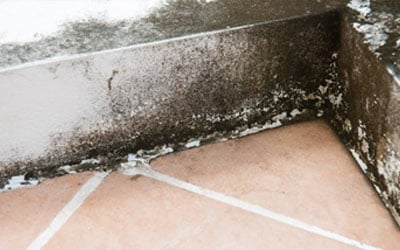
Spring showers can bring much-needed rain to Los Angeles, but they can also leave behind problems inside our homes. When water sneaks in and doesn’t dry out quickly, mold can start to grow in quiet corners. It might show up on walls, under cabinets, or in rooms we don’t use often. The mix of moisture and warming temperatures creates the perfect space for mold to spread before we even know it’s there.
That’s why mold remediation in Los Angeles becomes especially important every spring. We’ve seen how fast a small patch can grow once it takes hold. Staying alert to signs of mold and taking quick action helps keep our homes healthier and our air cleaner as we move into the warmer months.
How Spring Rain Creates the Right Environment for Mold
Rain doesn’t have to flood a home to cause trouble. Sometimes, it’s just a slow drip or light seep that gets into places it doesn’t belong. In Los Angeles, spring rainfall can sneak in through damaged roofs, old window frames, or small cracks around the base of the house. Crawl spaces and basement walls are especially common places where leaks linger without our noticing.
Even after the rain stops, trapped moisture can stay hidden in walls, floors, or behind large furniture. These damp spots stay cooler and darker, making them harder to dry out naturally.
Once the sun comes out and outside temps rise, that leftover moisture mixes with warm air. When those two meet, it sets the stage for mold to grow fast. Without good airflow or a way for the water to escape, humid spots can turn into long-term problems.
- Rain runs in through cracks or weak spots without alerting the homeowner.
- Moist air from outside fills hidden spaces indoors that stay cooler or closed off.
- Damp corners without sunlight or air circulation take much longer to dry.
Signs Mold Might Be Hiding in Your Home
Mold doesn’t always make a big entrance. Often, it’s the small things homeowners notice first. A room might smell musty, even after cleaning. You might spot faint stains on the ceiling or walls, or see wallpaper loosening at the edges.
Some of the most common signs we’ve seen include:
- Peeling paint or wallpaper that bubbles up in one area
- A strong, earthy odor that won’t go away
- Black, dark green, or even white patches on walls, ceilings, or baseboards
- Air that feels damp or heavy, especially after rain
What makes mold so tricky is that it often starts behind things. Furniture, bookshelves, and storage bins can block it from view until the problem gets worse. Bathrooms, laundry rooms, and closets with no windows are also hotspots. Tiny leaks or forgotten moisture from a spill can linger long enough to allow mold to grow before it’s discovered. Even if these signs seem small, ignoring them can lead to bigger damage over time.
What Happens During Mold Cleanup
When we handle a mold issue in someone’s home, we start by figuring out exactly where the moisture is hiding. It’s not always the surface that needs the most attention. Often it’s deeper, inside walls or flooring, where mold has been spreading slowly.
The steps usually include:
- Locating the source of moisture by checking humps, stains, or soft spots.
- Drying out the area fully, using airflow and equipment when needed.
- Carefully removing damaged materials without letting mold spread through the air.
- Cleaning surfaces so mold doesn’t return.
For mold remediation in Los Angeles, we pay extra attention during spring since moisture levels are still shifting from recent storms. The warmer weather speeds up mold growth, so catching it early makes cleanup much easier. The process is more controlled when we don’t need to remove large areas, but that depends on how long the issue was hidden before it was found.
Working carefully and using the right tools helps stop mold from spreading while everything is being cleaned up. Spreading spores during cleanup can make the problem worse if not managed gently and thoroughly.
How to Keep Mold From Coming Back
After mold has been removed, many homeowners want to know how to keep it from happening again. That’s a smart question, especially in Los Angeles, where spring can bring repeated rounds of damp weather followed by warming temperatures.
Some simple habits make a big difference between spring and summer:
- Use fans or crack windows during and after showers to let air move freely
- Check on rooms you don’t use often, especially if they feel damp
- Look under sinks, around tubs, and near washing machines for small drips
- Clear gutters so water doesn’t back up and sneak into the walls
- Check crawl spaces or garages after heavy rain to look for flooding or signs of wetness
We’ve found that once mold has shown up in a space, even once, that area can be more sensitive. If wood or drywall absorbed moisture before, it may hold onto it longer or be more likely to attract spores next time. Checking those trouble spots during spring is an easy way to stay ahead, especially before summer heat brings more humidity into the air.
Looking around the house while spring cleaning is a smart routine. That can be the easiest time to spot something early, like a wall that feels soft or a closet that smells different than usual.
Why Fast Action Helps Your Home Stay Healthier
Los Angeles homes face a mix of weather that puts pressure on indoor spaces. Rain comes through fast, sometimes soaking the soil or pushing water into places it normally doesn’t reach. Then, before long, warm dry air returns, locking that leftover moisture in place.
That’s why it helps to pay attention right after the rainy season. A small patch of mold now might mean there’s moisture in the wall or under the floor. The sooner we notice, the less damage it causes in the long run.
Mold doesn’t wait for perfect conditions. Once it finds moisture, warmth, and a dark place to grow, it tends to spread. That can affect the surfaces we see, like paint and tile, but also what we can’t see, like the air we breathe or the strength of the structure under the surface.
Spotting mold early and keeping damp spaces dry helps us protect the health of our homes. It’s easier to address now than months down the road when damage grows deeper and more stubborn. No matter how mild or wet spring feels, knowing what to look for helps keep things manageable.
Spring storms can create damp corners and unusual smells that often go unnoticed, which is why it’s helpful to watch for subtle signs of mold before they become bigger issues. We know how quickly moisture can hide and spread, especially when the weather stays warm in Los Angeles. Staying alert and acting fast truly makes a difference. To understand how we approach mold remediation in Los Angeles and what you can expect from the cleanup process, reach out to Restoration Masters if something in your home feels off after a rainy stretch.