
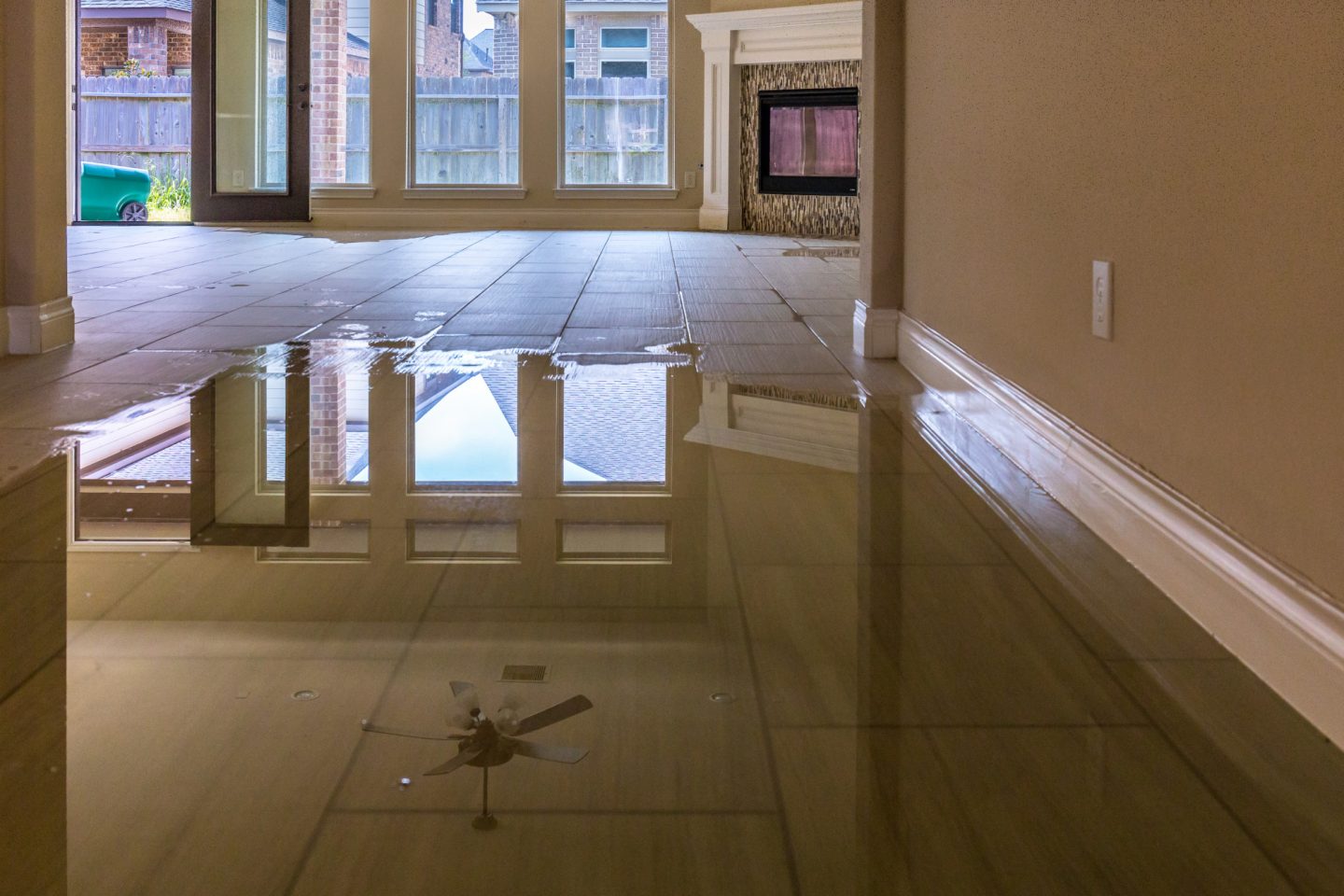
Water damage restoration is the process of cleaning, drying, and repairing a home or building after unwanted water gets inside. Whether it comes from a burst pipe, a clogged drain, or days of heavy rain, unwanted water can spread fast and cause problems you can’t always see right away. That’s why it’s so important to act quickly and handle the damage the right way from the beginning.
In Southern California, where winter rainstorms can bring sudden flooding, homes in places like Los Angeles or Riverside County are sometimes caught off guard. Understanding what happens during water damage restoration can take some of the worry out of a stressful situation. This guide walks through each step so you know what to expect and why every part of the process matters.
The First Step: Finding Where the Water Went
When water shows up inside, the first thing we do is figure out how far it has spread. Some of it is easy to see, a wet floor, a soaked carpet, but water doesn’t stop at the surface. It can sneak behind walls, under tile, into cabinets, and beneath baseboards. That’s why we take time to examine every part of the space, not just the obvious spots.
- Moisture meters and thermal cameras help identify hidden damp areas
- Infrared tools can spot temperature changes that suggest water is trapped inside a wall
- Some spaces may need to be opened up slightly to see how deep the water has gone
This step matters because leaving water behind can lead to bigger issues later, like mold or broken materials. Once we know where the damage is, we can build a clear plan to dry and clean everything thoroughly.
Drying it Out the Right Way
Drying is never just about opening a window or turning on a fan. Once the extra water is removed, deep drying begins. This step takes time and patience and needs the right tools for the job.
- Air movers help push dry air across floors and walls to speed up evaporation
- Dehumidifiers pull water from the air, especially in closed-off rooms
- Materials like wood or thick carpet may take longer to dry than tiles or linoleum
Drying needs to happen fully before any repairs start. If we rush this step or miss hidden moisture, it can cause more damage later. That’s why we measure as we go and check that every part of the space, top to bottom, is truly dry.
Cleaning Up After the Water Moves Out
After a space is dry, the next job is to clean anything left behind. Floodwater and leaks often carry dirt, bacteria, or other things that aren’t safe to leave around, especially if the water came from a sewer line or outside runoff.
- Carpets, padding, and upholstered furniture may need to be removed if soaked through
- Surfaces are scrubbed with antimicrobial products to remove germs and smells
- Cabinets or closets that held water may need extra attention to make them safe again
Cleaning is more than just rinsing off mud or spraying air freshener. It’s about getting rid of anything that could affect the health of people who use the space. Odor, staining, and bacteria can make a home feel less comfortable, even when it looks clean. That’s why a careful, deep clean is an important part of every restoration plan.
Repairs That Help Things Feel Normal Again
Once everything has been dried and cleaned, repair work can begin. This part helps bring the space back to how it should look and feel, whether that means small fixes or larger rebuilds.
- Drywall and insulation may need replacing if they were too soaked to save
- Damaged floors, like warped wood or broken tiles, may be pulled out and redone
- Paint, trim, and fixtures are repaired or replaced to match the rest of the space
Every job looks a little different depending on how much damage the water caused. Some homes just need the bottom of their walls patched up, while others may need help across many rooms. We always make sure repairs handle both what’s seen and what’s hidden, so the space stays safe and steady over time.
What to Expect Time-Wise
One of the most common questions we hear is, “How long is this going to take?” Timing can feel unpredictable, but understanding the general timeline helps.
- Finding and removing water is usually quick, often taking a full day or two
- Drying can take longer, depending on how deep the water went and what materials got wet
- Cleaning and fixing up the space comes after drying is complete and can vary in length
Some parts of the home may be usable before others finish drying. But from start to finish, water damage restoration is a step-by-step process. Rushing any stage can cause future problems, so we move carefully while keeping things steady and straightforward.
Support from Certified Restoration Professionals
Restoration Masters is IICRC-certified and provides 24/7 emergency water removal, moisture detection, and drying services in Los Angeles, Ventura, Orange County, and Riverside County. We use specialized air movers, dehumidifiers, and moisture mapping to find hidden pockets of water that could impact your home’s structure and air quality. Each step is carefully tracked to make sure repairs are started only when every layer is thoroughly dry and safe.
Getting Back to Home Life Without Worry
Water damage can feel overwhelming at first, especially when you find wet spots in places you didn’t expect. But when the cleanup is handled the right way, from finding the water, to drying, to full repairs, it helps take the stress out of what comes next.
Every stage of the process plays a role in keeping your home safe, clean, and comfortable to live in again. Whether you’re in Los Angeles or out in Ventura County, knowing what you’re facing and how it’s fixed can bring peace of mind during a tough time.
Water emergencies like flooding from storms or a hidden leak can cause lasting problems in your home, from damaged floors and wet walls to unpleasant odors. At Restoration Masters, we handle both visible and hidden issues with care, detail, and respect for your space. Discover how our approach to water damage restoration protects your property and provides peace of mind. Reach out to Restoration Masters today to see how we can help you recover.