
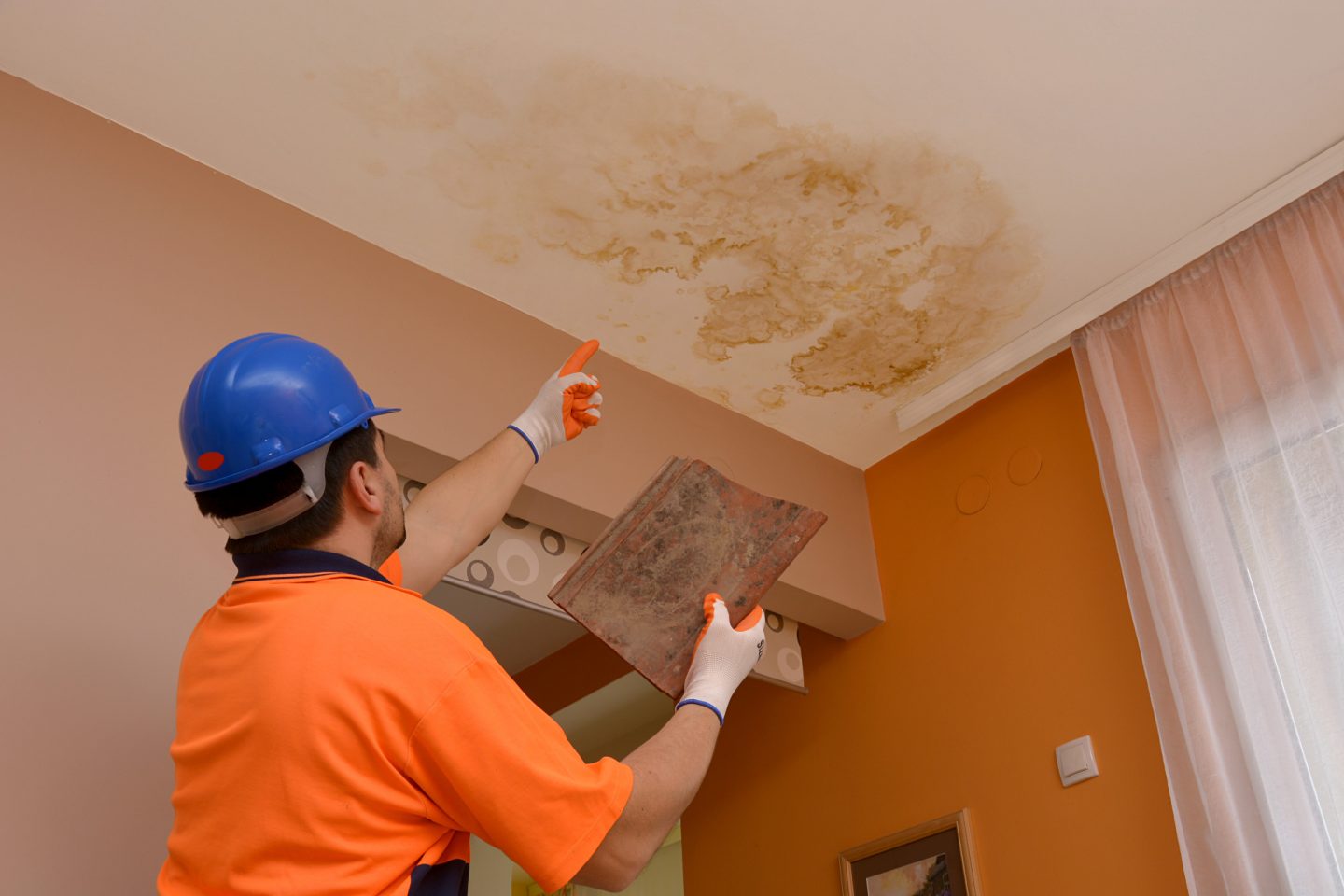
Kitchen leaks can sneak up on you. One day everything looks fine, and the next, there’s a musty smell, soft floorboards, or spots on the cabinet that weren’t there before. The thing about water damage is that it often starts small. A drip under the sink or a loose connection behind the dishwasher might not seem like trouble, but over time that moisture builds up.
That’s why leak detectors in Los Angeles are more than just smart gadgets, they’re a way to catch these problems early, especially in areas where older plumbing and seasonal rain can mix in unexpected ways. Even the most regular kitchen can have hidden leaks. With the right tools and quick action, they don’t have to become major repairs.
What Causes Kitchen Leaks in the First Place
Leaks in the kitchen tend to start in the same few spots. You might not notice them right away, but once the damage shows, it can spread quickly.
- Pipes under the sink can wear down or shift over time, especially in homes with older systems
- Seals around faucets and sinks might crack or dry out, letting small amounts of water slip through
- Hoses connected to dishwashers or refrigerators can loosen or break
- Appliances that move or vibrate, like dishwashers or garbage disposals, may cause fittings to shift
Some leaks are easy to see, like water dripping from a pipe or pooling under the sink. Others hide behind walls or under the floor, making them harder to notice. Those hidden ones can go on for weeks before anyone realizes there’s a problem, and by then, drywall or cabinets could already be damaged.
How Leak Detectors Spot Trouble Before It Spreads
You don’t have to wait until a leak is visible to know it’s there. That’s where leak detectors step in. These small, smart tools sit quietly under sinks or near appliances, and they don’t need running water to alert you. They pick up on moisture as soon as it reaches where the sensor is placed.
Leak detectors in Los Angeles homes help prevent damage from getting out of hand, especially during and after heavy rain, when the ground is wetter and older plumbing systems are under pressure. In houses with aging pipes or past water problems, these devices offer extra peace of mind.
They’re simple, but effective. Most sensors sound an alarm or send a phone alert as soon as they sense moisture. That quick warning can be the difference between drying a cabinet and having to replace it.
Signs You May Have a Hidden Kitchen Leak
Not every leak is loud or obvious. In fact, some signs can feel unimportant until you connect the dots. We’ve seen many clues that point to a hidden leak, and keeping an eye out for these can help catch the issue early.
- Warped or cracked cabinets under your sink
- A steady musty smell that doesn’t go away with cleaning
- Mold or discoloration on walls, especially low near the floor
- Moist areas or soft spots when standing in front of the sink
- Faint sounds of dripping or water running after appliances are turned off
You don’t have to see the water for it to cause damage. If something doesn’t look, feel, or smell right in your kitchen, it’s worth checking out. Small clues often lead to bigger discoveries.
What Happens After a Leak is Found
Finding the leak is only the beginning. Once it’s spotted, stopping the damage needs to happen quickly. The first step is simple: turn off the water if you can. That stops more moisture from spreading.
Then the clean-up moves fast. We figure out where the water has gone and how deep it’s settled. Drying those areas right away is key, waiting too long can give mold a chance to start growing behind cabinets or under floors.
- Remove any water-damaged materials that can’t be saved
- Use drying tools to get moisture out of wood, tile, or wall spaces
- Fix or replace the part of the plumbing that caused the issue
- Keep drying tools in place until everything’s dry, not just on the surface
Handling leaks early means fewer repairs later. A quick fix on a shelf or wall is a lot easier than replacing flooring or dealing with rotting wood.
Keeping Kitchen Leaks from Coming Back
Once everything’s dry and repaired, the focus turns to prevention. Most leaks can be avoided with simple checks. That’s where small daily habits make the biggest difference.
- Check once a month under sinks and near appliance hoses
- Make sure faucet handles, sprayers, and seals aren’t dripping after use
- Look at the floor after running the dishwasher or washing vegetables
- Notice any change in water pressure or appliance sounds
Setting up one or two leak detectors in key spots helps too. They can quietly keep watch while life moves along, alerting you before things get out of hand again.
Why Early Detection Goes a Long Way
Catching leaks right when they start keeps your space safe and feeling like home. It’s not just about avoiding puddles on the floor, it’s about keeping cabinets, walls, and floors from needing full replacements later. The sooner moisture is spotted, the easier it is to clean and repair.
Leak detectors in Los Angeles households do more than sound an alarm. They give you the chance to act fast, and that matters. Water spreads quickly, and stopping it early saves time, money, and stress down the road. That early warning means your kitchen stays dry, comfortable, and working the way it should.
Noticing signs of moisture in your kitchen or feeling uncertain about hidden water issues? Leaks often start small but can quickly lead to major problems, especially when they go undetected behind walls or under cabinets. That’s why we always suggest using trusted tools like leak detectors in Los Angeles to stay on top of hidden water damage before it worsens. At Restoration Masters, we help local homeowners find problem areas early, restore your space the right way, and keep your kitchen safe for years to come. Reach out to us today if something doesn’t seem right or you need expert guidance.