
Spring in Los Angeles usually means a shift in routines. The weather gets warmer, we spend more time outside, and water use often goes up without us really thinking about it. Between watering plants, rinsing off patios, and taking longer showers, our plumbing works harder. That’s when small leaks can start to show up, and if they go unnoticed, they can cause more than just a bump in your water bill. This is why spring is a good time to pay attention to anything that might point to hidden water problems. Los Angeles leak detection becomes especially important right now, as pressure builds on pipes that have been mostly quiet through winter.
Why Springtime Water Use Goes Up
As the sun comes out and people shake off the cool months, water usage tends to spike. It feels natural, windows open, spring cleaning begins, gardens get attention, and hoses finally come back out. More water runs through every part of the home, from bathrooms to backyard spigots.
- Garden beds and lawns often get their first deep watering, especially after a dry winter.
- Kids and pets track in dirt more frequently, leading to extra laundry and showers.
- Spring cleaning puts added pressure on plumbing with dishwasher use, washing machines, and mopping.
While it’s great to reset the house for the season, all this extra water puts older plumbing systems at a greater chance of leaking. That includes pipes that weren’t used as much during the colder months or fixtures that already had minor wear and tear. If the plumbing system is already weak in spots or joints, it doesn’t take much stress to start a leak.
In many Los Angeles homes, fixtures may have sat unused or were barely touched for months. This quiet period can allow small cracks or worn seals to go unnoticed, only to show up when spring arrives and everything comes back to life. Sometimes, valves or outdoor hose bibs are the first places you might spot a trickle. Other times, joints in the main line begin to show weakness as water pressure increases. All of these can become early warning signs, as long as you’re looking for them.
Common Signs of a Hidden Leak After Winter
Leaks can be tricky in spring. A little water in the wrong place doesn’t always seem like an emergency. But these quiet leaks don’t usually stop, they get worse over time. Knowing what to look for helps catch them before they grow into more serious problems.
Watch for signs like:
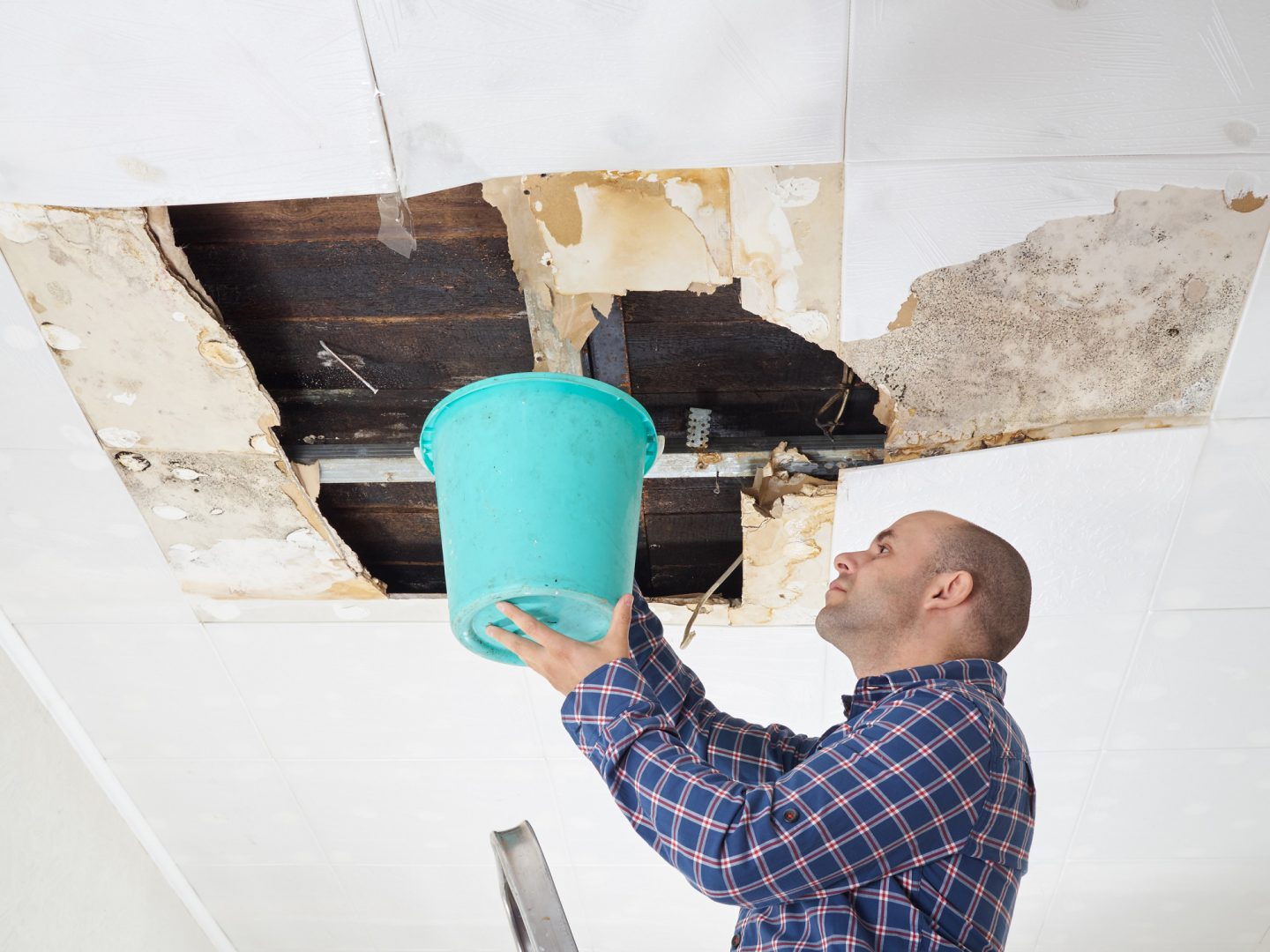
- Water marks on ceilings or walls, especially on lower levels
- A musty smell that sticks around, even after cleaning
- An unusual jump in your water bill
- Soft flooring or warped baseboards
These signs often start subtly. You might not hear water running or see a puddle. Instead, the leak could be behind a wall or under a slab, quietly damaging drywall, insulation, or flooring. If found early, it’s much easier to manage without fixing major parts of the home.
Another potential red flag is small bubbles or flaky paint where moisture has seeped in. In some cases, you might find small patches of mildew along floorboards or near basement corners. These issues can point to an ongoing leak that isn’t getting enough airflow to dry out. Over time, even tiny moisture spots can expand and harm structural materials or lead to mold growth.
Why Leaks in Los Angeles Homes Matter
Los Angeles homes deal with some unique pressure during spring. Even though the rainy season isn’t long, it can dump a lot of water in a short time. If the ground gets saturated, it puts more stress on underground pipes. In some areas, extremely dry soil expands and contracts, which can shift pipe positions underground.
Many homes here also have aging plumbing systems that weren’t built to handle today’s water levels or wear. Depending on the neighborhood, there might be a mix of pipe types and materials, some more likely to leak than others. Spring rain combined with small leaks can eventually reach places water was never meant to go.
It’s common for homeowners to think a leak is just part of a plumbing issue. But even a slow drip can invite mold growth, wood rot, or foundation damage over time. That’s why spotting moisture signs close to spring is worth taking seriously.
In Los Angeles, foundation types can vary, and a leak under the floor or slab can sometimes go unnoticed for a while. Older homes with crawlspaces may see pooling water that isn’t visible from above. Newer homes built on a slab can develop problems if water collects underneath, softening soil and leading to small shifts in the foundation. These problems add up and reinforce the need to keep a close watch for leaks during the spring when water use is highest.
How Professionals Find Leaks Without Tearing Up Your Home
When we check for leaks, most of the work doesn’t involve digging or pulling things apart. Today, there are tools made to locate water problems quickly and precisely, without damaging walls or floors.
- Moisture meters help us figure out where water is staying in the air or materials.
- Thermal cameras can spot changes in temperature that point to hidden leaks.
- Listening tools and pressure tests help detect sounds or changes inside pipes.
When we’re called for Los Angeles leak detection, we use more than just eyesight. We look and listen for the clues water leaves behind. These tools let us zero in on an issue fast, which means there’s less chance of tearing open parts of the home that aren’t affected. The sooner a leak is found, the smaller the fix tends to be.
Another important approach is doing a simple walk-through to notice small cues in different rooms. Sometimes water collects in low spots or leaves tiny mineral traces around pipe joints or fixtures. By comparing water meter readings over a few hours with no water running, we can sometimes spot a slow leak that isn’t obvious elsewhere.
Keeping Plumbing Problems from Returning
Spring is one of the best times to schedule a plumbing review. The weather’s steady, people are home more often, and anything that felt off during winter becomes easier to spot. Keeping up with small checks now can prevent bigger problems when summer heat puts even more stress on water systems.
A few helpful habits include:
- Looking at hose bibs, outdoor faucets, and pipes for drips or signs of wear
- Making sure washing machines and dishwashers aren’t leaving puddles behind
- Checking under sinks and around toilets for damp spots or tiny streams
Spring cleaning doesn’t just mean surfaces. It’s a great reminder to look at the systems that keep water moving where it’s supposed to go. Leaks don’t usually fix themselves, and many grow larger over just a few weeks of extra water use.
Forming a quick checklist before and after outdoor cleanup days can help catch issues. Think about taking a few minutes to look at all outdoor spigots and connecting hoses after you’ve used them in the garden. Sometimes it’s as easy as touching walls or baseboards for cool or damp spots that might not be visible. Paying attention to weak water flow or odd sounds in plumbing can hint at clogs or developing leaks.
Catching Leaks Early Keeps Your Home in Better Shape
The jump in springtime water use often happens without anyone thinking twice about it. But that extra flow through the plumbing system can push weak spots into action. Leaks that start now may not show up fully until serious damage has already happened. That’s why staying aware this time of year matters.
By catching small plumbing issues early, we help protect surfaces, air quality, and long-term comfort inside the home. A small wet spot doesn’t always seem like a big deal, but in many cases, it’s the beginning of a much larger problem hiding behind the walls. Taking time to spot warning signs now keeps everything working smoother as spring turns into summer.
Spring moisture can bring hidden leaks that lead to costly problems if ignored, especially as temperatures rise. At Restoration Masters, we use advanced equipment to find the source quickly without unnecessary damage to your home. Early action is key, so let our trusted team provide reliable Los Angeles leak detection solutions to help protect your property. Reach out today for prompt, professional help.