
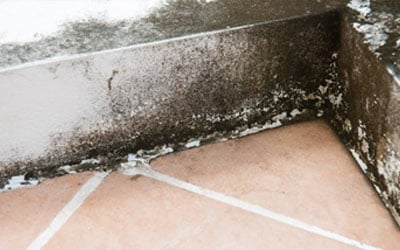
Mold has a way of sneaking into places we don’t always look. In May, when the weather in Santa Monica starts warming up and moisture builds in the air, it’s easy for mold to start growing quietly indoors. Homes and businesses that feel humid or musty could already be dealing with it, even if nothing looks wrong right away.
That’s why it helps to catch the signs early. Spots on the wall, strange smells, or a sudden drop in air quality might be trying to tell us something. Knowing what to look for can make all the difference in deciding if mold remediation in Santa Monica is needed. Stopping mold early means we can keep our spaces safer and more comfortable as the weather heats up.
When Walls and Ceilings Start Telling You Something
Some of the first clues often show up where we least expect. Walls or ceilings with cracks, discoloration, or paint that’s peeling could mean there’s moisture inside. Rooms near bathrooms, laundry areas, or kitchens are more likely to have trouble, especially if the plumbing isn’t perfect.
- Bulging drywall or spots that look damp might be signs of trapped moisture
- Musty smells that never go away often point to mold growing out of sight
- Even if the surface looks clean, water damage beneath can hide mold patches
In older homes, or buildings that had leaks before, mold might be sitting behind tiles or under flooring. These signs are easy to ignore but can grow into bigger problems if skipped over.
Trouble with Breathing Indoors
Sometimes we can sense something isn’t right even before we see anything. If people inside a home or workplace are coughing more than usual or feeling like the air is heavy, it could be mold in the air. This is especially true for people with allergies or who feel worse when staying indoors.
- Mold spores can float through the air without being seen
- High humidity inside can make breathing feel harder and rooms feel stuffy
- Places that never quite smell fresh may be holding on to hidden mold
A sudden need to crack open windows or use fans constantly might be a reaction to indoor air that’s being affected by mold. These early signals are worth paying attention to before they turn into health issues.
Air Conditioners, Vents, and Moldy Smells
HVAC systems can sometimes spread mold without us knowing. When an AC turns on and there’s a musty smell, it’s not always just dust. The air ducts and vents that move cool air might also be moving mold spores into every part of the building.
- Vents with black spots or stains around them may have moisture nearby
- Air that smells strange when the system runs could be a sign
- Mold can grow inside ducts, especially if they haven’t been cleaned in a while
Filters help, but they might not catch everything once spores take hold. Checking ducts and vents is a key part of understanding where indoor air issues might be starting.
Past Water Damage That Was Never Fully Fixed
Winter storms and old leaks don’t just go away when they dry. If a building had water damage earlier in the year, mold might be lingering under the surface. Even floors and walls that look clean can still have trapped moisture inside.
- Drywall, insulation, or carpets left wet too long can grow mold underneath
- Spaces that were flooded in the past may develop mold months later
- Hard-to-reach corners, closets, or floors might have mold even if they feel dry
This is especially common in older homes or structures where repairs focused on drying out the space but didn’t include a deeper check for mold. Any water that wasn’t completely cleared out could turn into a mold problem once spring brings higher humidity.
Mold in Shared or Commercial Spaces
Places used by lots of people or shared by businesses can carry bigger risks. Mold can start in one area, then move into others while no one notices right away. Storage rooms, shared laundry areas, or breakrooms may not be on anyone’s everyday radar, but they can be trouble spots.
- Baseboards, corners, and ceilings in shared hallways can hide signs of water damage
- In older office buildings, dripping pipes or broken ventilation can lead to mold growth
- If one part of a commercial space smells off, other rooms might already be affected
Buildings that don’t get enough fresh air or have windows that stay closed most of the time are often more likely to be holding onto indoor humidity. That gives mold the quiet conditions it needs to spread.
Stay Ahead Before Summer Hits
Late spring is a smart time to check for mold, especially in Santa Monica, where hot, coastal weather is just around the corner. Summer brings more heat, and that can push moisture deeper into places where mold already exists.
Letting small damage sit now might seem harmless, but if mold has already started, it won’t stop on its own. The longer it’s left alone, the more it can grow. We’ve seen how hidden mold can take over before anyone realizes it’s there.
Knowing the warning signs helps us stay a step ahead. By noticing strange smells, changes in air quality, or physical signs on walls and vents, we can take early action. It’s one of the most effective ways to keep our buildings healthy and comfortable as the seasons shift.
At Restoration Masters, we understand how quickly mold can spread in Santa Monica, especially in spaces with hidden water damage, musty smells, or ventilation issues that are easy to overlook. Stuffy air and unpleasant odors are clear signs it’s time to address the problem before the summer heat sets in. For expert mold remediation in Santa Monica, reach out to our team today to protect your property and restore peace of mind.