Fire recovery is not a single choice between cleaning up and starting over. After a fire, you need to know which parts of your property can be safely restored and which materials must be rebuilt. Fast action can limit smoke, soot, water, odor, and mold damage, but safety always comes before saving a wall, floor, or personal item.
At Restoration Masters, we begin with a professional assessment so you have a clearer path forward. We serve residential and commercial properties across Los Angeles, Orange, Riverside, and Ventura counties, helping property owners understand whether after-fire cleanup, reconstruction, or a combination of both is the right response.
Protect Your Property and Choose the Right Recovery Path
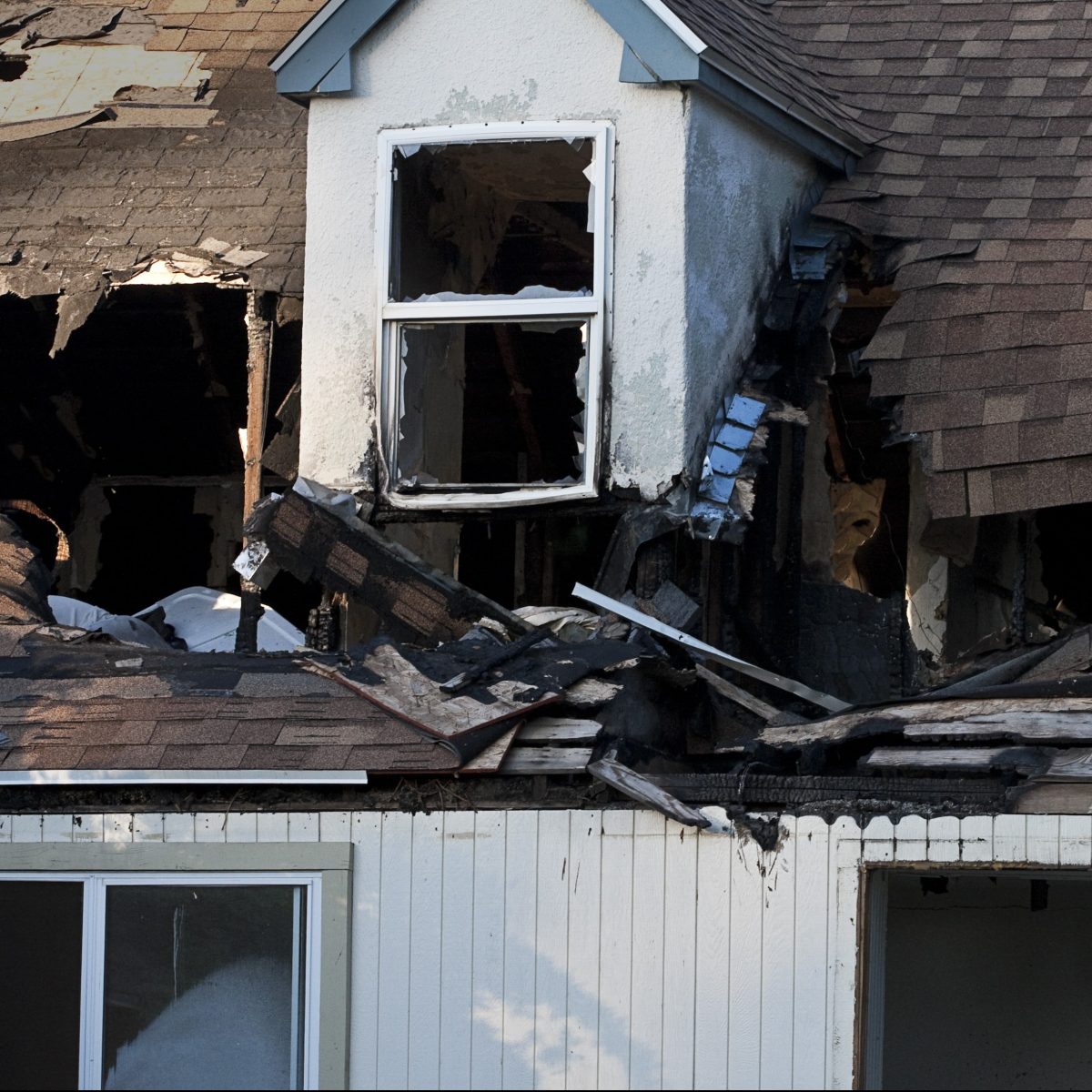
The first hours after a fire can feel overwhelming. There may be visible charring and debris, but hidden damage is often just as serious. Smoke can move through walls and HVAC systems, while water from firefighting can soak into flooring, insulation, and cabinets.
Before anyone begins moving belongings or wiping surfaces, we recommend securing the property and having the damage reviewed. A home, rental unit, office, retail space, or larger commercial facility may have hazards that are not obvious from the doorway. The right recovery plan starts by separating what is safe to clean from what is no longer safe to keep.
Start with Safe After-Fire Cleanup and Assessment
After-fire cleanup begins with safety, not a mop and a trash bag. Fire can weaken framing, damage electrical systems, crack ceilings, break windows, and leave contaminated debris behind. Standing water may also be present after firefighting efforts, creating slip hazards and moisture concerns.
Our assessment looks at the full picture before cleanup starts. We check affected materials, visible fire damage, smoke travel, soot buildup, water exposure, and areas that may need to be sealed off. This helps prevent people from entering unsafe spaces or accidentally disturbing materials that should be removed by trained professionals.
When the building materials remain structurally sound, professional cleaning may restore a surprising amount of the property. After-fire cleanup can often address:
- Surface soot, ash, and extinguisher residue
- Smoke odors on walls, floors, and contents
- Water left behind from fire suppression efforts
- Salvageable furniture, documents, and personal belongings
- Minor cosmetic damage to surfaces that can be safely cleaned
Cleaning works best when it begins promptly. Soot can settle into porous materials, and smoke odor can spread through the property over time. Water can also create conditions for mold if it is not dried properly. We strongly recommend avoiding household cleaners or regular vacuuming on soot. Those methods can spread fine particles, push residue deeper into materials, and make the cleanup harder.
Recognize When Reconstruction Is the Safer Choice
Some materials cannot be cleaned back into safe condition. Reconstruction becomes necessary when fire has damaged the structure or affected systems that your property depends on. Severe charring, warped framing, burned drywall, melted wiring, roof damage, and weakened support areas may require demolition and rebuilding.
No amount of cleaning can make unsafe materials code compliant again. That is why we do not treat reconstruction as a failure of cleanup. It is often the safer, smarter choice when damage has gone beyond the surface.
Reconstruction does not always mean rebuilding the entire property. In some cases, we may find that only one section needs replacement, such as a kitchen, bathroom, roof area, wall system, or damaged room. Other losses may affect several connected spaces and require a broader rebuild. Our role is to help define the scope so you can see which areas may be cleaned, which need replacement, and what order the work should follow.
Older Southern California properties can also have outdated systems revealed by fire damage. Reconstruction may allow damaged electrical wiring, plumbing, insulation, or interior finishes to be replaced as affected areas are brought up to current requirements. Permits, building codes, and professional workmanship all matter when the property’s safety is on the line.
Coordinate Cleanup and Insurance Decisions
Documentation should happen before major cleanup or demolition when it is safe to do so. Clear photos and videos of fire, smoke, soot, and water damage can help create a record of what happened. We also recommend keeping a written list of damaged belongings, receipts when available, and restoration assessments.
If possible, do not discard damaged items until your insurer confirms how they should be handled. Even items that look beyond repair may be part of the claim record. We can help identify what appears salvageable, what needs specialized cleaning, and what may need to be removed.
A detailed restoration plan helps separate different parts of the recovery process, including:
- Emergency property protection and safety steps
- After-fire cleanup, drying, and odor treatment
- Content cleaning and restoration needs
- Demolition of unsafe materials
- Replacement and reconstruction of damaged areas
Clear documentation also helps insurers, property managers, contractors, and owners stay on the same page. For commercial properties, this can be especially helpful when tenant access, inventory, employee safety, or temporary operations are involved. A well-organized scope of work reduces confusion and gives everyone a more realistic view of the recovery process.
Prepare for Fire and Rain Risks During the Holiday Season
November brings holiday activity, and it is a good time to stay aware of fire risks tied to cooking, decorations, and busy commercial spaces. Dry vegetation and Santa Ana winds can also make fire concerns more serious in Southern California.
Rain can add another problem after even a small fire. If flames or firefighting efforts have damaged a roof, window, siding, or exterior wall, water may enter the property before permanent repairs are complete. That moisture can spread beyond the original fire area and affect drywall, flooring, insulation, and stored belongings.
We recommend prompt professional mitigation to protect the building while cleanup or reconstruction decisions are being made. This can include boarding damaged openings, covering compromised roof areas, removing wet materials, addressing unsafe utilities, and watching for lingering smoke odor or moisture problems.
For commercial owners, recovery should also consider business continuity. Securing the building, protecting equipment and inventory, restoring safe access, and planning temporary repairs can help limit disruption while larger reconstruction work is underway.
Choose a Recovery Plan That Protects What Comes Next
The right choice depends on the extent of fire, smoke, soot, water, and structural damage. After-fire cleanup can restore many surfaces and belongings when the building remains safe and sound. Reconstruction is necessary when important materials or systems have been compromised beyond repair.
A professional inspection gives you a safer foundation for every decision that follows. Acting promptly, documenting damage carefully, and addressing both visible and hidden concerns can help protect your property from further loss while creating a clearer plan for recovery.
Restore Your Property With a Clear Next Step
Restoration Masters provides coordinated after-fire cleanup services to help prepare your property for the work ahead. Our team can assess affected areas, remove damaged materials, and support a smoother transition into reconstruction when needed. Contact us to discuss your property’s restoration needs and request professional assistance.