
Hidden Risks After "Minor" Leaks in Los Angeles Homes
A small leak in a Los Angeles condo or house can seem like no big deal. Maybe the fridge line dripped for a day, or the A/C left a wet spot by the closet. You wipe it up, aim a fan at it, and move on. A few weeks later, there is a musty smell you cannot trace or a faint stain that keeps coming back.
This is how many hidden mold problems start. Our dry Southern California weather tricks people into thinking a little water will just disappear. In reality, that moisture can get trapped inside walls, under floors, or behind cabinets where the air never really dries it out. That trapped moisture is exactly what mold needs.
So, when is mold remediation in Los Angeles actually necessary after a small leak, and when is a quick cleanup enough? We will walk through how fast mold can grow, warning signs to watch for, when professional help makes sense, and how to protect your home or business in Los Angeles, Orange, Riverside, and Ventura counties.
How Fast Mold Can Grow After a Small Leak
Mold does not need a flood to start growing. It only needs moisture and something to grow on, like drywall, carpet, or wood. Once those materials are damp, mold can begin to grow in as little as one to two days, especially in areas with poor airflow.
Even though our region feels dry, local conditions still favor mold growth. Coastal humidity and the marine layer near the beaches can keep moisture lingering longer than expected. Warm fall days followed by cooler nights can also create condensation that quietly feeds mold. On top of that, tightly sealed windows and doors can trap indoor moisture, and everyday activities like long showers, cooking, and laundry all add humidity inside.
Small leaks often hide in places you do not see right away. Common examples include pinhole leaks in copper or plastic plumbing lines, slow roof drips after the first fall rain, HVAC condensate lines that clog and overflow, and appliance supply lines behind fridges, dishwashers, and washers.
When water gets into wall cavities, below laminate or wood flooring, or into insulation, the surface can look dry while the inside stays damp. That hidden moisture is a perfect spot for mold to grow quietly until it is large enough to cause damage that you finally notice.
When a Small Leak Becomes a Big Mold Problem
Not every minor leak turns into a major mold issue, but many do. The trick is knowing the warning signs before the damage spreads. Common red flags include:
- A musty or earthy odor that does not go away
- Discoloration, yellow or brown stains, or shadows on walls and ceilings
- Bubbling or peeling paint and wallpaper
- Warped or swollen baseboards, cabinets, or floors
- Water spots that return after you thought the area was dry
Your body can also give you clues. Some people notice sneezing, a runny nose, or itchy eyes that feel worse indoors. Others experience coughing, wheezing, or tightness in the chest, and some develop headaches or fatigue that improve when leaving the property.
These symptoms can be tougher for children, older adults, and anyone with asthma or other breathing issues. While we are not medical professionals, we always suggest speaking with a healthcare provider if you think your health is being affected.
Certain risk factors make professional mold remediation in Los Angeles more likely to be needed. For example, the odds increase if the leak continued longer than a day or two, if porous materials like drywall, carpet, or insulation were affected, if more than one room or floor was involved, or if water traveled along framing, electrical lines, or ductwork.
In multifamily buildings and commercial spaces, mold can spread between units or into shared walls and ceilings. That can impact indoor air quality for many people, not just one family or office.
DIY Cleanup vs. Professional Mold Remediation in Los Angeles
Many owners want to handle small water issues themselves, which is understandable. For truly minor leaks, that can work, as long as the situation is very limited and dried quickly. A DIY approach might be reasonable when:
- The leak was stopped within hours
- Only hard, non-porous surfaces like tile or sealed concrete were wet
- The area is small and fully accessible
- There is no musty odor and no visible mold growth
Even in those cases, it helps to be cautious. What looks dry on the surface might still be wet inside walls or under flooring. If things do not seem right, it is safer to have a professional check.
Professional help becomes important when you notice:
- Visible mold larger than a patch about the size of a bath towel
- Strong musty odors without seeing where they come from
- Repeated leaks in the same spot
- Signs that mold might be inside HVAC systems or ductwork
A reputable mold remediation company in Los Angeles will typically:
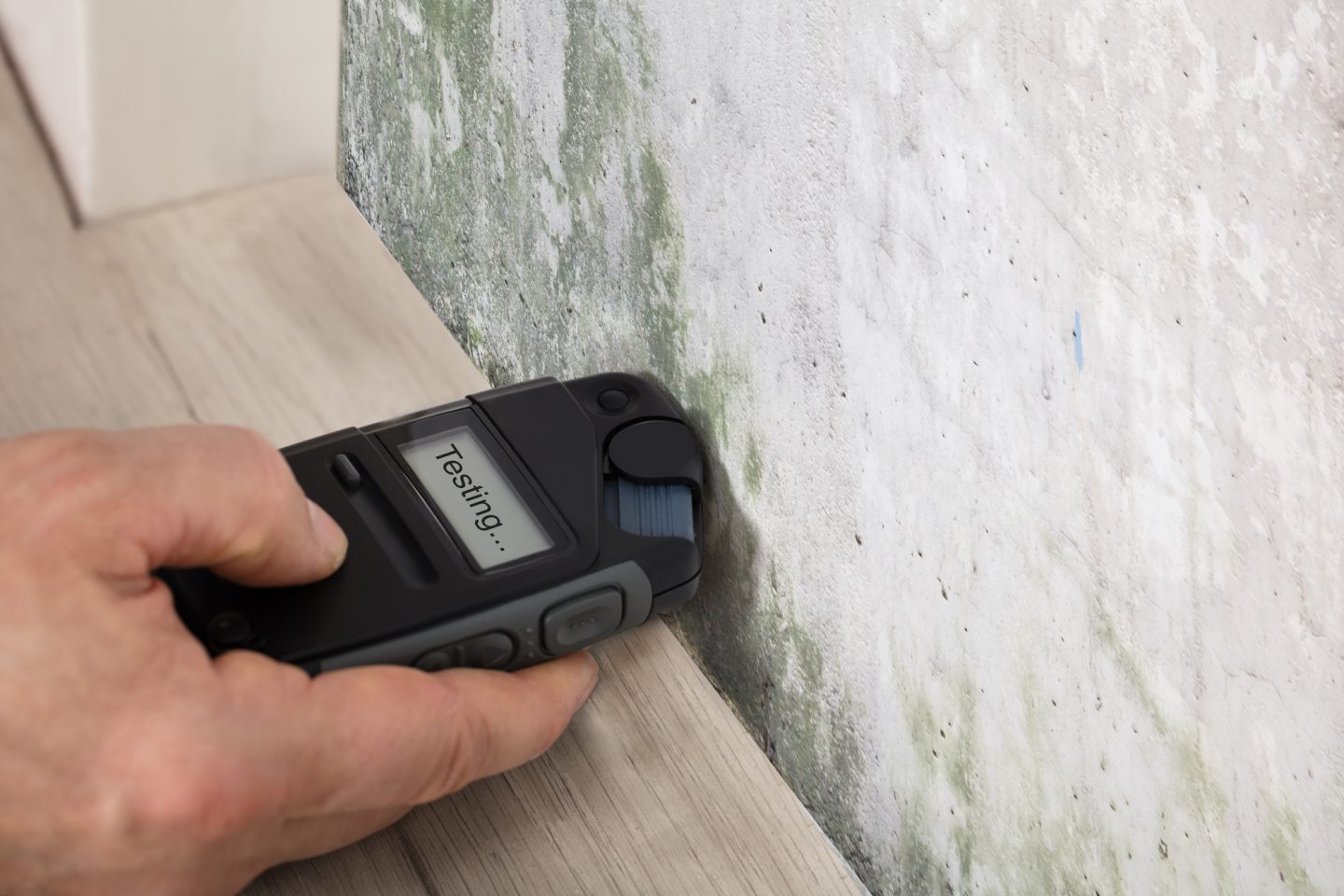
- Inspect and find moisture with specialized tools
- Set up containment to keep spores from spreading
- Use air filtration to help clean the air
- Safely remove damaged materials that cannot be saved
- Thoroughly dry the area and check moisture levels
Following industry standards and local rules helps protect people living or working in the building. It also helps you avoid cross-contamination and future problems with disclosure and resale.
Fall Weather, Storms, and Seasonal Mold Risks in LA
Fall in Southern California comes with shorter days, school and work routines, and the start of the holiday season. It is also when we often see the first real rain after months of dry weather. That first rain has a way of revealing problems that were hiding all summer.
Common fall leak sources include:
- Small roof leaks that drip along rafters before showing inside
- Window frame leaks that soak the wall beneath
- Balcony and sliding door leaks that run under flooring
- Cracks around stucco or exterior walls that let water in
Because many homes and condos stay closed up more as schedules get busy, indoor humidity from daily life can build up. Holiday cooking, large gatherings, long showers from guests, and more laundry can all add moisture to a home that already has hidden water damage.
This season is a good time to do a simple check around your property:
- Look under sinks and around plumbing lines
- Check behind or beside appliances where you can
- Peek into attics or crawl spaces for stains or damp spots
- Inspect areas near windows, doors, and balconies after a rain
- Pay attention to any new musty odors that appear
If you see or smell moisture issues, it is better to act sooner instead of waiting for visible mold.
Protect Your Property with Prompt Mold Action
The big takeaway is simple, even small leaks in Los Angeles can lead to mold if moisture is not removed quickly and completely. When water gets into porous materials or stays hidden for more than a short time, the risk grows. What could have been a quick fix can turn into a larger project if it is ignored.
A quick decision checklist can help you think it through:
- How long did the leak last?
- How big is the affected area?
- What kind of materials got wet?
- Is any mold visible?
- Is there a musty smell?
- Are there any health or breathing concerns?
If you are unsure, that is what we are here for. At Restoration Masters, we work with homeowners and business owners across Los Angeles, Orange, Riverside, and Ventura counties to track down leaks, find hidden moisture, and handle mold problems the right way. A proactive inspection before the rainy season gets going can catch small issues early, protect your property, and help you avoid bigger mold remediation needs later on.
Protect Your Property With Fast, Professional Mold Removal Today
If you see signs of mold in your building, Restoration Masters is ready to help you act quickly and safely. Our specialists provide targeted mold remediation in Los Angeles to stop damage, protect indoor air quality, and keep your operations running. Reach out to our team today to discuss your situation, schedule an inspection, or request 24/7 emergency service through our contact page.