
Hidden Clues Your Building Has a Water Problem
Water damage in Los Angeles condos and apartments rarely starts with a dramatic flood. It usually begins with tiny changes that are easy to miss: a faint stain, a strange smell, a soft spot in the wall. In multi-unit buildings, those small clues can grow into big headaches for tenants, HOAs, and property managers if they are ignored.
Shared walls, stacked plumbing, rooftop equipment, and common areas all make condo and apartment buildings more complicated than single-family homes. A leak in one unit may actually start in another, or in a common pipe hidden between floors. That is why catching early warning signs is so important. It can help prevent major repairs, arguments over who is responsible, insurance trouble, and health problems from mold.
In this guide, we will walk you through specific early signs of water trouble that show up in units and in shared areas. We will also point out which clues should make you bring in a 24/7 restoration professional before the first fall rains turn a small issue into a building-wide problem.
Subtle Indoor Signs Tenants Often Ignore
Inside a condo or apartment, water damage often whispers before it shouts. The signs can be small and easy to brush off as “just old paint” or “normal building smells,” especially in older Los Angeles buildings.
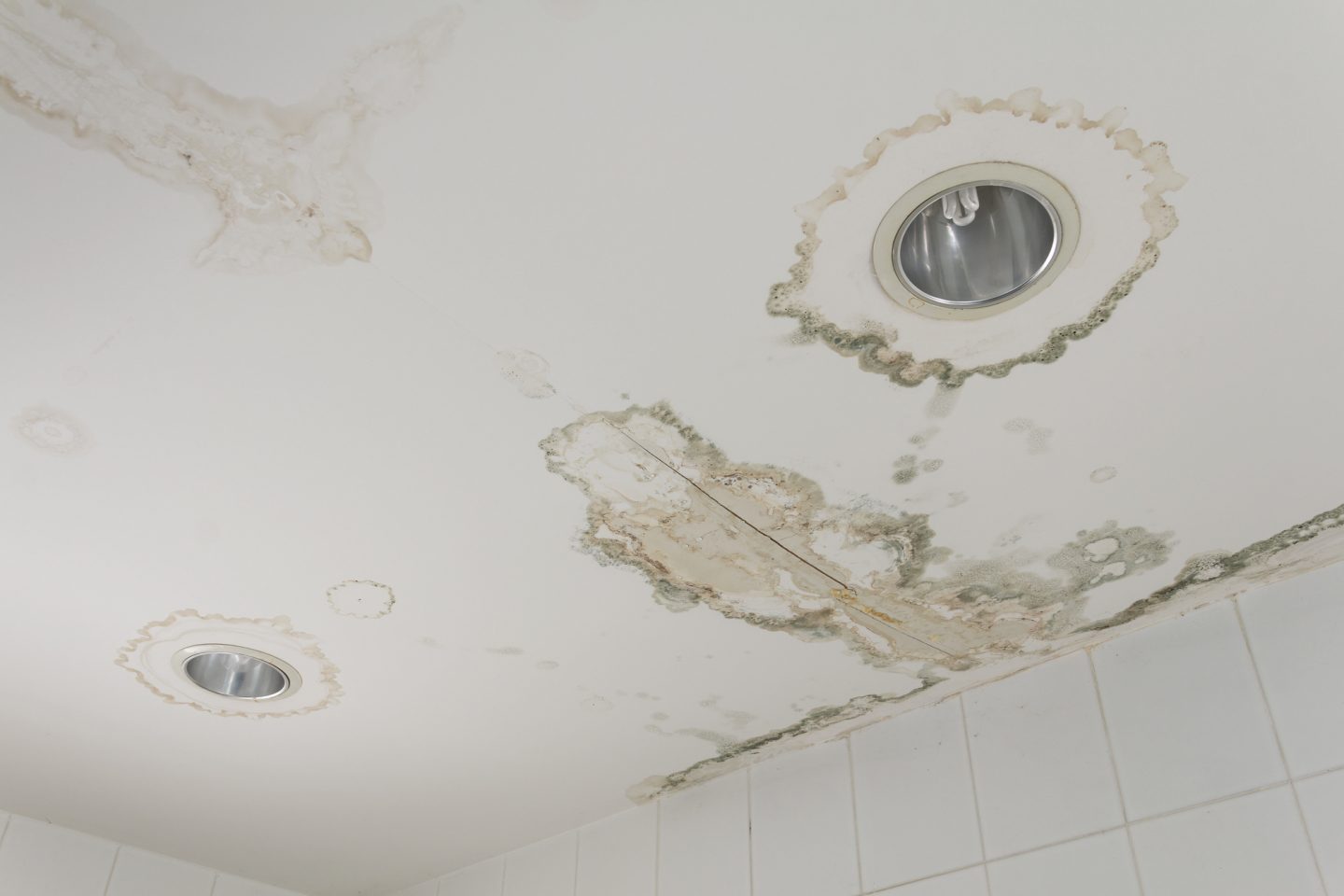
Wall and ceiling changes are often the first hint. Watch for faint yellow or brown rings on ceilings or around light fixtures, tiny bubbles or ripples in paint or texture, hairline cracks, or drywall that feels soft, spongy, or crumbly when lightly pressed. You may also notice “shadow lines” or darker wall patches that do not match natural light patterns.
Floors can also reveal hidden leaks, especially around kitchens, bathrooms, and laundry areas. Look for cupping or warping on laminate boards, vinyl planks with lifting edges or corners that no longer lie flat, loose tiles, cracked grout, or a hollow sound when tapped. Carpet may feel damp, smell musty, or look darker near walls or windows where moisture can collect.
Your senses are tools too. Pay attention to musty or earthy odors that persist in one room, closet, or corner; cool or slightly damp spots on walls, floors, or near baseboards; and intermittent dripping or trickling sounds inside walls or ceilings even when fixtures are off.
In rentals and HOA buildings, tenants should report these signs right away, in writing and with photos if possible. Waiting can make the damage spread into other units or common areas, lead to disagreements about who pays for repairs, put security deposits at risk if owners claim “neglect,” and confuse whether the HOA, landlord, or unit owner is responsible. Early reporting gives boards and property managers a chance to stop the problem at the source instead of arguing later about who knew what and when.
Building-Wide Warning Signs in HOA Common Areas
Not all water damage in Los Angeles shows up inside units. Common areas often reveal building-wide issues that affect multiple homes at once, and those clues are easy to miss when no single resident “owns” the space.
In hallways and lobbies, keep an eye out for:
- Discoloration or sagging on ceilings below upper units or roof decks
- Rust stains or rings around sprinkler heads or fire system pipes
- Peeling paint, bubbling texture, or swollen drywall near fire riser rooms
- Damp, stained, or warped baseboards along shared walls
Laundry rooms, gyms, storage rooms, and utility spaces often show repeated moisture patterns rather than one obvious event. Early clues include regular condensation on walls and ceilings (even in dry weather), standing water or rust on the floor near water heaters or supply lines, corroded valves or fittings, and the same “mop-up” spots that reappear week after week.
Parking garages and sublevels are easy to ignore, but they can point to serious long-term intrusion. Watch for:
- White, powdery buildup on concrete (efflorescence) that keeps returning
- Rusted rebar showing through concrete, or corroded metal supports
- Puddles that appear even after days of dry weather
- Staining or damp patches directly under pool decks, planters, or courtyard areas
For HOAs and property managers, it helps to ask whether the leak is tied to a building system or to a single unit. Common area pipes, roofs, and structural elements are usually association responsibilities. Regular walk-throughs by maintenance staff or board members can catch these signs before they turn into structural repairs or widespread mold.
Los Angeles-Specific Risk Zones to Watch Closely
Fall in Los Angeles often brings the first real rain in months. That is when building issues that stayed quiet all summer start to show themselves, especially where water can sit, back up, or find small openings into the building envelope.
Some high-risk areas in local condos and apartments include:
- Roofs with clogged drains or scuppers that let water pond, and slowly seep inside
- Balconies with hairline cracks in stucco or tile, or soft, crumbling spots near edges
- Staining beneath parapet walls, balcony edges, and decorative ledges
- Stucco with spider-web cracks or darker streaks below windows or railings
Plumbing and HVAC systems in multi-story buildings also need attention because leaks may travel through chases and shared walls before anyone sees the damage. Common red flags include:
- Aging cast iron or galvanized pipes in vertical risers that are more prone to slow leaks
- Noisy, banging, or vibrating pipes in walls that hint at pressure or support issues
- AC condensate lines above ceiling spaces that can clog and drip unnoticed
- Rooftop HVAC or mechanical equipment that leaks and sends water into shafts and chases
Dense construction, older buildings, and frequent remodels mean many Los Angeles condos and apartments have hidden connections and patched pipes. That often leads to long-term, low-level leaks instead of one big burst. By the time a stain or smell shows up, water may have been traveling behind surfaces for a long time.
Mold, Odors, and Health Clues You Should Never Dismiss
Water damage and mold go hand in hand, especially in closed spaces like closets and shared walls. Sometimes the first signs show up in how a room feels or how people feel, not in what you can clearly see.
Watch for subtle mold indicators like:
- Recurring “allergy” symptoms that seem worse in one room than the rest of the home
- Darkened or stained caulk around tubs, showers, and backsplashes
- Tiny black or green specks along baseboards or in closet corners
- Spots on window frames where condensation has been sitting
Persistent odors are another red flag. Musty, earthy smells that stay even after cleaning, airing out, or using fragrance can point to moisture trapped behind surfaces. Pay extra attention to odors near shared walls, under sinks, behind washing machines, or in community areas like trash rooms, electrical rooms, and utility spaces where smells never fully clear.
Mechanical and ventilation problems can also hint at hidden moisture, especially when air movement is poor or condensation forms where it should not. Clues include moisture or staining around bathroom fans or ceiling vents, drips from overhead ductwork in hallways or other common areas, and condensation on the inside of window panes even when the weather is mild.
In HOA and rental settings, it is important to document both odors and health complaints because those details often help narrow down where the moisture is coming from. Tenants can:
- Note dates, times, and locations of smells or symptoms
- Take photos of any visible spots or staining, even if small
- Send written reports to property management or the HOA board
Mold investigations often start with these subtle clues and then trace back to the hidden source of water damage in Los Angeles multifamily buildings.
When a Small Suspicion Deserves a 24/7 Expert Call
A small stain or faint smell might not feel like an emergency, but waiting can turn a simple fix into a major disruption for an entire building. The goal is to create a clear record early and get the issue in front of the right decision-makers before water spreads through shared materials and cavities.
Tenants and owners can protect themselves by:
- Taking clear photos of any stains, warping, or visible mold as soon as they appear
- Writing down dates, times, and any changes they notice
- Providing written notice to landlords, property managers, or boards instead of only mentioning issues in passing
For HOAs and property managers, some situations should move straight to a professional moisture inspection instead of “wait and see”:
- Multiple units in the same stack reporting similar stains or smells
- Ceiling stains that return in the same spot after prior “repairs”
- Any leak that has happened more than once in the same area
- Water staining or dampness near electrical systems, fire sprinklers, or alarm equipment
A qualified restoration company can use non-invasive tools for leak detection, moisture mapping, and hidden water tracking. That means finding the real source of the problem, drying affected areas correctly, and handling repairs and reconstruction so units and common spaces are safe and usable again.
For condo and apartment communities across Los Angeles, Orange, Riverside, and Ventura counties, early action is the best protection. A single suspicious stain, smell, or drip might be the only warning you get before fall storms reveal a much bigger issue behind the walls.
Get Started With Your Project Today
If your property has experienced water damage in Los Angeles, we are ready to respond quickly and help minimize disruption to your home or business. At Restoration Masters, we assess the damage, create a clear restoration plan, and keep you informed at every step. Reach out today so we can begin restoring your property and protecting it from further issues, or contact us to schedule an inspection.