
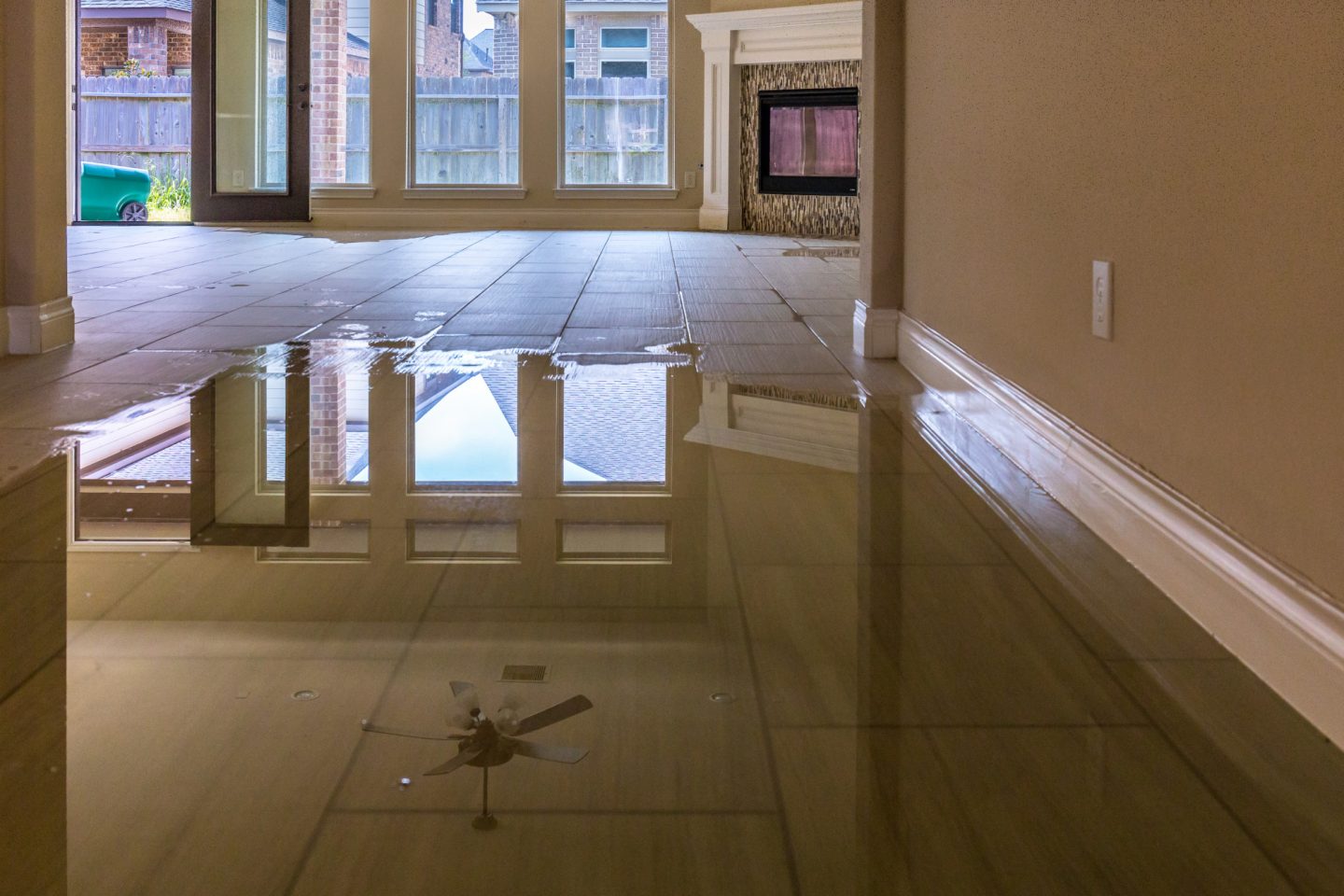
Protecting Your Rental Income When Water Disasters Hit
Water damage in Los Angeles is one of the fastest ways to lose sleep as a landlord. It can start with a small drip from a ceiling or a slow leak under a sink, then turn into a big problem with angry tenants, habitability complaints, and units that sit empty while everyone argues about who is responsible.
Without a clear emergency plan, even a quick plumbing leak can grow into mold, damaged finishes, and long insurance delays. Rent payments can be withheld, repairs can drag out, and you can end up paying for hotels or temporary housing. A little planning now is much easier than trying to fix everything in the middle of an active leak.
Our goal here is simple: give Los Angeles-area landlords a practical checklist for lease language, tenant communication, and vendor readiness. This helps you get ready before the fall rains, Santa Ana winds, and winter storms that often bring surprise roof and plumbing issues to our warm, sunny region.
Understanding Water Damage Risks in Los Angeles Properties
Rental properties in and around Los Angeles face some specific water issues. Even with mostly dry, warm weather, water shows up in sudden, messy ways. Common risks include:
- Flat roofs with clogged drains during fall rainstorms
- Aging supply lines and slab leaks in older foundations
- AC and sprinkler line failures in mid-rise and high-rise buildings
- Balcony and courtyard drains blocked with debris
Different property types have different weak spots. For example, single-family rentals often deal with older pipes, tree roots in sewer lines, and leaking water heaters. Duplexes and small plexes tend to have shared walls and stacks where one leak hits several units. Large apartment communities are more vulnerable to main line breaks, roof drains, and sprinkler activations that affect many residents at once.
When water damage in Los Angeles rental housing is not handled fast, it can trigger habitability complaints, code inspections, and forced tenant relocations. California Civil Code allows certain emergency repairs to move forward quickly, but you still must give proper notice whenever possible, protect tenant safety, and act in good faith. Delays can mean more damage, more mold, and bigger repair scopes.
Lease Clauses That Protect You Before a Leak Starts
Your lease is your first line of defense. Clear water-related clauses set expectations before anyone signs. Key topics to cover include:
- Tenant duty to report leaks promptly, including drips, wet spots, or musty smells
- Permission for entry to handle emergency repairs, with sample notice language
- Responsibility for tenant personal property if damage comes from a leak
- Terms for temporary relocation, such as moving to another unit if available
It also helps to spell out insurance expectations so tenants understand what is and is not covered. You can require renters insurance for tenants, clarify that your policy usually covers the structure (not tenant belongings), and encourage tenants to document their contents with photos and simple lists.
For mold and moisture, you can add clear expectations about daily habits and fast reporting. This can include the tenant duty to use fans and ventilation in bathrooms and kitchens, the duty to report visible mold, condensation, or damp carpets right away, and a clear note that professional remediation will be used when needed to help keep the home safe and healthy.
These clauses do not stop a leak, but they give you a stronger base when you need fast access, clear communication, and cooperation with repairs.
Tenant Communication Plans That Work in Real Emergencies
When water starts pouring, tenants need to know exactly what to do. A simple, clear communication ladder helps avoid panic and confusion. You can outline:
- Who tenants call first for leaks during business hours
- Who they call after-hours
- When they should contact 911, such as electrical hazards or structural danger
- When they can contact building management or a listed restoration vendor directly
To make sure the message actually reaches people, use more than one channel so the instructions are hard to miss:
- Posted signs in lobbies, mailrooms, and laundry rooms
- Fridge magnets or small cards in each unit with emergency numbers
- Emergency instructions included in lease addenda
- SMS or email alerts for storm warnings or building-wide issues
Seasonal education can help a lot, especially late summer and early fall. A short reminder to report issues early can prevent a small problem from becoming a full restoration project. Encourage tenants to report:
- Roof drips or ceiling stains
- Window leaks during windy rain
- Slow drains and gurgling toilets
- Any new musty odor or soft wall areas
The clearer and calmer your plan, the faster tenants will act when trouble starts.
Building a Ready-to-Respond Vendor Team Before Disaster
Scrambling to find help while water is already spreading is stressful and risky. Landlords do better when they have a pre-vetted, 24/7 restoration partner in place before the first storm cloud. Things to look for in a vendor include:
- True emergency availability, day and night
- Experience with multifamily and commercial properties
- Comfort working with insurance adjusters and property managers
- Ability to respond across Los Angeles, Orange, Riverside, and Ventura counties
Once you choose partners, create a simple vendor dossier and share it with all managers so response does not depend on who is on-site that day. Include:
- Primary and backup contacts, with direct numbers
- After-hours procedures
- Any gate codes or access notes
- Preferred communication method, such as calls plus email summaries
- Pre-approved spending limits for emergency mitigation so work can start right away
This way, when something breaks, no one is asking, “Who do we call now?”
Step-by-Step Emergency Action Plan for Landlords
A written response flowchart keeps everyone calm and on task. Even a one-page plan can make a big difference when water is moving fast. A basic order of actions is:
- Stop the source if it is safe, like closing a local shutoff valve
- Protect life safety by turning off power in affected areas if needed
- Document the damage with time-stamped photos and short videos
- Call a restoration provider for emergency mitigation
- Notify your insurance carrier or broker
- Communicate with affected tenants about next steps
Different scenarios call for small tweaks, and it helps to describe them in plain language so staff are not improvising under pressure:
- Upstairs overflow into a downstairs unit: stop the fixture, protect belongings below, open ceiling carefully as guided by professionals
- Main line breaks affecting several units: shut off the main if possible, secure hallways, start extraction in common areas quickly
- Roof leaks during heavy rain: place catch buckets where safe, protect elevators and electrical rooms, work with pros on safe temporary coverings
- Sprinkler discharges: keep tenants at a safe distance, limit traffic in wet areas, preserve sprinkler heads and parts for adjusters
Documentation and coordination are your friends. Keep incident reports, unit entry logs, and email records. When you team up with an experienced water damage company that knows Los Angeles codes and building types, claims and repairs often move more smoothly.
Seasonal Readiness Checklist Before Fall and Winter Rains
As fall arrives, it is a good time to walk properties and update your plan. A short checklist helps you spot small problems before storms and Santa Ana winds. Pre-rainy-season inspection ideas include:
- Check roofs and gutters for debris and obvious damage
- Clear balcony, courtyard, and parking structure drains
- Inspect caulking and seals around windows and doors
- Test sump pumps and drainage paths where installed
- Verify that shutoff valves are labeled and reachable
It also pays to prepare for the first few hours of a water event, when speed matters most. Pre-stock useful supplies and documents so your on-site teams are not waiting on deliveries or trying to hunt down paperwork:
- Wet vacs and mops for on-site teams
- Tarps and plastic sheeting for quick protection
- Sandbags in areas known for pooling water
- Tenant emergency flyers and reminder cards
- Hard copies of vendor contacts and insurance summaries for on-site managers
Consider running a simple annual drill. This does not need to be complicated, but it should confirm that everyone knows the plan and that your contact information is current:
- Review the action plan with managers and maintenance staff
- Update staff and vendor contact info
- Test your SMS or email alert systems
- Confirm that emergency response partners are still available 24/7 and understand your properties
These small steps can turn surprise events into managed events.
Put Your Water Damage Game Plan in Writing Today
All of this works best when it is written down. A short emergency handbook can include lease clauses, contacts, vendor agreements, and step-by-step actions for common water incidents. Store it in both digital and printed form, and make sure every manager knows where to find it.
Share a simple, friendly version with tenants at lease signing and again before storm season. When tenants know their role and they trust that help will arrive quickly, they are more likely to report problems early and cooperate with repairs. With a clear plan, support from a professional restoration team, and steady communication, Los Angeles landlords can protect rental income and keep properties safer when water damage shows up without warning.
Protect Your Property From Costly Water Damage Today
If you are dealing with or worried about water damage in Los Angeles, our team at Restoration Masters is ready to help 24/7. We quickly assess the situation, stop the source, and begin professional restoration to minimize disruption and costs. Reach out now so we can create a tailored plan for your property and start restoring safety and comfort. For fast assistance or to schedule an inspection, contact us today.