
Hidden Water Threats That Catch LA Homeowners Off Guard
Water damage in Los Angeles often shows up where people least expect it. A small drip after a late-summer storm, a tiny line on the ceiling, or a soft spot in the floor can look minor at first, then turn into a big problem when no one is looking.
Our weather swings, long sunny days, and coastal moisture can each play a part. Damage does not only come from big floods or broken pipes. Slow leaks, worn-out seals, and hidden condensation are behind many of the worst issues we see. In this post, we will walk through the surprising areas where water hides, the signs you should not ignore, and why quick action from a professional team can protect your home or business.
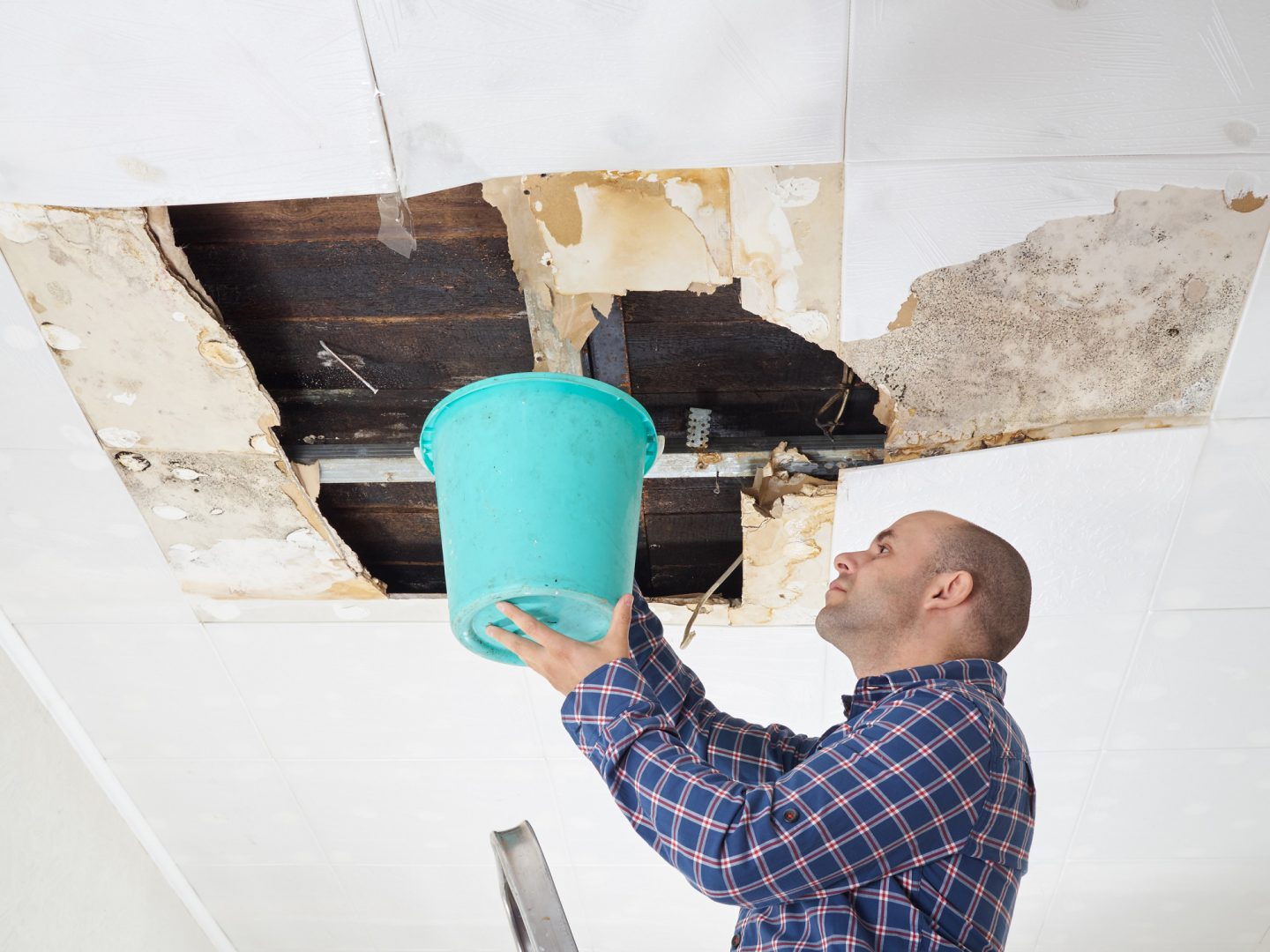
Ceilings and Light Fixtures That Drip Out of Nowhere
A lot of Los Angeles homes take a beating from sun and heat. Roofs dry out, materials age, and small gaps start to open. When the first fall storms roll through, that light rain can slip into those weak spots and travel a long way before you ever see a stain.
Water does not always fall straight down. It can run along rafters, electrical lines, or HVAC ducts, then finally show up around:
- Recessed ceiling lights
- Ceiling fans
- Crown molding
- Corners where walls meet the ceiling
This is why the leak you see above your dining room might actually start halfway across the roof. Without the right tools to track moisture inside the structure, it can be very hard to find the true source.
Watch for small changes that appear after a storm or after you use the shower or AC:
- Hairline cracks in the ceiling that start to darken
- Brown or yellow rings around lights or vents
- Paint that looks like it is bubbling or slightly swollen
- Flickering lights or a faint buzzing sound from a wet fixture
If the ceiling feels soft when you press it, or you catch a musty smell on the top floor, that often means water has been there longer than you think. Waiting can allow mold to grow and can create serious electrical risks in and around your light fixtures.
Under Cabinets, Vanities, and Built-in Storage
Some of the sneakiest water damage in Los Angeles hides in the places we open every day but never really look at closely. Kitchen and bathroom cabinets, laundry room storage, and built-in shelves can all hide slow leaks.
Common culprits include:
- Sink supply lines and shutoff valves
- Garbage disposals and drain pipes
- Dishwasher and fridge water lines
- Bathroom faucet and toilet connections
These leaks often start as a tiny drip. The water pools at the very bottom of the cabinet, behind stored items or at the back edge where you cannot see. In apartments and condos, this is especially risky, because water can run down shared walls and affect neighbors below.
Warning signs to keep an eye on:
- Warped or sagging cabinet floors
- Peeling or curling laminate inside the cabinet
- Rust on hinges, screws, or shelf brackets
- Damp, swollen, or stained baseboards nearby
- A stubborn “old sponge” or sour smell under the sink
It helps to clear out the cabinet base once in a while and really look and feel around. Before and after busy times like holiday guest season, a quick check can catch hidden moisture before it spreads.
Behind Walls and Under Floors Near HVAC Systems
In Los Angeles, AC units often run for long stretches, even into fall. All that cooling creates condensation. When the system is not draining well or parts are not insulated, that water can end up in places it should never be.
Some frequent problem spots are:
- Clogged AC drain lines that back up into walls
- Overflowing drip pans inside HVAC closets
- Ducts that sweat and drip in attics or crawl spaces
- Floor vents where moisture seeps into subfloors
Over time, this hidden moisture can weaken framing and flooring. Hardwood and laminate can start to cup or buckle, and carpet pads can stay damp enough for mold to grow. Because the unit is often tucked in a closet, hallway, or small utility room, people rarely see the early signs.
Pay attention if you notice:
- A musty odor when the AC or heat starts
- Warm, damp, or discolored spots on nearby walls
- Squeaky or slightly spongy sections of floor
- Rust or white mineral marks around supply vents or access doors
If doors near the HVAC area start sticking or the floor feels uneven in that part of the house, moisture underneath could be the reason.
Windows, Sliding Doors, and Balcony Thresholds
Sun, coastal air, and normal building movement in Los Angeles can all stress the seals around windows and doors. Over time, small gaps open up. When light rain hits at the right angle or wind pushes water against the building, moisture seeps into tiny cracks and works its way into the wall.
Balcony and patio doors are especially risky. If the outside surface is not sloped quite right, water can pool at the threshold. Clogged balcony drains or dirty tracks can make it even worse. That pooled water may look minor, but it can slip under the door frame and into:
- Wall cavities next to the opening
- Subfloor under wood or laminate
- Carpet padding at the door edge
Warning signs include:
- Bubbling paint or hairline cracks under windows
- Black spots or discoloration on caulk and sealant
- Soft, crumbly, or swollen trim around frames
- Planks that darken, lift, or separate near sliding doors after rain or balcony washing
If you press on the trim and it gives way, or you see mold on the lower corners of the frame, there is a good chance water has been getting in for a while.
Act Fast When You Spot Hidden Water Damage
As seasons change and we move into fall, it is a smart habit to do a quick walk-through of your home or business. Take a few minutes to check:
- Ceilings and light fixtures, especially after the first storms
- Under kitchen and bathroom sinks and inside vanities
- Around HVAC closets, hallway utility rooms, and floor vents
- Under and around windows, sliding doors, and balcony thresholds
Catching issues early can limit structural damage, reduce the chance of mold growth, and make the insurance process smoother if you need to file a claim. Even a small stain or odor can point to a much larger hidden problem that needs expert attention.
At Restoration Masters, we work with property owners across Los Angeles and surrounding counties to deal with water, fire, storm, and mold damage day or night. When hidden water damage shows up in any of these unexpected places, our team can respond quickly, track down the true source, handle cleanup and drying, and put things back together so your space feels safe and sound again.
Get Started With Your Project Today
If you are dealing with water damage in Los Angeles, our team at Restoration Masters is ready to respond quickly and professionally. We will assess the damage, create a clear restoration plan, and keep you informed at every step so you can get back to normal operations as soon as possible. To schedule service or request an emergency response, simply contact us and we will get started right away.