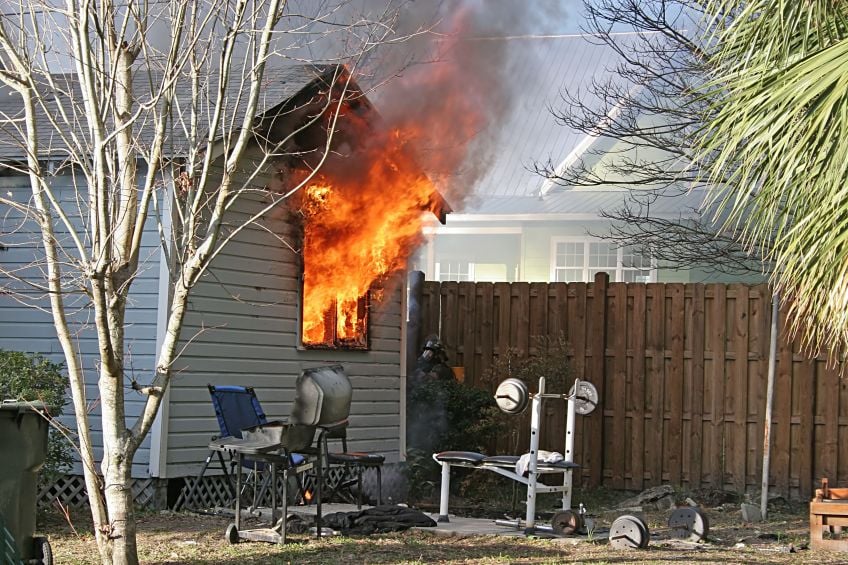
When a fire hits a commercial building, the damage doesn’t stop after the flames go out. Smoke, soot, and water from sprinklers or hoses can seep into surfaces and start breaking down important parts of a structure. These problems can move fast if nothing is done, especially when summer temperatures rise and everything dries out unevenly. That’s why starting commercial fire damage restoration right away can help stop deeper issues before they grow.
Buildings in Los Angeles, Orange County, Riverside County, and Ventura face extra pressure from the June heat, which can make cleaning up quickly even more important. The sooner cleanup starts, the better chance we have of keeping damage from spreading into spots we can’t see right away, like behind walls or under floorboards.
What Happens to Buildings After a Fire
A fire leaves behind more than just burnt materials. It stacks up layers of damage in different ways:
- Burned surfaces and melted materials weaken the strength of certain areas
- Smoke and soot can settle onto walls, ceilings, and floors and slowly break them down
- Water from fire sprinklers or hoses seeps into drywall, insulation, and wood
Even if a room looks okay, the real damage often hides deeper. Walls may hold smoke residue behind the paint. Ceilings may sag from soaked insulation. If those things are missed, the structure could weaken little by little. Knowing what to look for helps us step in before that happens.
First Steps That Secure the Structure
The first stage of any restoration is keeping people safe and making sure the building doesn’t face more harm. Once the fire is out, we start checking for:
- Crumbling drywall or ceilings that could fall
- Framing or beams that have been burned or soaked
- Electrical damage that might still spark or trip breakers
If we find weak areas, we use braces or remove the parts that are no longer stable. Then we move fast to dry out water left behind. Drywood, key supports, and everyday workspaces can all hold onto water longer than expected. If it stays trapped, the risk of mold, warping, or rot gets much higher, especially right as the summer sun starts heating those materials and pushing moisture deeper in.
How Restoration Supports Long-Term Strength
The real heart of fire damage restoration is what it prevents in the long run. We don’t just scrub away smoke stains or let things air out. We treat every corner that’s been exposed to high heat, water, or soot because over time, those things can slowly eat at surfaces.
- Removing smoke and soot protects building materials from breaking down early
- Drying walls, wood, and insulation safely helps them stay strong for longer
- We sort through what’s salvageable and what needs to go to avoid trouble later
It’s not always about gutting whole rooms. In many cases, careful cleanup means we keep more of the original building’s structure in place and usable. That keeps long-term repair needs lower and helps what’s left stay secure.
Why Professional Support Matters in Large Spaces
Commercial buildings aren’t built the same way houses are. They often have complex systems inside and shared spaces across different offices or lines of work. One fire can affect a lot more than just the room it started in, and checking the whole space takes experience.
- HVAC systems may carry smoke into ductwork across multiple rooms
- Sprinklers on one floor might flood into lower spaces and walls
- Walls shared between businesses need extra care if only part of the building burned
Besides that, repairs have to follow strict codes. From electrical work to architecture, commercial buildings have rules meant to keep the next people safe. Fire restoration done the right way helps avoid future delays, failed inspections, or reopening a building that is not truly ready.
Keeping Damage from Spreading in Warm Weather
In Southern California, the June heat changes how fast damage can grow. High temperatures make smoke smells stick around longer and push moisture deeper into the structure. If smoke or soot sits for too long, it can sink into HVAC systems or even drift into places that were not burned.
- Rising heat speeds up mold growth inside soaked walls or ceilings
- Soot particles can settle in vents and spread during the cooling cycle
- Trapped moisture may hide under flooring or behind walls and go unnoticed
Fast commercial fire damage restoration makes a difference here. Catching these small problems before they start spreading keeps cleanup shorter and reduces future risks. Buildings that feel dry aren’t always safe. That’s why it takes a close look during every step.
Moving Forward with Greater Peace of Mind
After a fire, it takes more than a visual check to know if a building is truly safe again. Hidden damage can linger for weeks and affect everything from structure strength to indoor air quality. The longer we wait, the harder those problems are to fix later.
Summer often brings fast changes in air and temperature. Getting restoration help early means we stop the damage now, protect what’s still sound, and take real steps to make the building secure again. Whether the building houses offices, retail, or shared workspaces, knowing it is ready for full use brings relief at just the right time. Summer is busy for a lot of businesses, and the last thing anyone needs is a hidden issue that could have been stopped earlier.
At Restoration Masters, we respond quickly to smoke, water, or heat damage throughout Southern California, making sure your building’s structure is stabilized, hidden hazards are safely removed, and spaces are restored to full use. Our extensive experience with local codes and complex systems means your project is handled thoroughly and with care every step of the way. Find more details about our process by reviewing our approach to commercial fire damage restoration. Contact our team today to get started.