
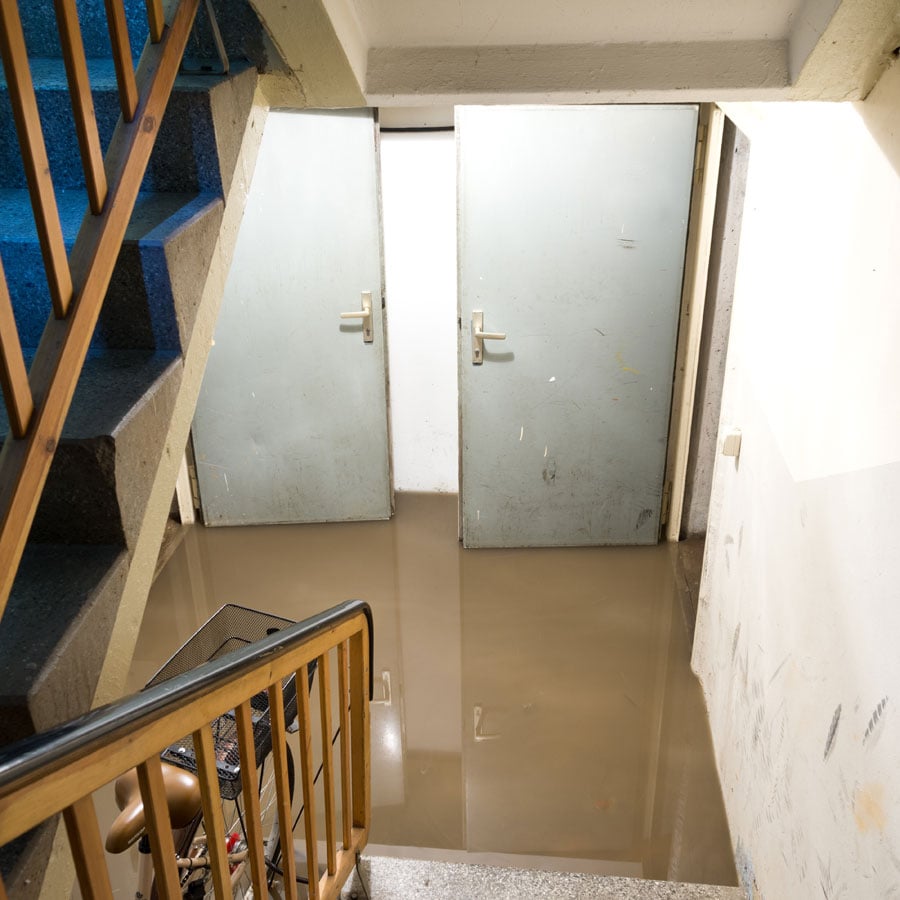
Water damage in Los Angeles can go from a small annoyance to a major mess very fast. A small leak from a supply line, an AC drain, or an upstairs bathroom can soak into walls and floors long before you notice puddles on the surface. When that happens, knowing what is safe to handle yourself and when to bring in a professional can protect your home, your health, and your sanity.
Water only needs a short window, often just a day or two, before mold can start to grow in damp materials. That is why every hour counts. We will walk through how water damage behaves in Southern California homes, what simple steps are generally safer for homeowners, when DIY turns risky or expensive, and how professional restoration helps keep a small problem from becoming a long, stressful repair job.
When Water Damage Strikes in Los Angeles, Time Matters
In our area, water damage often starts with everyday issues, not big disasters. Common triggers include:
- Failing supply lines on toilets or sinks
- Washing machine or dishwasher leaks
- AC condensate line clogs after heavy summer use
- Roof issues during early fall storms
In late summer and early fall, heat sticks around. That warm, humid indoor air is perfect for mold once materials are damp. Within about 24 to 48 hours, moisture trapped in drywall, baseboards, or flooring can start to support mold growth.
A slow drip under a sink in the Valley, a slab leak under tile in Orange County, or a roof leak in a coastal condo can look minor at first. If it sits, it can turn into a bigger project that affects multiple rooms, finishes, and even your insurance claim. Knowing the safe line between quick homeowner steps and professional help is one of the best ways to protect your home and property value.
Understanding Water Damage Risks in Southern California Homes
Homes across Los Angeles, Orange, Riverside, and Ventura counties share some common water damage risks. Many houses have older plumbing, copper lines in slabs, and flat or low-slope roofs. When these age, leaks are more likely. Hot days mean HVAC systems run longer and produce more condensation, which can overflow if lines or drain pans are not working properly.
Water damage is not all the same. Pros usually talk about three general categories:
- Clean water, from supply lines, some AC leaks, or recent rain that has not picked up much dirt
- Gray water, from washing machines, dishwashers, or lightly used sinks and showers
- Black water, from sewage backups, stormwater that has flowed over soil, or long-standing, stagnant water
The dirtier the water, the more risk for germs and other contaminants. That changes what is safe to touch, what should be thrown away, and how areas need to be cleaned.
Local construction adds more hidden risks. Water can move:
- Under laminate or engineered wood floors
- Behind baseboards into wall cavities
- Through ceilings into lower units in multilevel buildings
So a small ceiling stain or slightly warped baseboard can be the tip of a much larger hidden problem.
Smart DIY Steps You Can Safely Take Right Away
When you first notice water damage, there are a few quick actions many homeowners can usually take before a professional team arrives. These are about safety and limiting spread, not finishing the job on your own.
Here are some first steps to consider:
- Shut off the main water supply if you suspect a plumbing leak
- Turn off electricity to the affected area if water is near outlets or appliances
- Move furniture, area rugs, and valuables away from wet spots
- Open doors and windows if it is safe, to help with airflow
For minor, fresh clean-water incidents on hard surfaces, some people may choose to:
- Use towels or a wet/dry vacuum to pick up small puddles
- Place fans to keep air moving across damp surfaces
- Take up small rugs and light items to dry in a safe area
Safety should always come first. We recommend:
- Wearing gloves if you are handling wet items
- Avoiding any contact with water that looks dirty or smells bad
- Staying out of areas with sagging ceilings or buckled floors
- Taking photos and videos of the damage before moving too much
If you suspect that water has reached walls, insulation, cabinets, or ceilings, that is the point to stop DIY efforts and let trained technicians inspect and dry those areas correctly.
When DIY Becomes Dangerous and Costly
There is a clear line where DIY is not just hard, but unsafe or likely to fail. You should not try to handle situations like:
- Sewage backups or toilet overflows that involve solid waste
- Water entering from outside during heavy rain or yard flooding
- Large ceiling leaks or bulges in drywall
- Any water that has been present longer than about 24 to 48 hours
Household fans and small dehumidifiers can help with comfort, but they rarely reach deep into drywall, insulation, cabinets, or flooring. Surface dry does not mean fully dry. Materials like:
- Drywall
- Insulation
- Engineered wood
- Built-in cabinets
can hold moisture inside long after they feel dry on the outside. That is where mold and long-term damage begin.
There are also health and liability concerns. Contaminated water can expose you to germs. Hidden moisture can weaken structures over time. If a cleanup is not handled correctly, it can be harder to show an insurance company that proper steps were taken, which can affect claims later.
How Professional Restoration Saves Homes and Health
Professional restoration is about a lot more than strong fans. A trained team uses tools and methods that go far beyond what most homeowners have in the garage. These can include:
- Moisture meters to check how deep water has gone into walls and floors
- Infrared thermal imaging to find hidden wet spots behind surfaces
- Controlled removal of damaged materials so drying can reach what it needs to
- Industrial-grade drying and dehumidification equipment
A full-service restoration team manages the process from emergency response to repairs. That usually includes:
- Stopping the source and containing the affected area
- Setting up drying equipment and checking progress
- Removing materials that cannot be saved
- Cleaning and treating surfaces as needed
- Rebuilding affected areas so the space is usable again
Working with insurance adjusters is also part of the job. Clear documentation, moisture readings, and drying logs help show what happened and what was done. Local, 24/7 service is especially helpful when late summer heat and early fall storms cause multiple leaks across the region at the same time.
Seasonal Tips to Prevent Late Summer and Fall Water Damage
Early fall in Southern California is a good time to get ahead of water issues before the first real storms arrive. Simple checks around the house can catch small problems while they are still easy to fix.
Here are some seasonal ideas many homeowners find helpful:
- Check roof surfaces, roof drains, and gutters for debris
- Look for stains on ceilings after any light rain
- Clear leaves from around outdoor drains
AC systems have usually worked hard over the summer. It can help to:
- Inspect AC condensate lines and drain pans
- Look for damp spots around indoor air handlers
- Listen for unusual dripping sounds in walls or ceilings
Everyday plumbing deserves a quick look too:
- Check under sinks for damp wood or bubbling finishes
- Look behind washing machines and refrigerators for signs of slow leaks
- Test shutoff valves to see if they still turn easily
- Place simple leak detectors near water heaters and laundry areas
Having a basic emergency plan also makes a big difference. Know where your main water shutoff is, keep simple supplies like towels and plastic sheeting handy, and store key phone numbers in your phone so you are not searching while water is still spreading.
Your Next Step When Water Damage Hits Your Los Angeles Home
When you notice water damage in Los Angeles or nearby counties, remember three simple points: act fast, keep your own actions limited to basic safety and surface control, and bring in professionals whenever the water damage is extensive, looks dirty, or has been present for more than a short time. That approach usually leads to less damage, less disruption, and fewer surprises later.
If you suspect hidden moisture or recent leaks, even if things look dry on the surface, a professional inspection can give you peace of mind. Early help often turns a stressful situation into a manageable one and keeps your home, condo, or business space in better shape for the long term.
Protect Your Property From Costly Water Damage Today
If your business is facing water damage in Los Angeles, our team at Restoration Masters is ready to respond quickly and limit disruption. We assess the damage, create a clear restoration plan, and work efficiently so you can get back to normal operations as soon as possible. Reach out to us now to schedule an inspection or emergency service by using our contact page.