
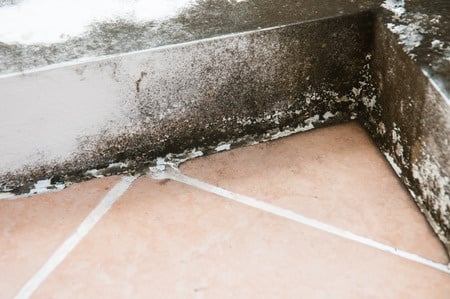
Water can damage a Los Angeles home fast, and insurance claims do not always keep up. Strong, clear documentation often makes the difference between getting repairs covered or paying a big part yourself. When you add suspected mold into the mix, things get even more stressful, especially if you are worried about your family’s health.
In our area, water issues are common. Aging pipes, condo stack leaks, coastal humidity, heavy summer storms linked to El Niño, and even water from firefighting can all leave hidden moisture behind. In this guide, we will walk through how to document water damage and suspected mold step by step, so your claim has the best chance of moving smoothly.
Protect Your Los Angeles Claim From Day One
Insurance companies want proof. Not guesses, not “it was bad,” but clear evidence of what happened, where it spread, and how quickly you responded. Good documentation can support:
- Faster claim approvals
- Better settlement offers
- Fewer arguments over what is or is not covered
Los Angeles homeowners face some special risks, including:
- Older plumbing in many neighborhoods
- Shared walls and vertical plumbing stacks in condos
- Coastal and indoor humidity that keeps things damp
- Storms linked to El Niño that push water into roofs and walls
- Water used in firefighting that soaks framing and insulation
From the first minutes after a leak, think like a reporter. What happened, when did it happen, and what does it look and smell like right now? Keep that mindset, and your documentation will be stronger from the start.
Act Fast When Water Strikes Your LA Home
Water does not stay put. In our warm Southern California climate, moisture can spread quickly through drywall, cabinets, and floors. Mold may begin to grow within a short time if things stay damp. Acting fast helps both your home and your insurance claim.
Start with safety before you think about cleaning:
- If you can safely reach it, shut off the water supply
- Turn off power to affected areas if there is standing water near outlets or cords
- Watch for slippery floors
- Keep kids and pets away from wet or dirty areas
Before any big cleanup, pause and document what you see. Take an initial “scene overview” with your phone. Walk each room and record:
- Which walls, ceilings, and floors look wet or stained
- Any standing water, even small puddles
- Damaged items like rugs, furniture, or electronics
Begin a simple written timeline. Note when you first noticed the leak, what you did right away, and who you contacted. Avoid throwing away wet materials until they are clearly documented, unless they are unsafe to keep.
How to Photograph and Video Water Damage Evidence
Good photos and video help the adjuster understand what happened without being in the room. Aim for three types of photos:
- Wide shots of each affected room
- Medium shots of each wall, corner, and section of floor
- Close-ups of details like bubbling paint, swollen baseboards, lifting tiles, or damaged belongings
If your camera allows it, turn on date and time stamps. Try to shoot in good light and from more than one angle. Document key points your insurer will care about:
- The possible source, for example a burst supply line, leaking roof area, or overflowing appliance
- The path of water as it moved through rooms, ceilings, and walls
- Standing water depth; you can hold a tape measure or ruler in the water so it shows in the photo
- Specific personal items that are wet or stained
Video fills in gaps that photos can miss. Move slowly and speak as you record. You can say things like, “This is the hallway outside the bathroom, the water is about a quarter-inch deep here, and the baseboards are starting to warp.” Pan from floor to ceiling and record outdoor conditions after a storm, especially during summer storm periods or El Niño patterns.
Documenting Suspected Mold Safely and Clearly
Mold can be tricky. Sometimes it is obvious, sometimes it hides behind paint or under flooring. Signs of possible mold include:
- Black, green, brown, or white spots or fuzzy patches
- A musty or earthy smell that does not go away
- Stains that return after surface cleaning
- Drywall, trim, or cabinets that feel spongy or stay damp
Stay cautious around anything that looks like active growth. Do not scrape, scrub, or tear out large areas yourself. Avoid pointing fans right at suspected mold, since that can move spores around the home. If you must go into the space, simple protection like gloves and a basic mask is helpful.
For your documentation, focus on:
- Clear photos of each wall, ceiling, or item that seems affected
- Close-ups of color, texture, and edges of stained areas
- Notes about when you first noticed the smell or spots
- Any comments from a professional who checked moisture or mold
Testing and proper mold cleanup should be handled by trained professionals. While water restoration is underway, a local team can help record readings, conditions, and progress for your records.
Building a Strong Paper Trail for Your Claim
Think of your claim like a story you need to prove. Your “paper trail” shows what happened, who helped, and what it cost. A simple damage journal can include:
- Date and time you first saw the leak or stain
- When you think it may have started, if you have a good guess
- Every call with your insurance company, plumber, HOA, or property manager
- The name of the person you spoke with and what they told you
Save and organize all related documents, such as:
- Written reports from plumbers that describe the cause of the leak
- Estimates and invoices for emergency dry-out and repairs
- Hotel or rental receipts if you had to stay elsewhere
- Any letters or emails from your insurance company
Create one digital folder for everything. Label photos and videos by room and date. A simple spreadsheet can list each damaged area, what was affected, and related costs or estimates.
Working with Your Insurer and Local Pros
When you call your insurance company, be clear and calm. Describe:
- What you saw first, for example “water on the hallway floor outside the bathroom”
- Where the suspected source is
- What areas of the home are now wet or stained
- Any strong odors or visible mold you noticed
Avoid blaming anyone during that first call. Just stick to the facts and your timeline. Ask for your claim number and basic coverage details so you can note them in your journal.
Insurers usually expect homeowners to act quickly to prevent more damage. That includes stopping the water if possible and bringing in a professional restoration company for drying and cleanup. This helps protect the home and also shows the insurer that you took reasonable steps right away.
Working with a local team that knows water restoration in Los Angeles can make documentation easier. A company that works in Los Angeles, Orange, Riverside, and Ventura counties on a regular basis understands common building styles, local conditions, and what many insurers look for in reports and photos. Strong documentation, fast mitigation, and clear communication all support a smoother claim process.
Protect Your Property With Fast, Professional Restoration
If you are dealing with leaks, flooding, or hidden moisture, our team at Restoration Masters is ready to respond quickly and limit further damage. Learn how our specialized water restoration in Los Angeles can help safeguard your building, contents, and operations. We will assess the damage, create a clear restoration plan, and keep you informed at every step. To schedule service or request an emergency response, contact us today.