
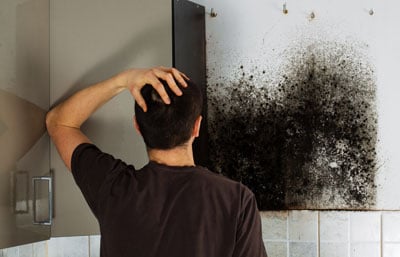
Stop Summer Mold Before It Starts
Water damage in Los Angeles can start small. A slow AC leak in the hallway, a supply line under the sink that lets go, or a quick kitchen overflow during a busy weekend. The floor looks a little wet, you throw down some towels, turn the AC up, and figure it is no big deal. Then a heatwave hits, the house stays closed up, and a few days later you notice a musty smell you cannot quite place.
This is how many summer mold problems begin in Southern California. Warm air, trapped moisture, and closed windows let mold get a foothold fast. Our goal is to help you cut that off before it starts. We will walk through simple, practical steps you can take right after water damage, explain why summer mold grows so quickly here, and point out when it is time to bring in a professional restoration team for help.
Our focus is local. The tips here are written for homes and businesses across Los Angeles, Orange, Riverside, and Ventura counties. We live and work in the same climate you do, and we see the same common AC leaks, slab leaks, and roof issues every summer.
Why Summer Mold Grows so Fast in Los Angeles
After water damage in Los Angeles, conditions inside a building can be perfect for mold. Summer brings warm days and lots of AC use. That combination often means windows closed, less airflow, and moisture trapped inside walls and floors.
Here’s why mold gets ahead so quickly in summer:
- Warm indoor air, especially in the upper floors, helps mold grow
- Moisture can soak into drywall, trim, and flooring and stay there
- Tightly sealed homes and offices keep humid air inside
- AC can cool the air but leave pockets of damp materials behind
Mold does not need much time. Once a surface stays damp, mold can start growing in as little as a couple of days. That is why waiting until after a holiday weekend to deal with a leak can turn a clean-up job into a mold problem.
Local building styles add to the risk. Many properties here have:
- Stucco exteriors that hold moisture against walls
- Slab foundations where water can spread sideways under flooring
- Flat or low-slope roofs that can pond water around drains
- Shared walls in condos and apartments that hide leaks between units
To the touch, a wall or floor may feel dry, but inside it can still be wet. Without professional moisture meters, it is easy to miss damp insulation, wall cavities, and the space under cabinets. That is where hidden colonies can grow and only show up later as stains or odors.
Immediate Steps After Summer Water Damage
The first hour after you notice water damage matters a lot. Safety always comes first, so if there is standing water near outlets or appliances, keep clear until the power for that area is shut off by a qualified person.
Once it is safe, focus on three quick steps:
- Stop the water source if you can safely reach the shutoff
- Move rugs, paper items, and soft furnishings away from the wet area
- Gently block off the area so people and pets are not walking through it
Within the first day, you may be able to lower the risk of mold by helping moisture leave the space. Depending on the weather and your location, that might mean opening windows when the outdoor air feels drier, or using fans and dehumidifiers to increase air movement and lower humidity indoors. Running the AC too cold can backfire, because very cool surfaces can collect condensation and slow down drying.
A few things are easy to get wrong:
- Do not pour household bleach on carpets, drywall, or other porous items
- Do not start tearing out walls, floors, or cabinets without a clear plan
- Do not just “wait and see” if more than a small, shallow spill is involved
If water has soaked into building materials, traveled under flooring, or spread over a large area, this is usually more than a quick DIY cleanup. That is the point where getting professional water extraction and structural drying makes a big difference in preventing mold.
Drying Your Home Fast Before Mold Takes Hold
Surface water is only part of the story. Professional drying is built to pull moisture out of places you cannot see or feel. Restoration teams use commercial extractors to remove as much liquid water as possible, then set up high-capacity dehumidifiers and carefully placed air movers to draw out the rest.
Summer in Southern California brings a few special drying challenges:
- Heatwaves can push indoor humidity up when AC runs constantly
- Coastal areas may have humid evenings that make open windows risky
- Inland valleys can cool down at night and slow evaporation
- Different rooms in the same house can behave very differently
Because of that, the plan for whether windows stay open or closed is not the same in every home or every neighborhood. The goal is always the same though: move moisture into the air, then pull that moisture out of the air as quickly as possible.
There are several spots that almost always need to be checked after water damage in Los Angeles:
- Behind baseboards and trim
- Under laminate or engineered wood flooring
- Inside wall cavities and around outlets
- Under kitchen and bathroom cabinets
- In insulation near the leak or overflow
Moisture meters and infrared cameras help find damp areas without guessing. They show where moisture is hiding so materials can be dried fully, instead of just drying the surface and hoping for the best. That is key to avoiding mold that appears weeks later.
Red Flags That Mean Mold Is Already Growing
Even with fast action, sometimes mold still starts to grow. Other times, an old leak that never got dried correctly shows up when summer heat returns. Knowing the early signs helps you catch it before it spreads.
Watch for these red flags after any water damage:
- A musty or earthy smell that does not go away with cleaning
- Yellow, green, brown, or black spots or streaks on walls or ceilings
- Peeling paint, bubbling texture, or soft drywall
- Warped flooring, lifting corners, or squishy spots underfoot
A little surface mildew on tile in a shower is common and usually tied to daily use. That is different from mold linked to past leaks in a ceiling, walls, or around windows. Mold in living rooms, bedrooms, offices, or behind furniture often points to a moisture problem that needs more than simple cleaning.
Pay special attention if there are children, older adults, or people with asthma or other breathing issues in the building. For them, getting a professional evaluation quickly is especially important so the problem can be contained and cleaned up in a controlled way.
When mold is found, trained technicians can set up containment to keep spores from spreading, remove damaged materials, and clean nearby surfaces so most of the property can stay usable when it is safe to do so.
Protect Your Property From Future Summer Water Damage
Stopping the next water incident is just as important as handling the one you already have. A little prevention before peak summer can save a lot of stress later.
Here are simple habits that help:
- Have AC and plumbing checked before heavy summer use
- Look at supply lines to washers, dishwashers, and refrigerators
- Clear gutters and downspouts before the first seasonal storms
- Keep an eye on caulking around tubs, showers, and sinks
Local properties also face some special risks:
- Brief but intense storms that find weak spots in flat or older roofs
- Irrigation systems that spray water directly onto stucco walls
- Balconies and rooftop decks with clogged drains that let water pool
Building a routine helps. Check under sinks, around water heaters, and near appliances regularly. Simple leak detectors or smart shutoff valves can alert you early when something goes wrong. Taking pictures and keeping notes about small leaks can help if they turn into bigger insurance claims later.
It also helps to know ahead of time who you will call if something happens. Having Restoration Masters in your emergency plan means you can move quickly when water damage in Los Angeles, Orange, Riverside, or Ventura counties threatens to become a summer mold problem.
Get Started With Your Project Today
If you are dealing with water damage in Los Angeles, our team at Restoration Masters is ready to respond quickly and limit the disruption to your property. We will assess the damage, create a clear restoration plan, and work efficiently so you can get back to normal as soon as possible. Reach out today through our contact page so we can help you move forward with confidence.