
Why Post-Restoration Verification Matters in LA Homes
Water damage cleanup does not end when the fans shut off and the crew drives away. The real question is what happens in the days and weeks after, when moisture you cannot see can still be hiding in your home. Post-restoration verification is the step where trained pros confirm your property is truly dry, safe, and properly repaired.
In Los Angeles, this step is especially important. Many homes have older plumbing, flat roofs, stucco exteriors, and tight spaces where water can sneak behind walls or under flooring. Summer heat can make surfaces feel dry while deeper layers stay damp. If nobody checks, you can end up with hidden moisture, surprise mold growth later, arguments with your insurance company, and having to open the same wall twice.
Post-restoration verification means checking dryness with proper tools, watching for mold, and documenting every step of the repair. As a local company offering water restoration in Los Angeles and nearby counties, we treat this as part of the job, not an optional extra.
Confirming Your Property Is Truly Dry
If a wall or floor feels dry to the touch, it only tells you what is happening right at the surface. Water likes to move into places you cannot see, such as:
- Wall cavities behind drywall or plaster
- Subfloors under wood, tile, or vinyl
- Insulation inside exterior walls and attics
- Cabinets, vanities, and toe kicks
- Areas along slab edges and at the base of exterior walls
Because of this, professional verification depends on tools, not guesses. Common tools used during a final dry-out check include:
- Moisture meters to test inside materials, not just the surface
- Thermal imaging cameras to spot temperature changes that point to hidden moisture
- Hygrometers to measure relative humidity in each room
- Sometimes, borescopes or small inspection holes for tight spaces
During a proper final check, a technician typically goes room by room taking moisture readings on walls, floors, and ceilings, while paying extra attention to high-risk spots like bathrooms, kitchens, laundry rooms, attics, below windows, and around sliding doors. They then compare readings to a normal “dry standard” for similar materials in Los Angeles homes and note any areas that still need extra drying or material removal.
Around the Fourth of July holiday and the rest of the summer, heat can speed up surface drying. A wall may feel dry within a day or two, but moisture can be trapped deeper inside wood framing or under flooring. Objective measurements give you proof that the job is done correctly, instead of just hoping everything is fine.
Preventing Mold Regrowth After Summer Water Damage
Heat and moisture are exactly what mold wants. When you mix warm Southern California days with a plumbing leak, A/C backup, or sprinkler overspray, you get perfect mold conditions if things are not handled carefully.
After water restoration in Los Angeles, prevention steps usually include:
- Targeted dehumidification to pull extra moisture out of the air and materials
- Planned air movement so fans do not just move humid air from one room to another
- Removal of unsalvageable porous materials, such as soaked carpet pad, some drywall, and insulation
- Verifying that indoor relative humidity stays in a safe range as drying wraps up
Even with good work, it makes sense to keep an eye on your home for a few weeks. Early warning signs of mold regrowth can include:
- Musty or earthy odors that were not there before
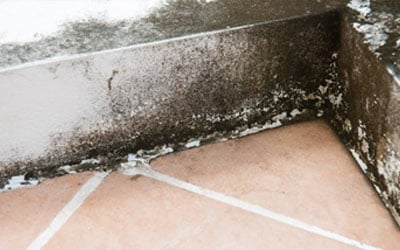
- New spots, staining, or dark patches on walls or ceilings
- Bubbling or peeling paint, or areas that look like they are sweating
- Warped baseboards, swollen door frames, or cupping wood floors
- Extra coughing, sneezing, or itchy eyes that show up when you are at home
If you notice any of these, it is time to bring in a professional for a post-restoration mold inspection. Quick action can keep a small patch from turning into a larger project that means more demolition and longer time away from normal life.
Documenting Dryness and Repairs for Insurance Approval
Insurance companies want clear proof of what happened and how it was fixed. When the claim reaches the review stage, adjusters usually look for documentation like moisture logs that show readings from start to finish, equipment usage records showing how long dryers and dehumidifiers ran, photos of the original damage, demolition, and completed repairs, invoices or work orders for every phase of the job, and any lab or environmental tests if they were needed.
A professional restoration company builds this paper trail from day one. Good documentation often includes:
- Before-and-after photos from the same angles
- Floor plans or sketches marked with moisture readings and affected areas
- Notes about what materials were removed and why
- Clear scopes for reconstruction so adjusters can see what needs to be put back
You can also help your claim move smoother by staying organized and keeping your own records. Helpful actions include:
- Keeping your claim number in one place
- Saving all emails and text messages with your adjuster and any inspectors
- Photographing damaged personal items before they are thrown out
- Requesting copies of reports, logs, and pictures from your restoration contractor
Thorough records help with your current claim, and they also show future buyers and insurers that any past damage was handled in a professional way.
Working with a Local Los Angeles Restoration Partner
Water problems in a hillside home above the Valley are different from a slab leak in a condo near the beach. That is why it helps to work with a local team that knows how homes are built in this area, what common problems show up in each neighborhood, and how local rules and HOA boards usually work.
A strong restoration partner coordinates the many pieces involved, such as:
- Plumbers for leak detection and repairs
- Roofers when flat roofs, balconies, or deck drains are involved
- HOA managers and property managers for approvals and access
- Insurance adjusters, so drying plans and repairs line up with policy requirements
From the first emergency call through demolition, drying, and full reconstruction, the goal is to keep things moving and keep you informed. That includes being available day and night when new leaks happen during busy holiday weekends and also being there later to answer questions about post-restoration verification.
When you choose a company, it is smart to ask:
- Are your technicians trained and experienced with local construction types?
- Do you include final moisture verification as part of the job?
- Will I get copies of dryness readings, photos, and reports for insurance?
- Do you offer any warranties on your work?
As Restoration Masters, we focus on serving homes and businesses across Los Angeles, Orange, Riverside, and Ventura counties, and we build these steps into our process so you are not left guessing.
Take Control After the Cleanup and Protect Your Claim
The main idea is simple: do not stop at “the fans are gone, so we must be fine.” Make sure your property is truly dry, watch for mold during the warm weeks that follow, and keep detailed records so your insurance claim is backed up with proof.
A quick post-restoration checklist looks like this:
- Schedule a final moisture verification once drying equipment is removed
- Ask for written dryness readings and a clear explanation of results
- Confirm that demolition, drying, and repairs have been photographed and logged
- Keep all claim emails, texts, and documents together in one folder
- Set a reminder in 2 to 4 weeks to walk the property and check for mold signs
With careful verification, smart mold prevention, and solid documentation, you can move back into your space with confidence that it is dry, safe, and ready for whatever comes next.
Protect Your Property With Fast, Professional Restoration Today
If you are facing leaks, flooding, or moisture damage, our team at Restoration Masters is ready to respond quickly and limit the impact on your building. Learn how our specialized water restoration in Los Angeles can help you recover safely and efficiently. We will assess the damage, create a clear plan, and keep you informed at every step. To schedule immediate service or ask questions, please contact us today.