
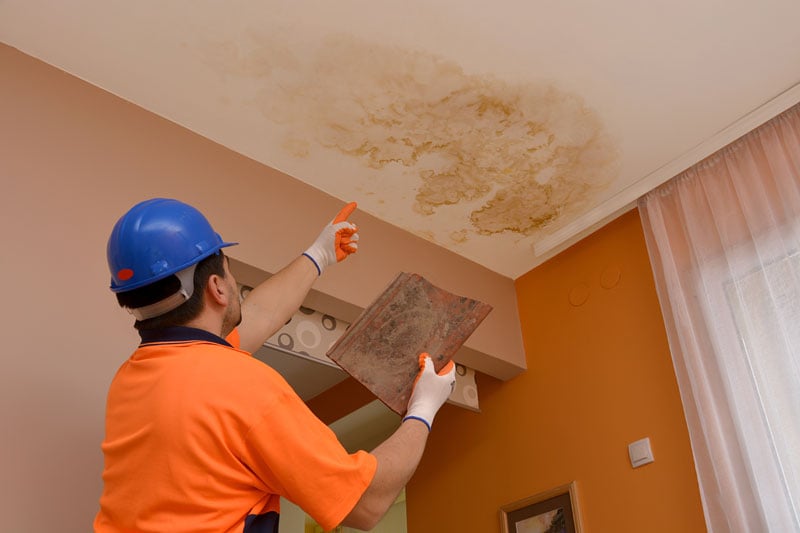
Stop Summer Slab Leaks Before They Wreck Your Home
Slab leaks in summer can quietly ruin a home long before you ever see water on the floor. When a pressurized water line under your concrete slab cracks, that water has nowhere to go but out into the soil and the structure. It keeps running, day and night, soaking the foundation and anything it can reach. By the time most people notice, the damage is already serious.
A slab leak is simply a leak in the pipes that run under or through the concrete foundation. These pipes carry water under pressure, so even a tiny pinhole can push a steady stream into the ground. That hidden moisture can weaken concrete, warp flooring, and feed mold growth under carpets and baseboards. Small leaks turn into big problems when they are left alone through a long, hot Los Angeles summer.
At foundation-level, water damage does more than stain walls. It can slowly undermine the base of your home or business, cause floors to shift, and create musty, unhealthy air. That is why quick action and skilled help matter so much. As a local restoration team, we see how fast summer slab leaks across Los Angeles, Orange, Riverside, and Ventura counties can go from “barely noticeable” to “major repair project.”
How LA Heat and Dry Soil Put Pressure on Your Slab
Late summer in the Los Angeles area often means long stretches of heat, bright sun, and very little rain. The top layers of soil near your home dry out and shrink, while deeper layers can stay more damp and heavy. That creates uneven movement right under your slab foundation.
Some common soil and weather patterns around local homes and businesses can lead to trouble:
- Dry, compacted soil at the surface shrinking away from the foundation
- Deeper, slightly wetter soil staying swollen and heavy
- Irrigation systems soaking certain areas while others stay dry
- Sudden storms after dry spells changing soil moisture quickly
When soil that is sensitive to moisture shrinks in heat and then swells when water arrives, it sets up a cycle of constant movement. The slab and the pipes under it feel that stress. Over time, this can:
- Shift buried water lines out of alignment
- Put pressure on pipe joints and fittings
- Create tiny cracks or pinholes in copper or other pipe materials
- Open up gaps under the slab that fill with water once a leak starts
Even newer homes and commercial buildings can be affected. Soil conditions, grading, drainage issues, or high water pressure all add to the strain that comes with summer heat and constant AC use. When those factors stack up, slab leaks are far more likely.
Hidden Signs a Summer Slab Leak Is Underway
Slab leaks almost never start with a dramatic flood. They start quiet. Many property owners first notice something small that does not feel right, then discover a bigger problem later.
Common warning signs include:
- A water bill that suddenly jumps for no clear reason
- Warm or damp spots on tile, concrete, or laminate floors
- The sound of running water when all fixtures are shut off
- A musty, earthy, or “wet dirt” smell that will not go away
There are also structural and cosmetic clues that hint at water under the slab:
- New hairline cracks in concrete floors that slowly spread
- Interior doors that start to stick or not latch like they used to
- Baseboards that swell, pull away from the wall, or show stains
- Small patches of mold or mildew on lower walls or at floor level
Late summer is a high-risk time because water is moving in and around your home more than you might think. AC systems create condensation, irrigation runs longer, and ground temperatures stay high. All of this puts constant stress on pipes and makes any weak point more likely to leak.
Catching a slab leak early can greatly limit how much water restoration a Los Angeles property might need later. Fast detection helps protect your foundation, prevents mold from taking hold, and reduces how much of the interior has to be repaired.
How Professionals Detect and Repair Slab Leaks
Modern slab leak detection does not have to mean tearing up the floor to “hunt” for water. Professional teams use noninvasive tools to track leaks with as little damage as possible.
Some of the methods we rely on include:
- Acoustic listening devices that hear the sound of water escaping under the slab
- Infrared cameras that show hot or cold spots where water is moving
- Moisture meters to map out where materials are damp behind surfaces
Once the location is clear, repair options depend on how bad the damage is and how the pipes are laid out. Common solutions include:
- Spot repairs on the damaged section of pipe when it is accessible
- Pipe rerouting to move water lines out of the slab to easier locations
- Partial repiping if many areas show wear or repeat problems
- Structural repair when the slab or supporting soil has been undermined
It is important to work with a licensed, insured team that understands local codes and typical soil behavior in Southern California. Plumbing repair is only half of the job. Once the leak is stopped, the wet structure still needs care.
This is where a full restoration service becomes key. We step in after the repair to handle water extraction, structural drying, and, if needed, pack-out of contents so they stay safe during work. Then we manage the full water restoration process for Los Angeles properties, from drying and cleaning to rebuilding damaged areas, so spaces are safe and dry again.
Preventing Foundation-Level Water Damage This Summer
You cannot control the heat, but you can reduce the risk that a slab leak will sneak up on you. Simple, steady attention to your home or building makes a big difference.
Inside, helpful habits include:
- Watching your water usage from month to month
- Doing a quick leak test by checking the water meter when all fixtures are off
- Paying attention to any new sounds of running water inside walls or floors
- Taking warm or damp floor spots seriously, even if they seem minor
Outside, how water moves around your foundation matters:
- Keeping the soil graded so water flows away from the slab
- Making sure gutters and downspouts send water away from the building
- Avoiding heavy overwatering right next to the foundation
- Checking sprinkler heads for breaks, overspray, or leaks near walls
Professional maintenance also helps limit the strain on your plumbing. Regular plumbing inspections, especially in older homes, can catch weak spots early. Pressure checks can find if water pressure is too high and stressing pipes. In some cases, plumbing pros may suggest pressure regulation or conditioning solutions to lower that stress and protect the system long term.
When you pair these proactive steps with a trusted local partner for water restoration in Los Angeles, you greatly reduce both the chances and the impact of a future slab leak. Your foundation stays stronger, your indoor air stays healthier, and your property keeps its value even through long summers.
Protect Your Property With Fast, Professional Water Restoration
When water damage hits, quick action makes the difference between a simple repair and major structural problems. At Restoration Masters, we provide prompt, professional water restoration in Los Angeles tailored to your building’s specific needs. Our team is ready to assess the damage, stop further issues, and start restoring your property right away. Reach out today to contact us and schedule immediate service.