
Late spring in Southern California usually means warmer days, longer evenings, and plenty of homeowners turning on their sprinkler systems. But when those sprinklers don’t work the way they should, they can cause more trouble than we think. Sprinkler mishaps can lead to unexpected leaks or full-out flooding, especially after a timer or valve fails.
We’ve seen how water damage in Torrance can happen in just a few hours after a sprinkler system overflows. One small mistake, like a broken head or faulty sensor, can leave carpets soaked or water seeping under walls before anyone notices. Whether it’s a home or business affected, water damage cleanup often starts too late and spreads fast. Knowing what to expect can make all the difference in protecting the space and stopping further damage before summer rolls in.
What Happens When a Sprinkler Overflows
It doesn’t take a major breakdown for a sprinkler to cause a mess. One small problem can lead to hours of water spraying in places it doesn’t belong.
- Broken heads or cracked pipes can send large amounts of water into unwanted areas.
- Timers that misfire or systems left on too long can lead to pooling around buildings or seepage indoors.
- Changes in water pressure might blow out connectors or force water through small gaps.
Once the water gets inside, it can travel farther than most people expect. It may sneak under carpets, run behind baseboards, or settle into low spots in storage areas and hallways. Fast-moving water can damage wood floors, soak drywall, shut down electronics, and damage personal property. In homes and businesses, it can also affect parts of the building that may not be noticed for a while, like basements or closets that aren’t checked every day. The longer it sits, the worse the damage can get. When water is left untreated, materials like drywall or particleboard soak up even more moisture, which weakens them further. That’s why moving quickly once you notice water is key.
Water doesn’t always follow a straight path and may travel underneath the surface. It can enter cracks in foundations, slide under floor coverings, or slip beneath cabinets. Sometimes, families come home after work or a weekend away and are surprised to find puddles around furnishings and appliances. Business owners might notice a faint dripping in the break room or a wet patch in an office, only to have it get bigger by the next morning. In some cases, pets or children might be the first to track water from unseen areas, making it easier to spot new problems before they get worse.
Signs of Interior Water Damage
Not all signs of sprinkler water damage show up right away. Some changes might not be noticeable until a day or two after the water first gets in.
- Wet patches on floors or walls that stay damp long after the sprinklers have stopped.
- Paint that starts to peel or bubble in spots that rarely get touched.
- Sections of carpet or flooring that feel spongy or look warped.
- A space that smells stale or musty, even if it looks clean.
- Rooms that seem unusually humid or sticky.
Even small marks, like faint stains or streaks, may point to water seeping along a wall inside. These signs can be easy to overlook, especially if the damage happened in a corner of the property or during the night. But even small changes might mean water has gotten into deeper layers of flooring or between wall spaces.
A room that used to feel dry may suddenly seem sticky or muggy. In closets or spare bedrooms, stored items can start to feel damp to the touch, and books or boxes may show new softness or discoloration along the bottom edges. Electronics may sometimes turn on slower or malfunction after being exposed to excess moisture. If a musty odor appears near vents or behind furniture, it could be a sign that water is sitting somewhere it should not. Even a small puddle drying on the outside may mean there’s more water hiding beneath the surface.
Sometimes, baseboards or linings on doors look swollen or start to pull away from the wall. On a warm spring day, a sudden smell like mildew or the sight of fluttering paint can signal that it’s time to check for extra water. Carpets might look darker in certain spots or feel cool and damp compared to the rest of the floor.
How Sprinkler Leaks Affect Homes and Businesses
The damage from an indoor sprinkler overflow can look different depending on the space involved.
- In homes, we often see soaked couches, ruined rugs, or buckled floors. Water can slip under appliances or kitchen cabinets where it’s hard to spot right away.
- In business spaces, the challenge might be worse. Office gear, files, and electrical equipment could be exposed. Hallways and backrooms often get hit first, cutting off access or causing interruptions.
- Apartments, retail shops, or rental offices in Torrance might have more rooms to inspect. Water could travel from one unit to another if walls or floors connect loosely, and small leaks left unseen in ceiling tiles or crawlspaces can lead to major cleanups later.
It doesn’t have to be a huge flood for water to make everyday life harder. In homes, kids’ toys, pet beds, and important documents can be ruined by just a little water sneaking into the wrong place. Water under a washer or water heater can go unnoticed until a routine cleaning day, but by then, it might already have done some damage. Even small leaks can eventually cause cabinets to warp or bathroom ceilings to show water marks.
In offices and businesses, computer cords or printers on the floor are especially at risk, as they can soak up water without warning. Merchants may have to move stock or close off aisles, and employees could spend hours drying out break areas or moving supplies. Sometimes, the most expensive damage isn’t the stuff we first notice but what’s hidden from view. That’s why it’s important to check surrounding spaces and to look beyond the surface when water is suspected.
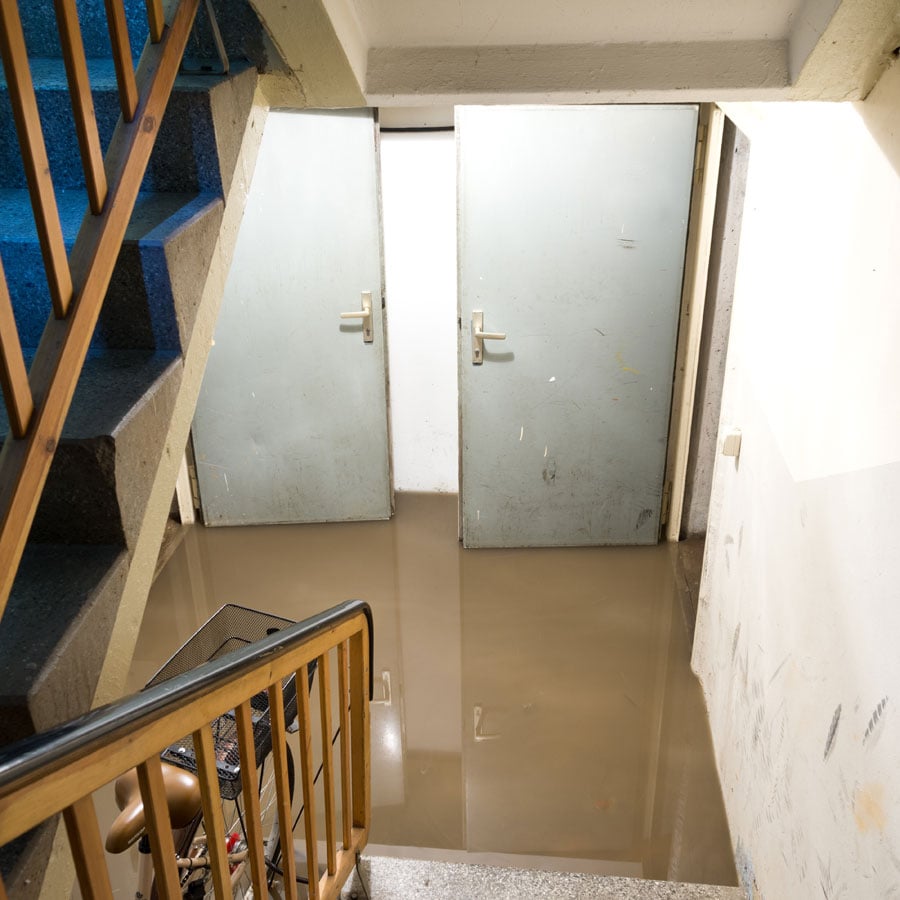
Water may also flow down staircases, under door frames, or find its way into basements. Storage spaces, file rooms, or employee locker areas are sometimes hit first, as these locations are used less often and might not get checked right away. If left alone, mold can start to grow, making the cleanup process even more complicated.
Stopping the Damage from Getting Worse
The sooner cleanup starts after a sprinkler overflow, the better chance we have of keeping the damage from spreading or turning into something worse.
- Mold is a big risk when water sits for more than a day or two. Warm spring temperatures combined with standing water provide the perfect conditions for it to grow.
- Water near electrical outlets, switch plates, or along baseboards is especially dangerous. These areas need to be fully dry before they’re safe again.
- Tape off or block the parts of the building that were hit to help keep everyone out until drying is finished. That prevents more damage from foot traffic and lets air circulation work better.
Even if the space looks dry, materials like insulation or hardwood may still hold moisture below the surface. That’s why cleanup isn’t just about towels or fans. It has to go deeper.
Professional water restoration services use drying equipment, like dehumidifiers and powerful air movers, which take moisture out of the air and structure. They also use special meters to check if floors and walls are truly dry on the inside. If moisture lingers, mold and odor can return later even after the top layer feels dry. It’s safer to trust a full inspection and a step-by-step drying plan.
It helps to take pictures and write down what was affected right away. Staying organized and remembering when the water was found makes it easier for the cleanup process and any insurance claims, if needed.
Getting Ready for Drier Days Ahead
Overflow problems from sprinkler systems are often avoidable. As we move toward summer, regular sprinkler checks can save a lot of time and stress.
- Make sure heads aren’t cracked and that they’re pointed away from buildings or windows.
- Check the schedule timer to be sure it’s working and not set too long or too often.
- Be aware after a system test or repair, as even small changes can cause drips or leaks later.
Getting help early makes a big difference, especially when the damage isn’t obvious. We often find that water has settled under flooring or inside walls where people didn’t think to look. Taking action now means less risk later. People who pay attention to sprinkler systems and dry things off quickly often stop big problems from growing. When sprinkler overflows in Torrance create unexpected trouble, a fast and informed response can help stop water damage from getting much worse as the season heats up.
Notice signs of sprinkler overflow or hidden leaks? Water spreads fast and can soak deeper than it appears, especially under rugs, floors, and baseboards. Fast cleanup matters when it comes to stopping further water damage in Torrance. At Restoration Masters, we’re ready to help check, dry, and restore your space before mold or lasting problems occur. Contact us to get started.