
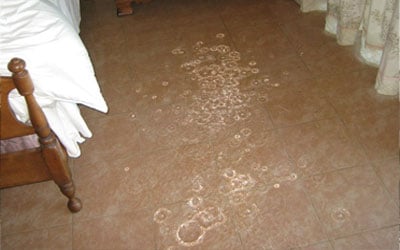
Early summer in Santa Monica can bring unexpected trouble as high tides creep in faster than people expect. When tidal swells combine with the right wind, water often spills past the usual shoreline and moves toward businesses and homes near the beach. It might look like a quick splash, but that water can slip under doors, soak through cracks, and settle into lower levels before anyone has time to react.
During these warm months, when everything feels calm, that’s when it hits hardest. That’s why learning about Santa Monica water damage restoration ahead of time can make a real difference. Since these floods don’t come with much warning, understanding how water affects buildings, and how to respond, helps protect what matters most.
What High Tide Flooding Looks Like in Santa Monica
Every year around the early summer, tides around Santa Monica shift a bit higher than normal. This doesn’t always mean rushing waves. Sometimes, it’s a slow rise that creeps up across sidewalks, parking lots, and ground-level rooms without much noise. That kind of quiet flooding is easy to miss until it’s already made its way inside.
Low-lying streets and areas just a few blocks from the shore are most at risk. Water sneaks in through:
- Garage entrances or basement doors
- Gaps underneath older doors and windows
- Cracks along concrete or between walls and patios
What makes this worse is the wind. A strong onshore breeze can push water even farther inland, cutting down dry space and increasing the speed of flooding. It can feel sudden, even though it was building for hours.
Hidden Problems Water Leaves Behind
Once floodwater shows up, the biggest worries aren’t always what you can see. Yes, soaked rugs, floors, and ruined boxes are frustrating, but the bigger issues could be hiding just below the surface.
- Standing puddles settle into baseboards, subflooring, and seams in furniture
- Walls absorb moisture from the bottom up, holding water trapped behind them
- Rooms may begin to smell musty or show stains days after drying
That water can linger. Even when it looks clean, it changes the feel of dry parts in the room. Humidity builds, helping mold grow quietly. If fabric items or cardboard boxes were nearby, they can hold that dampness longer than you realize, spreading odors into other rooms.
Why a Professional Dry-Out Plan Matters
A proper dry-out doesn’t just stop at mopping floors or airing things out. It means finding water in the places people miss and drying them before lasting damage sets in.
We usually bring in a few tools to help with that:
- Air movers to keep the air flowing and speed up drying
- Moisture detection gear to check behind walls, under tiles, or inside wood flooring
- Dehumidifiers to pull lingering dampness out of the air
Having a plan speeds up the process and helps us know what’s safe to save. Without it, moisture might stay stuck inside the walls or under furniture, weakening floors or making mold more likely. With every step, we focus on protecting things that can be kept and identifying anything that needs more attention.
Getting Back to Normal After a Flood
After the water’s been handled, there’s still plenty to check. Just drying surfaces isn’t enough. We take a careful look at what got soaked, what materials were nearby, and how deep the water may have gone.
In each space, we move room by room and check these:
- Which areas had standing water for more than a few minutes
- Where materials touch the ground, like wooden table legs or shelving
- Whether drywall or wall trim has started bubbling, discolored, or feels soft
Buildings aren’t just open floors. There are wires, vents, and hidden corners that need a check too. Once we’ve gone through everything, we work to make those areas feel safe again, not just dry on the surface, but solid enough to use without worry.
Staying Ready for the Next High Tide
Since high tide flooding happens more than once during the season, it helps to be ready. The good part is that small steps can make that easier. Paying attention to nearby water levels or checking tide trackers during warm weeks lets us plan a little better.
Here are a few simple habits that help:
- Move more delicate items off floors, especially near doors or low windows
- Keep an eye on the shoreline and keep entryways clear during heavy swells
- Raise up rugs, electronics, or floor-level storage when tides are expected to rise
Staying aware doesn’t mean being alarmed. It just means watching the patterns and knowing how fast water tends to move when winds pick up. When you know where the weak spots are, whether that’s a sunken stairwell or a corner near the patio, you can act fast when tides run high.
A Smart Step for a Safer Summer
Santa Monica’s summer beauty can come with rising water. When tides shift, and warm breezes carry water beyond the usual edge of the beach, buildings close to the shoreline can get caught off guard. It doesn’t take much for water to slip in, which means being early with cleanup lowers the chances of bigger problems later.
Knowing about Santa Monica water damage restoration gives property owners a way to stay ahead of these seasonal shifts. The more we understand how water moves and where it hides, the better we can protect our spaces. A little planning now means feeling more prepared and a lot less stressed when the tides roll in again.
When summer tides rise in Santa Monica, even a small wave can quietly seep into your space and create unexpected challenges. Staying ahead of the season means recognizing early signs of water damage and acting quickly. At Restoration Masters, our team is prepared to inspect deeper areas, dry out hidden spots, and keep your property protected all season. For trusted Santa Monica water damage restoration, we’re ready to help. Contact us today to get started.