
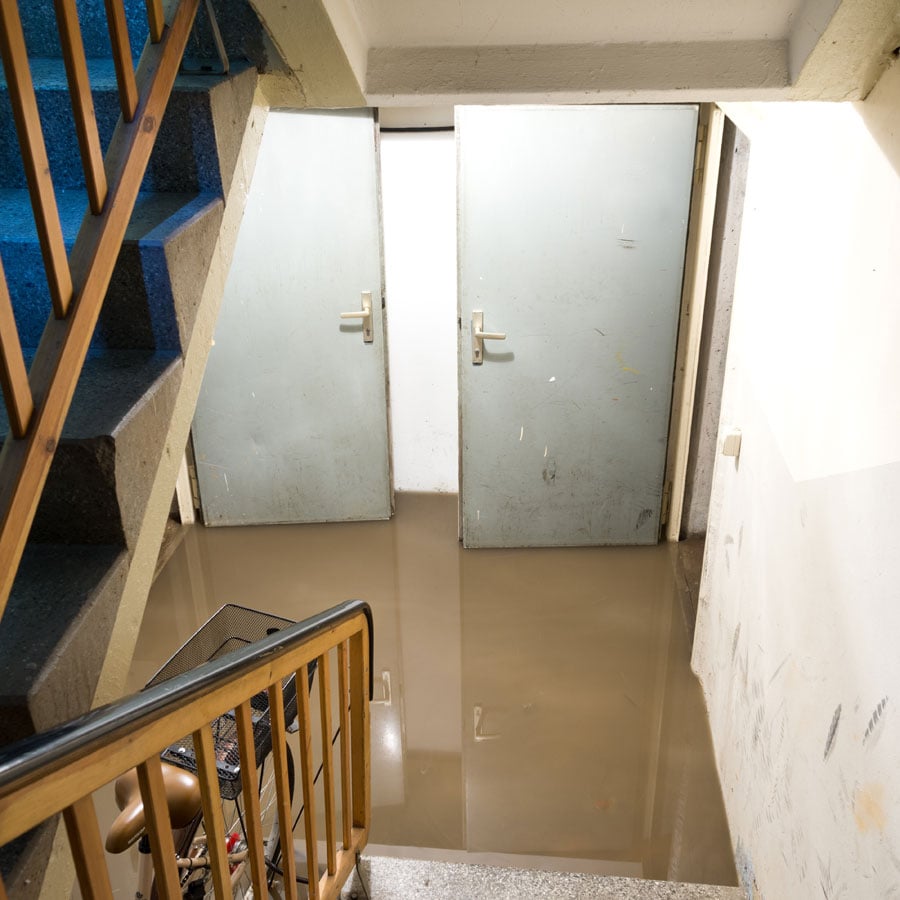
Basement water trouble in Los Angeles often catches people off guard. While we don’t think of LA as a city full of rainstorms, basement flooding and damp spots still show up, especially in late spring and early summer. June is an ideal time to take a closer look and start water restoration before those small problems become bigger ones.
Water restoration in Los Angeles helps return a basement to a dry, clean space by removing leftover water and moisture, cleaning up affected areas, and stopping further damage before it spreads. Acting early matters, especially as outside heat starts to rise and makes basement conditions even trickier to manage naturally.
Why Basements in Los Angeles Are Prone to Water Problems
Los Angeles may not be known for heavy rainfall, but basement moisture issues happen more often than people expect. In many homes, water seeps in from the ground, especially when the water table shifts during seasonal changes. Sprinkler runoff, broken pipes, or even faulty drainage can also cause dampness below ground level.
Many houses in LA were built decades ago, and back then, builders didn’t have the same tools for waterproofing. Basement walls may have cracks, gaps, or poor insulation, especially in older buildings. Homes along hillsides or slopes are even more vulnerable since water tends to press and filter down along those grades.
June brings hot days that dry out the surface above ground, but underneath, that trapped moisture stays behind. Without airflow or sun exposure, basements can’t dry on their own, and heat can actually lock moisture in deeper. That’s when real problems can start. Basement air may begin to feel humid and thick as the season progresses, and this trapped humidity can even affect things stored in boxes or on shelves.
Another reason why these problems persist is that basements in Los Angeles are often used for storage rather than as living spaces. This means minor leaks or patches of dampness might not be noticed right away. Valuable items, keepsakes, and seasonal clothing can quietly soak up water long before visible signs appear. By the time someone smells something odd or notices a warped floor, the dampness has often spread further than expected.
Signs That It’s Time to Start Water Restoration
Not all water damage is easy to spot, especially in quiet corners of a basement that don’t get much use. We recommend checking for:
- A musty or stale smell coming from stored boxes or hard-to-reach areas
- Patches of paint peeling or bubbling along walls or columns
- Damp spots or discolored flooring, especially near edges and corners
- Warped baseboards, soft wood panels, or spots that feel spongy underfoot
- Visible dampness near pipes, drains, or under shelves
Even if a basement seems mostly dry, June heat can cause hidden pockets of moisture to spread into walls, insulation, and flooring materials. That can lead to mold growth, weakened structure, or damage to personal items stored nearby. It doesn’t take long for something small to grow into something serious. Catching the signs early keeps repairs simpler.
Another sign is finding rust on metal items stored near the floor, like shelving supports or metal boxes. Rust develops more quickly in damp, humid environments and is often a clue that water is lingering. In addition, white, powdery deposits known as efflorescence may appear on masonry or concrete surfaces. These deposits show that water is wicking through the wall or floor and drying out after reaching the surface.
Pay attention as well to persistent insects like silverfish or pill bugs which are attracted to moisture and may appear more often when the basement is damp. Sometimes, unexpected coolness in certain areas, or floors that feel colder than others, may indicate that moisture is at work even if it cannot be seen.
Why Timing Matters More Than You Think
Waiting too long during the summer months can lead to damage that’s harder to undo. LA’s late June heat brings more than sunny skies. It adds pressure to anything already damp or unstable in a basement, especially if moisture is sealed behind paint or under flooring.
By this point in the season, natural drying becomes unreliable. Doors and windows downstairs tend to stay closed, and the thicker walls that once kept things cool now trap humidity inside. That environment makes it difficult for leftover water to escape, even in small amounts.
If water is allowed to stay, wood may swell and warp, leading to structural changes. Left unchecked, paint and wall coverings may loosen or discolor. Flooring, both carpet and hardwood, is easily affected by moisture and can harbor bacteria and odors when not dried properly.
Timing is everything. Starting water restoration in Los Angeles basements before those first hot weeks of summer allows us to dry things the right way from the beginning. That means less chance of hidden damp spots and more protection for everything stored or built in that space.
By acting quickly, you help ensure the basement remains part of your home’s healthy and usable space, not just a storage room prone to constant problems. Restoration at the right moment prevents repairs from costing more and stops problems from spreading to adjoining rooms.
What Happens During Water Restoration
Fixing a moisture problem isn’t just about wiping up water or aiming a fan at the floor. Water restoration follows a careful process that finds everything wet, dries it correctly, and keeps it from coming back.
- We check for moisture using special tools that reach below surfaces and behind walls
- We pull out water using pumps or vacuums made to handle both puddles and soaked materials
- Air movers and dehumidifiers run to pull moisture from walls, carpets, and air space
- Surfaces are cleaned and treated to stop mold and keep air safe
- We check for signs of deeper damage to drywall, insulation, or wood that might require attention
In some cases, sections of drywall or insulation may need to be removed or replaced, especially when they cannot be safely dried. If wooden beams or joists are found to be damp, drying equipment is sometimes left in place for several days to make sure everything is completely restored before repairs continue. Furniture, boxes, and stored items are examined as well, since they may harbor pockets of moisture and become sources of musty smells if not treated.
Trying to fix it alone over time can feel like a guessing game. Drying only the surface often leaves pockets of wetness behind that grow into bigger problems. A full step-by-step process works better, gives more peace of mind, and cuts out delays.
Regular monitoring with moisture meters is part of the process to ensure that all affected areas are dry. This step is crucial for preventing future mold or fungus and for making sure no areas are missed before everything is put back in place.
Getting Ahead of Summer Basement Trouble
June in Los Angeles can feel hot and dry on the surface, but that doesn’t always match what’s going on down below. Even after spring ends, water left behind from rain, leaks, or yard runoff can remain trapped inside basement walls or below flooring. And once July rolls in, the temperature spike makes it much harder for that hidden water to dry on its own.
The good news is that small issues caught in late June are still manageable. By staying alert to smells, soft spots, or changes in surface texture, we can catch warning signs early and help prevent the need for more repairs down the line. When we move quickly, we help protect the home’s original structure and avoid larger fixes in the hottest months to come. Starting now means fewer surprises later and a more stable, dry basement through July and August.
If your basement is used as a living area, home gym, or playroom, these early steps go even further toward protecting your family and property. Basements with furnishings or built-in cabinets can be harder to check, so a thorough walkthrough with a checklist can help spot concerns. Being proactive with regular inspections helps ensure a healthy and usable space for everyone in the household.
When your basement starts to feel damp, taking swift action can help you avoid bigger issues down the line. At Restoration Masters, we know that subtle warning signs like soft floors or musty odors often mean moisture is lurking where you can’t see it. Our expert team makes water restoration in Los Angeles straightforward, restoring your peace of mind and helping protect your home before summer heat makes matters worse. Reach out today and let us help you create a safer, drier space for your belongings and family.